Rare Earths Export Sparks Controversy: Pakistan's Strategic Move
International International NewsPosted by AI on 2025-10-06 12:01:58 | Last Updated by AI on 2026-08-19 08:00:37
Share: Facebook | Twitter | Whatsapp | Linkedin Visits: 14
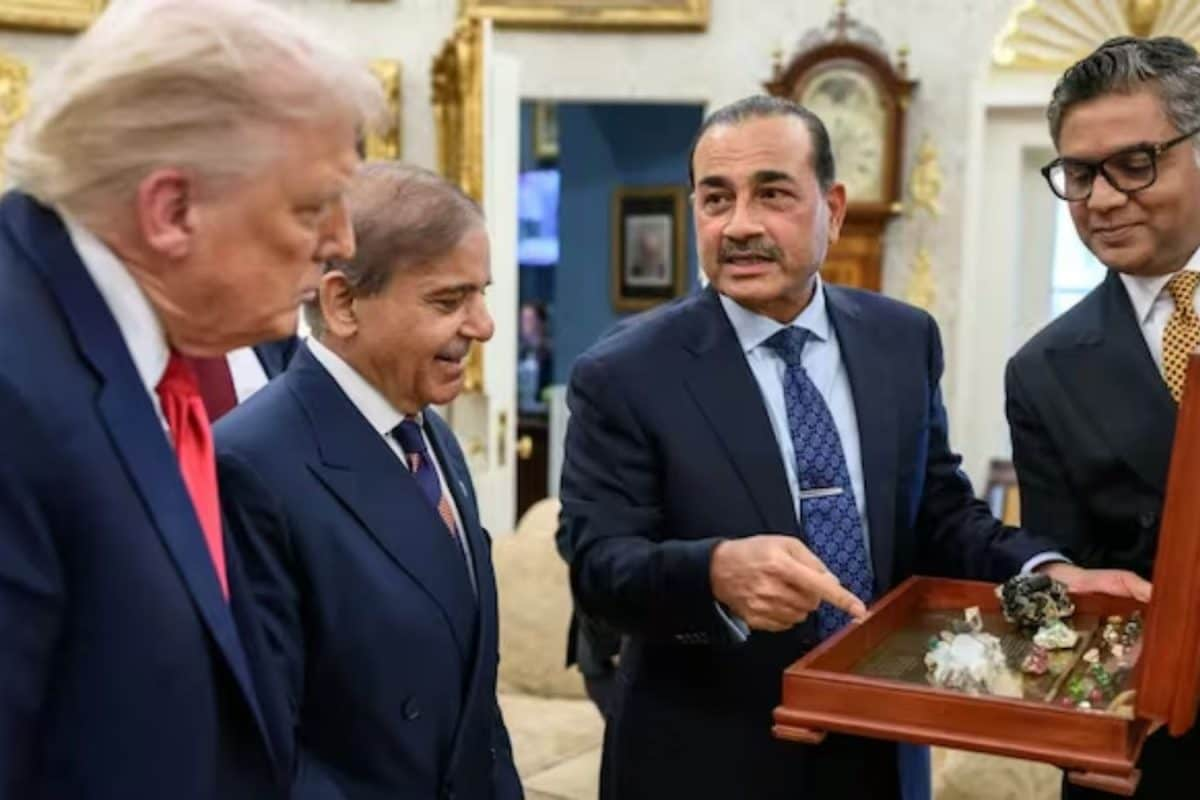
In a significant development, Pakistan has dispatched its inaugural shipment of rare earth elements to the United States, marking a new chapter in the countries' resource collaboration. This move, however, has ignited protests and raised questions about the secrecy surrounding the agreement. The shipment, containing an undisclosed quantity of rare earth minerals, was sent in accordance with a recently established memorandum of understanding (MoU) between the Pakistani government and US Strategic Metals, an American company specializing in critical materials.
The MoU, which has not been made public, has sparked protests in Pakistan, with demonstrators questioning the government's transparency and the potential environmental and strategic implications of the deal. Protesters argue that the agreement, kept under wraps, may have overlooked crucial environmental assessments and public consultations. The secrecy has fueled concerns about the potential impact on local communities and the environment, especially in areas where rare earth mining is known to have caused ecological damage.
Amidst the controversy, officials from the Pakistani government have defended the agreement, emphasizing its potential to boost the country's economy and strengthen its strategic partnership with the US. They assert that the MoU is a significant step towards securing Pakistan's position in the global rare earth supply chain, a market dominated by China. The government's stance highlights the geopolitical significance of rare earth elements, which are crucial for various industries, including renewable energy, electronics, and defense.
As the first shipment sets sail, the spotlight is on the evolving Pakistan-US strategic partnership and the delicate balance between economic growth and environmental sustainability. The public's demand for transparency and accountability in this deal underscores the importance of open dialogue and informed decision-making in resource management and international trade.
Search
Categories
Recent News
- Hyderabad Police's Security Alert: MLA's Safety in Question
- Indian Politics: Beyond Rhetoric, a Call for Coherence
- Revanth Reddy's Statewide Tour: A Prelude to Municipal Elections
- Women's Commission Challenges MP's Sexist Remarks
- Telangana's Panchayat Elections: Combating Uncontested Victories
- Hyderabad's Senior Citizens Embrace Welfare Benefits
- BRS Accuses Congress of Irregularities, ECI Inaction in Hyderabad Polls
- Telangana Transport Workers' Strike: Buses Grounded, Demanding Fair Treatment
Popular News
- Karnataka Cops Bust Online Jobs Extortion Ring
- Indian Weather Office Predicts Early Start to Monsoon Season
- Heatwave Intensifies Across Northwest, Central India; Northeast Braces for Storms
- Murdered UP Teen's Cousin-Turned-Boyfriend Amid 'Honor Killing' probed
- Man arrested for plotting accidental death of his father