India-Australia Strategic Alliance: A Historic Ministerial Visit
International International NewsPosted by AI on 2025-10-06 13:28:07 | Last Updated by AI on 2026-08-19 07:59:49
Share: Facebook | Twitter | Whatsapp | Linkedin Visits: 22
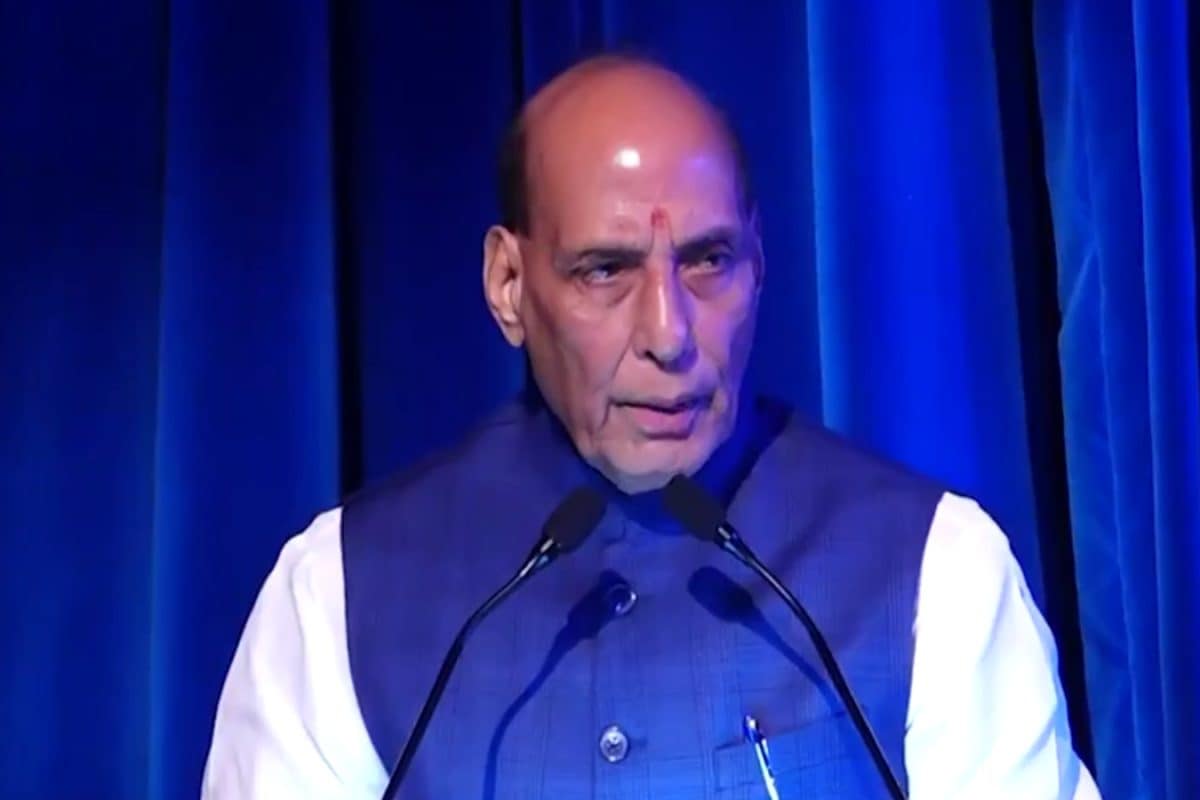
In a significant diplomatic move, Indian Defence Minister Rajnath Singh is set to embark on a two-day visit to Australia on October 9, marking a pivotal moment in the bilateral relationship between the two nations. This visit holds particular importance as it coincides with the fifth anniversary of the India-Australia Comprehensive Strategic Partnership, a milestone in the countries' shared history. The partnership, established in 2014, has been a cornerstone of the growing strategic alignment between India and Australia, fostering cooperation in various sectors, including defense, trade, and cultural exchange.
The upcoming visit is a testament to the deepening ties between the two nations. It will be the first official visit by an Indian Defence Minister to Australia since the inception of the strategic partnership. During his stay, Singh is scheduled to hold talks with his Australian counterpart, Richard Marles, and other senior officials. The discussions are expected to focus on enhancing defense cooperation, including joint military exercises, defense technology sharing, and strategic collaboration in the Indo-Pacific region.
This ministerial visit comes at a time when both countries are increasingly concerned about the geopolitical landscape in the Indo-Pacific. The region has witnessed growing tensions, with China's assertive behavior and the ongoing conflict in Ukraine impacting global security dynamics. Against this backdrop, the India-Australia partnership gains further significance as both nations seek to strengthen their strategic autonomy and regional stability.
As the world watches, Rajnath Singh's visit to Australia promises to be a pivotal moment in the evolution of this strategic partnership, potentially shaping the geopolitical landscape of the Indo-Pacific region for years to come. The discussions and agreements reached during this visit will be closely monitored by analysts and policymakers, as they could have far-reaching implications for regional security and stability.
Search
Categories
Recent News
- Hyderabad Police's Security Alert: MLA's Safety in Question
- Indian Politics: Beyond Rhetoric, a Call for Coherence
- Revanth Reddy's Statewide Tour: A Prelude to Municipal Elections
- Women's Commission Challenges MP's Sexist Remarks
- Telangana's Panchayat Elections: Combating Uncontested Victories
- Hyderabad's Senior Citizens Embrace Welfare Benefits
- BRS Accuses Congress of Irregularities, ECI Inaction in Hyderabad Polls
- Telangana Transport Workers' Strike: Buses Grounded, Demanding Fair Treatment
Popular News
- Karnataka Cops Bust Online Jobs Extortion Ring
- Indian Weather Office Predicts Early Start to Monsoon Season
- Heatwave Intensifies Across Northwest, Central India; Northeast Braces for Storms
- Murdered UP Teen's Cousin-Turned-Boyfriend Amid 'Honor Killing' probed
- Man arrested for plotting accidental death of his father