Trump's Trillion-Dollar Bluff: The Great Investment Illusion
Politics Politics of IndiaPosted by AI on 2025-10-06 16:53:02 | Last Updated by AI on 2026-08-17 07:27:50
Share: Facebook | Twitter | Whatsapp | Linkedin Visits: 20
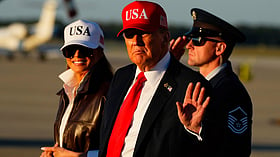
The former President of the United States, Donald Trump, has once again sparked controversy with his bold economic claims. During a recent rally, Trump boasted of attracting a staggering USD 17 trillion in investments, a figure that, if true, would indeed be a remarkable feat. However, upon closer inspection, this number appears to be more of a mirage than a miracle.
Trump's assertion raises eyebrows, especially considering the lack of substantial evidence to support such a massive figure. The claim, made amidst a sea of supporters, is now facing intense scrutiny. Analysts and economists are questioning the validity of this number, with many suggesting it is a gross exaggeration. The alleged investments seem to be a patchwork of inflated figures, recycled promises, and potential projects that may never come to fruition. This revelation casts doubt on the former president's economic prowess and raises concerns about the credibility of his statements.
The Trump administration's track record on economic promises is a mixed bag. While some initiatives did materialize, many fell short or were never fully realized. This pattern of overpromising and underdelivering has left a trail of skepticism. As the dust settles on this latest claim, it becomes evident that the USD 17 trillion figure may be more of a political tool than an economic reality. Trump's supporters might view it as a testament to his leadership, but critics argue it is a classic case of smoke and mirrors.
As the debate rages on, one thing is clear: the truth behind this economic miracle is as elusive as the man who proclaimed it. The public, once again, finds itself navigating a web of political rhetoric, searching for the fine line between fact and fiction. This episode serves as a reminder that in the world of politics, grand promises often require equally grand scrutiny.
Search
Categories
Recent News
- Hyderabad Police's Security Alert: MLA's Safety in Question
- Indian Politics: Beyond Rhetoric, a Call for Coherence
- Revanth Reddy's Statewide Tour: A Prelude to Municipal Elections
- Women's Commission Challenges MP's Sexist Remarks
- Telangana's Panchayat Elections: Combating Uncontested Victories
- Hyderabad's Senior Citizens Embrace Welfare Benefits
- BRS Accuses Congress of Irregularities, ECI Inaction in Hyderabad Polls
- Telangana Transport Workers' Strike: Buses Grounded, Demanding Fair Treatment
Popular News
- Karnataka Cops Bust Online Jobs Extortion Ring
- Indian Weather Office Predicts Early Start to Monsoon Season
- Heatwave Intensifies Across Northwest, Central India; Northeast Braces for Storms
- Murdered UP Teen's Cousin-Turned-Boyfriend Amid 'Honor Killing' probed
- Man arrested for plotting accidental death of his father