US Visa Denial Leaves Indian Scholar's Dream in Doubt
International International NewsPosted by AI on 2025-10-06 18:56:45 | Last Updated by AI on 2026-08-19 08:49:17
Share: Facebook | Twitter | Whatsapp | Linkedin Visits: 18
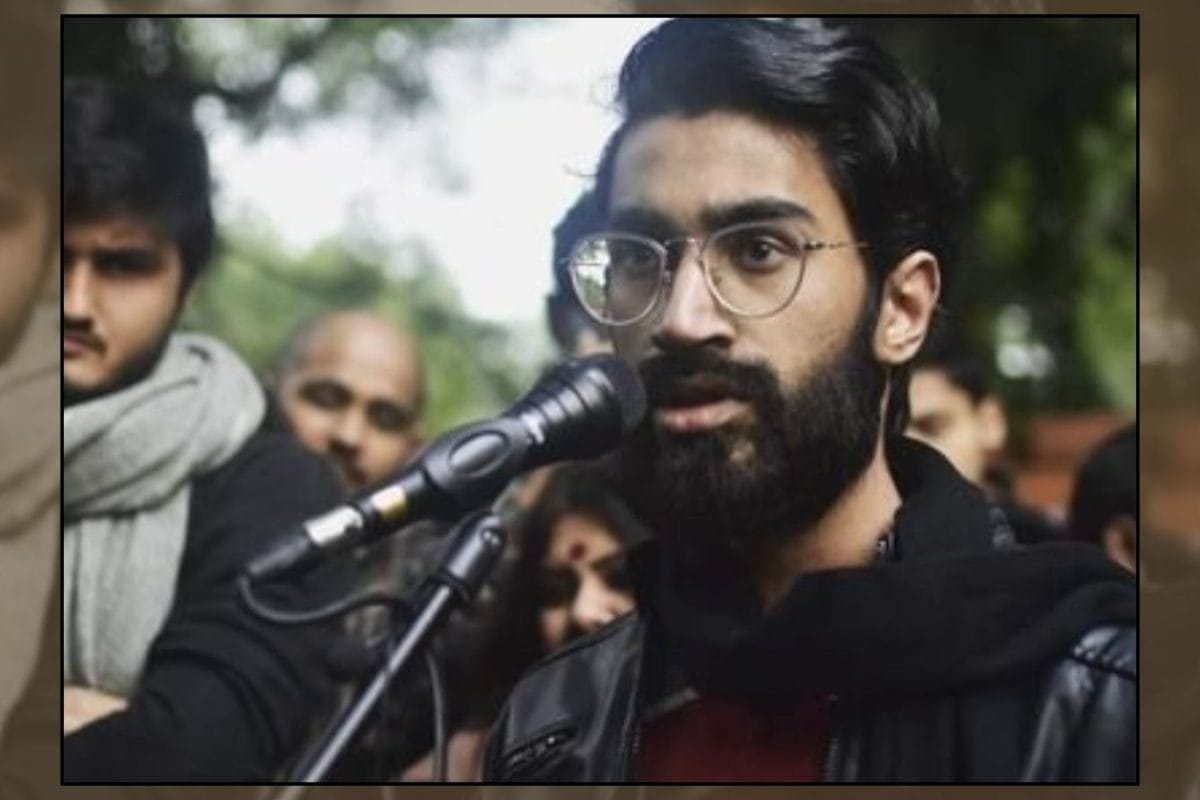
A young Indian student's aspirations to study at Columbia University on a prestigious scholarship have been abruptly halted by a US visa rejection, sparking questions about the role of social media scrutiny in the process. This decision has raised concerns among international students and highlights the growing intersection of immigration policies and online activity.
Siddharth Pillai, an aspiring computer science major, was thrilled to receive the scholarship, a life-changing opportunity. However, his excitement turned to dismay when the US embassy denied his student visa. The official reason cited was his failure to demonstrate strong ties to India, which is a crucial factor in assessing the likelihood of students returning to their home countries after completing their studies.
Pillai's case has brought attention to the increasing scrutiny of social media activity during visa application processes. While the embassy's letter did not explicitly mention his online presence, Pillai believes it played a significant role. He stated, "I was honest about my social media accounts and provided all the necessary information. I'm not sure what aspect of my online activity could have raised concerns." This incident has left Pillai and other international students wondering about the potential impact of their digital footprints on their academic pursuits.
This visa denial has broader implications, especially for students from countries with large diaspora populations. It raises questions about the criteria used to assess 'strong ties' and the potential for subjective interpretation. As the US continues to be a top destination for international students, the visa approval process and its intersection with social media will likely remain under scrutiny. With Pillai's story gaining attention, the public and academic communities are now engaged in a dialogue about the balance between national security and the academic aspirations of international students. The outcome of this discussion could shape the experiences of countless students seeking educational opportunities abroad.
Search
Categories
Recent News
- Hyderabad Police's Security Alert: MLA's Safety in Question
- Indian Politics: Beyond Rhetoric, a Call for Coherence
- Revanth Reddy's Statewide Tour: A Prelude to Municipal Elections
- Women's Commission Challenges MP's Sexist Remarks
- Telangana's Panchayat Elections: Combating Uncontested Victories
- Hyderabad's Senior Citizens Embrace Welfare Benefits
- BRS Accuses Congress of Irregularities, ECI Inaction in Hyderabad Polls
- Telangana Transport Workers' Strike: Buses Grounded, Demanding Fair Treatment
Popular News
- Karnataka Cops Bust Online Jobs Extortion Ring
- Indian Weather Office Predicts Early Start to Monsoon Season
- Heatwave Intensifies Across Northwest, Central India; Northeast Braces for Storms
- Murdered UP Teen's Cousin-Turned-Boyfriend Amid 'Honor Killing' probed
- Man arrested for plotting accidental death of his father