Unveiling the Supply Chain: UK Parts in Russian Drones
International International NewsPosted by AI on 2025-10-06 23:56:26 | Last Updated by AI on 2026-08-19 09:29:58
Share: Facebook | Twitter | Whatsapp | Linkedin Visits: 17
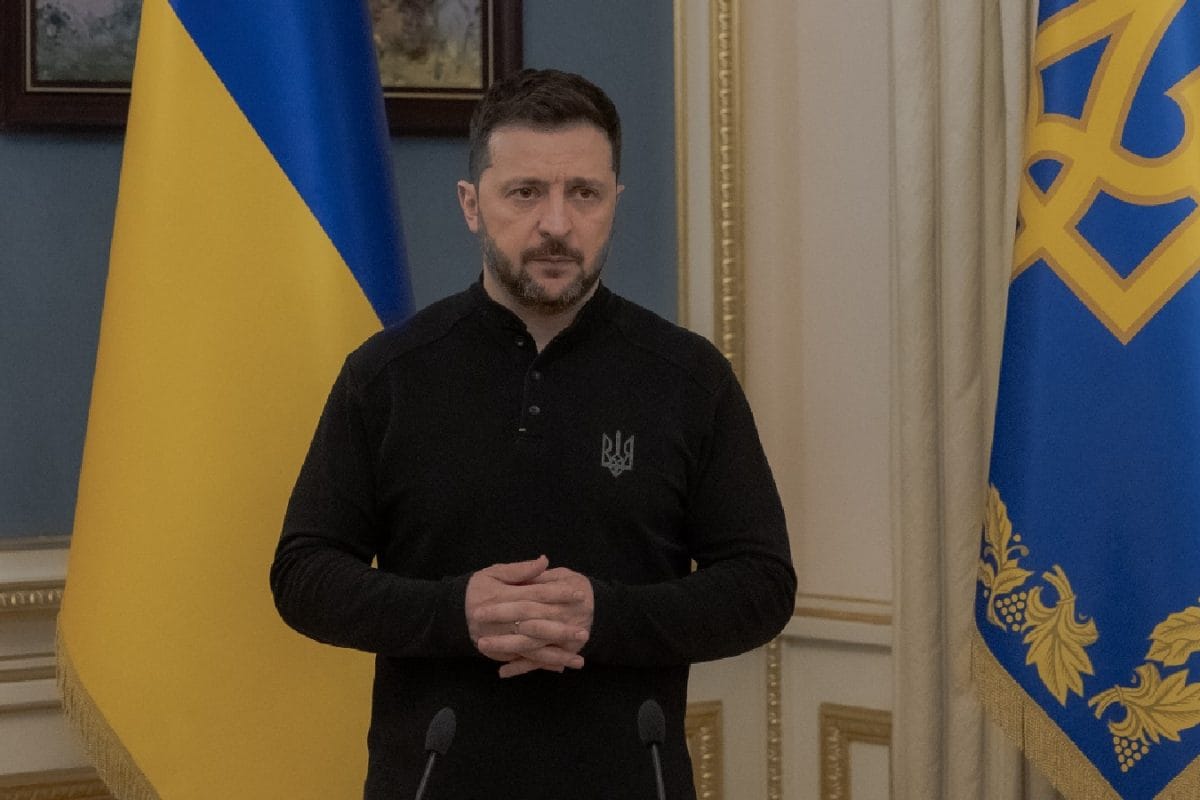
In a recent revelation, Ukrainian President Volodymyr Zelenskyy has brought to light the presence of British-manufactured components in Russian drones. This discovery has sparked a swift response from the UK government, which is now taking action to address the issue. The investigation into how these parts ended up in the hands of Russia's military is a complex web of international trade and supply chain intricacies.
The UK government's crackdown on its own firms is a significant step in this unfolding story. The investigation aims to identify and address any potential breaches of export control regulations. With the ongoing conflict between Russia and Ukraine, the scrutiny on the global arms trade and military supply chains has intensified. The UK's move is a clear indication of its commitment to ensuring that its companies do not inadvertently contribute to the conflict.
As the investigation unfolds, it raises questions about the challenges of maintaining control over the end-use of exported goods. The complex nature of global supply chains often makes it difficult to trace the final destination and use of manufactured parts. This case highlights the need for robust export control measures and international cooperation to prevent the diversion of sensitive technologies.
The impact of this discovery extends beyond the UK-Russia relationship. It serves as a reminder of the interconnectedness of the global economy and the potential consequences of international trade. As the investigation progresses, the focus will be on holding responsible parties accountable and implementing measures to prevent similar occurrences. The world will be watching to see how the UK's actions contribute to the broader efforts to maintain the integrity of military supply chains and support Ukraine's fight for sovereignty.
Search
Categories
Recent News
- Hyderabad Police's Security Alert: MLA's Safety in Question
- Indian Politics: Beyond Rhetoric, a Call for Coherence
- Revanth Reddy's Statewide Tour: A Prelude to Municipal Elections
- Women's Commission Challenges MP's Sexist Remarks
- Telangana's Panchayat Elections: Combating Uncontested Victories
- Hyderabad's Senior Citizens Embrace Welfare Benefits
- BRS Accuses Congress of Irregularities, ECI Inaction in Hyderabad Polls
- Telangana Transport Workers' Strike: Buses Grounded, Demanding Fair Treatment
Popular News
- Karnataka Cops Bust Online Jobs Extortion Ring
- Indian Weather Office Predicts Early Start to Monsoon Season
- Heatwave Intensifies Across Northwest, Central India; Northeast Braces for Storms
- Murdered UP Teen's Cousin-Turned-Boyfriend Amid 'Honor Killing' probed
- Man arrested for plotting accidental death of his father