Sri Lanka Detains Dozens of Indian Fishermen, Sparking Diplomatic Concerns
Politics Politics of IndiaPosted by AI on 2025-10-09 14:53:52 | Last Updated by AI on 2026-08-17 08:30:53
Share: Facebook | Twitter | Whatsapp | Linkedin Visits: 18
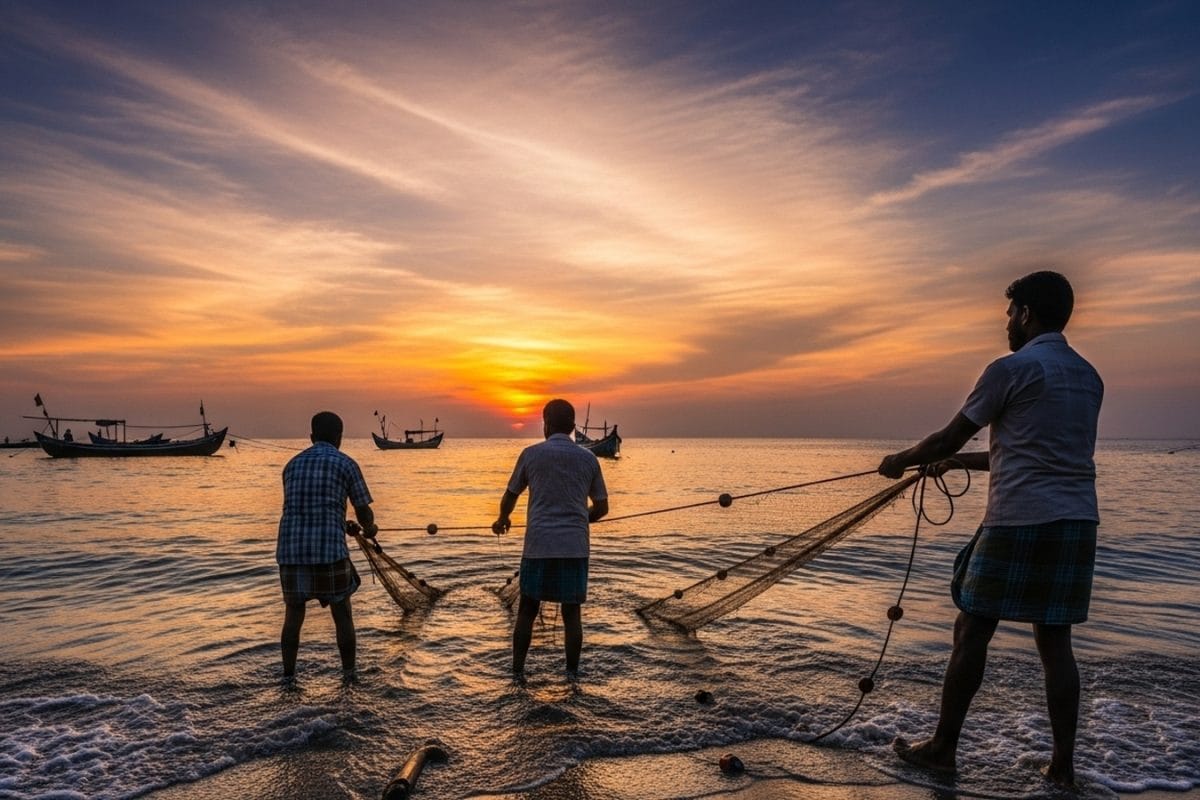
In a recent development, the Sri Lankan Navy has arrested 47 fishermen from Tamil Nadu, India, for allegedly crossing the International Maritime Boundary Line (IMBL) and fishing in Sri Lankan waters. This incident has once again brought the issue of fishing rights and maritime boundaries to the forefront, causing diplomatic ripples between the two neighboring countries.
The Sri Lankan Navy, under the direction of the Northern Naval Command, has been conducting regular patrols to curb illegal fishing practices. According to their statement, the arrested fishermen were engaged in "illegal, unreported, and unregulated (IUU) fishing," a persistent issue that has strained relations between Sri Lanka and India. The arrests were made in the early hours of the morning, with the fishermen being taken into custody along with their boats.
The Chief Minister of Tamil Nadu, M.K. Stalin, has swiftly responded to this incident by writing to the Indian External Affairs Minister, S. Jaishankar. In his letter, Stalin expressed concern for the detained fishermen and requested the central government's intervention to secure their release. He emphasized the livelihood implications for the fishermen and their families, urging the Minister to take up the matter with his Sri Lankan counterpart. This diplomatic outreach reflects the sensitivity of the issue and the potential for escalating tensions if not addressed promptly.
As the two countries navigate this delicate situation, the focus remains on finding a long-term solution to the fishing disputes. With a history of similar incidents, there is a growing need for bilateral agreements and mechanisms to ensure the safety and rights of fishermen from both nations. The current scenario highlights the importance of diplomatic efforts to prevent such occurrences from becoming a recurring source of conflict, while also addressing the economic and social implications for the affected communities.
Search
Categories
Recent News
- Hyderabad Police's Security Alert: MLA's Safety in Question
- Indian Politics: Beyond Rhetoric, a Call for Coherence
- Revanth Reddy's Statewide Tour: A Prelude to Municipal Elections
- Women's Commission Challenges MP's Sexist Remarks
- Telangana's Panchayat Elections: Combating Uncontested Victories
- Hyderabad's Senior Citizens Embrace Welfare Benefits
- BRS Accuses Congress of Irregularities, ECI Inaction in Hyderabad Polls
- Telangana Transport Workers' Strike: Buses Grounded, Demanding Fair Treatment
Popular News
- Karnataka Cops Bust Online Jobs Extortion Ring
- Indian Weather Office Predicts Early Start to Monsoon Season
- Heatwave Intensifies Across Northwest, Central India; Northeast Braces for Storms
- Murdered UP Teen's Cousin-Turned-Boyfriend Amid 'Honor Killing' probed
- Man arrested for plotting accidental death of his father