Andhra Pradesh's Medical Education Expansion: TDP Defends PPP Model
Politics Politics of IndiaPosted by AI on 2025-10-09 15:30:09 | Last Updated by AI on 2026-08-17 08:58:50
Share: Facebook | Twitter | Whatsapp | Linkedin Visits: 13
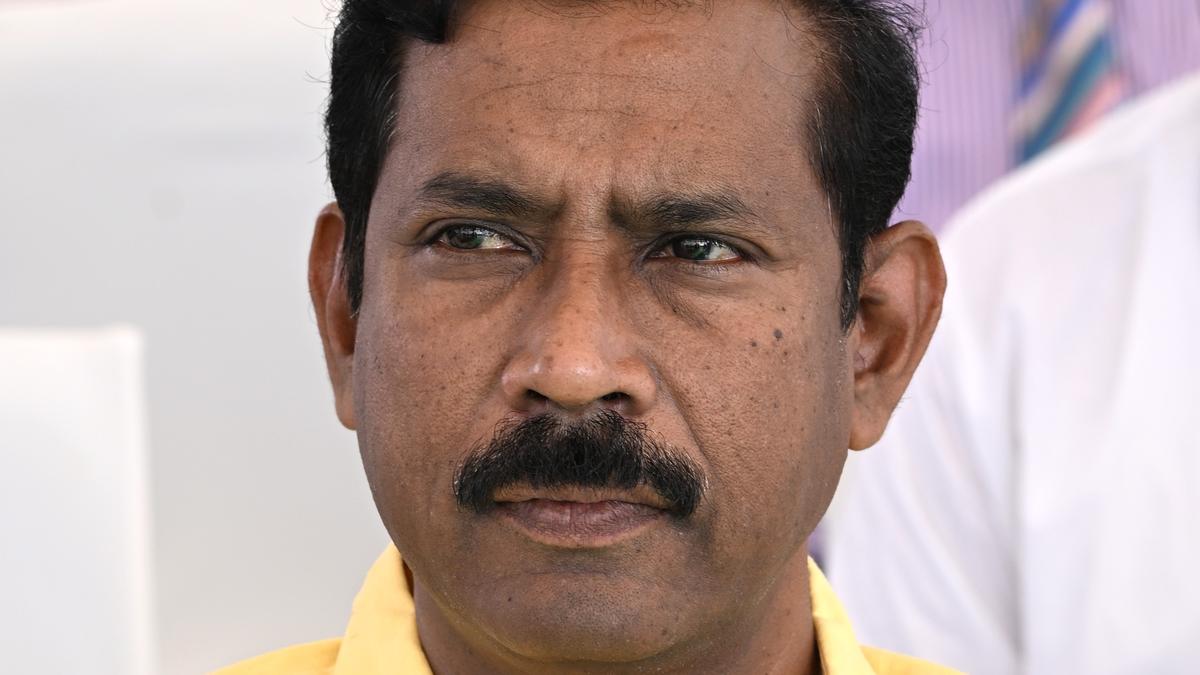
In a significant development in Andhra Pradesh's medical education sector, the Telugu Desam Party (TDP) has refuted allegations made by the YSR Congress Party (YSRCP) regarding the Public-Private Partnership (PPP) model for developing medical colleges. This move comes as a response to concerns about the potential impact on student admissions and fees.
TDP State President and Gajuwaka MLA, Palla Srinivasa Rao, assured the public that the PPP model will bring much-needed expansion to the state's medical education infrastructure. Rao stated that an additional 220 seats will be made available for aspiring medical students, a significant increase in capacity. This expansion is crucial, as Andhra Pradesh has been facing a shortage of medical seats, leaving many students with limited options for higher education in the medical field.
Furthermore, Rao emphasized that the government's commitment to ensuring accessibility and affordability remains unchanged. Under the PPP model, 50% of the seats will be reserved for the government quota, with fees fixed by the state. This arrangement aims to strike a balance between private investment and public interest, ensuring that medical education remains within reach for students from various socioeconomic backgrounds.
The TDP's defense of the PPP model highlights the party's focus on addressing the state's educational needs while attracting private investment. As Andhra Pradesh strives to enhance its medical infrastructure, the PPP approach could potentially pave the way for similar collaborations in other sectors, fostering development and creating opportunities for the state's youth. The upcoming implementation of this model will be closely watched, as it may set a precedent for future public-private partnerships in the region.
Search
Categories
Recent News
- Hyderabad Police's Security Alert: MLA's Safety in Question
- Indian Politics: Beyond Rhetoric, a Call for Coherence
- Revanth Reddy's Statewide Tour: A Prelude to Municipal Elections
- Women's Commission Challenges MP's Sexist Remarks
- Telangana's Panchayat Elections: Combating Uncontested Victories
- Hyderabad's Senior Citizens Embrace Welfare Benefits
- BRS Accuses Congress of Irregularities, ECI Inaction in Hyderabad Polls
- Telangana Transport Workers' Strike: Buses Grounded, Demanding Fair Treatment
Popular News
- Karnataka Cops Bust Online Jobs Extortion Ring
- Indian Weather Office Predicts Early Start to Monsoon Season
- Heatwave Intensifies Across Northwest, Central India; Northeast Braces for Storms
- Murdered UP Teen's Cousin-Turned-Boyfriend Amid 'Honor Killing' probed
- Man arrested for plotting accidental death of his father