BJP Leaders Attacked in West Bengal: Police Crackdown and Calls for Central Intervention
Politics Politics of IndiaPosted by AI on 2025-10-09 18:33:16 | Last Updated by AI on 2026-08-17 09:24:56
Share: Facebook | Twitter | Whatsapp | Linkedin Visits: 19
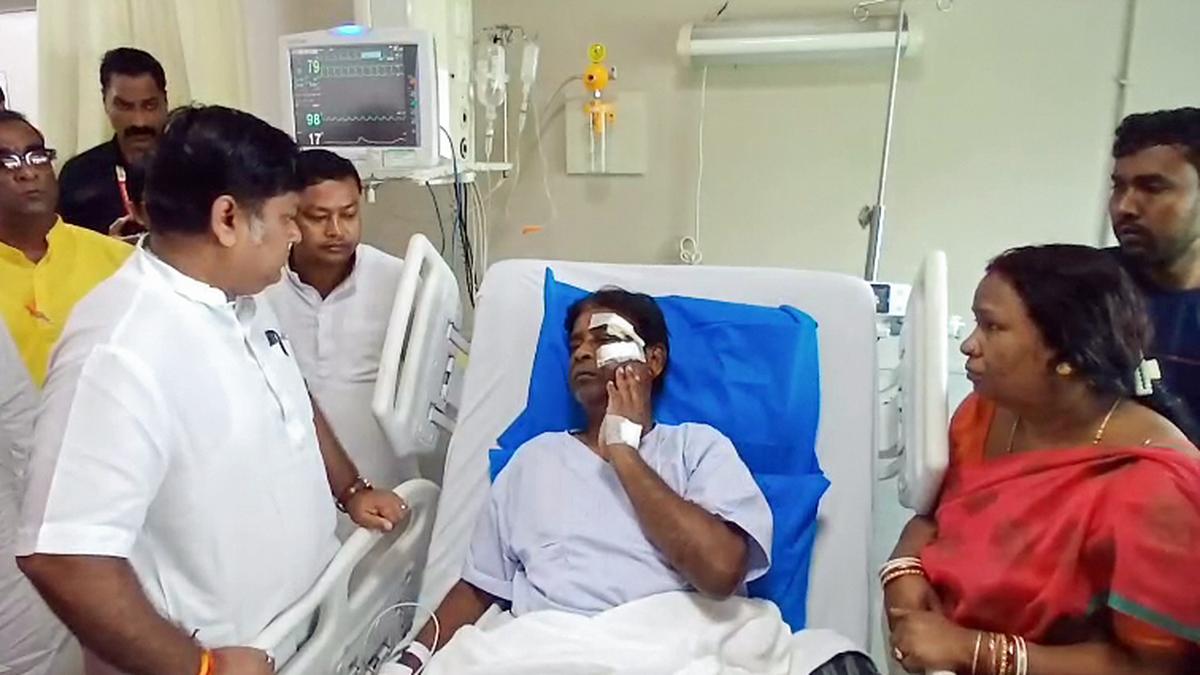
In a swift response to the recent assault on BJP leaders in Jalpaiguri, West Bengal, the local police have arrested five individuals, taking prompt action to address the escalating political tensions in the flood-affected region. The incident, which occurred during a visit by BJP MP John Barla and MLA Soumyadip Mullick to assess flood relief efforts, has sparked outrage and raised questions about the safety of political leaders in the state.
The attack, which took place on a bridge over the Teesta River, saw the BJP leaders' convoy being blocked and attacked by a group of people, resulting in injuries to several party workers and damage to vehicles. The incident has further intensified the political rivalry between the ruling Trinamool Congress (TMC) and the BJP in West Bengal. The BJP has accused the TMC of orchestrating the attack, alleging that it was a premeditated attempt to intimidate their leaders.
As the situation unfolds, two petitions have been filed in the Calcutta High Court, demanding a thorough investigation by central agencies. The petitioners argue that the attack is a serious breach of law and order and requires an impartial probe, given the sensitive political climate in the state. The court is yet to announce its decision on the matter, but the petitions have already fueled debates about the need for external intervention in West Bengal's political affairs.
With the arrests made and legal proceedings underway, the incident has become a focal point for discussions on political violence and the state's law enforcement capabilities. The swift police action is a positive step towards ensuring accountability, but the broader implications for West Bengal's political landscape remain to be seen, as the demand for central agency involvement suggests a growing concern over the state's ability to manage political conflicts impartially.
Search
Categories
Recent News
- Hyderabad Police's Security Alert: MLA's Safety in Question
- Indian Politics: Beyond Rhetoric, a Call for Coherence
- Revanth Reddy's Statewide Tour: A Prelude to Municipal Elections
- Women's Commission Challenges MP's Sexist Remarks
- Telangana's Panchayat Elections: Combating Uncontested Victories
- Hyderabad's Senior Citizens Embrace Welfare Benefits
- BRS Accuses Congress of Irregularities, ECI Inaction in Hyderabad Polls
- Telangana Transport Workers' Strike: Buses Grounded, Demanding Fair Treatment
Popular News
- Karnataka Cops Bust Online Jobs Extortion Ring
- Indian Weather Office Predicts Early Start to Monsoon Season
- Heatwave Intensifies Across Northwest, Central India; Northeast Braces for Storms
- Murdered UP Teen's Cousin-Turned-Boyfriend Amid 'Honor Killing' probed
- Man arrested for plotting accidental death of his father