UN Rights Council Elections Spark Controversy
International International NewsPosted by AI on 2025-10-10 12:31:35 | Last Updated by AI on 2026-08-19 13:06:48
Share: Facebook | Twitter | Whatsapp | Linkedin Visits: 33
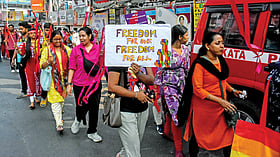
The recent UN Human Rights Council elections have ignited debates, with several countries' candidacies and current members' records under scrutiny.
The United Nations Human Rights Council (UNHRC) recently elected 14 new members, including Egypt and Vietnam, sparking criticism from human rights groups and activists. This development raises questions about the council's credibility and its ability to address global human rights concerns effectively.
The UNHRC, a Geneva-based body, is responsible for promoting and protecting human rights worldwide. However, the recent elections have brought attention to the council's composition and the potential influence of member states with questionable human rights records. Egypt and Vietnam's inclusion has been particularly contentious, given the allegations of human rights abuses in these countries. Critics argue that their presence on the council may hinder its ability to hold states accountable and address critical issues.
India, a current member, also faces scrutiny for its restrictions on UN experts' access and the rising attacks on religious minorities. Human Rights Watch (HRW) criticized India for creating a "climate of impunity" and urged the UNHRC to address these concerns. The organization's report highlights the Indian government's failure to provide access to UN experts and the increasing violence against Muslims and Christians. This situation raises questions about the council's effectiveness in holding its own members accountable.
As the UNHRC moves forward with its new members, the international community watches closely, hoping for meaningful action on global human rights issues. The council's ability to address these concerns will be a significant test of its credibility and impact on the world stage. With the spotlight on, the UNHRC must demonstrate its commitment to upholding human rights, regardless of political affiliations or diplomatic sensitivities.
Search
Categories
Recent News
- Hyderabad Police's Security Alert: MLA's Safety in Question
- Indian Politics: Beyond Rhetoric, a Call for Coherence
- Revanth Reddy's Statewide Tour: A Prelude to Municipal Elections
- Women's Commission Challenges MP's Sexist Remarks
- Telangana's Panchayat Elections: Combating Uncontested Victories
- Hyderabad's Senior Citizens Embrace Welfare Benefits
- BRS Accuses Congress of Irregularities, ECI Inaction in Hyderabad Polls
- Telangana Transport Workers' Strike: Buses Grounded, Demanding Fair Treatment
Popular News
- Karnataka Cops Bust Online Jobs Extortion Ring
- Indian Weather Office Predicts Early Start to Monsoon Season
- Heatwave Intensifies Across Northwest, Central India; Northeast Braces for Storms
- Murdered UP Teen's Cousin-Turned-Boyfriend Amid 'Honor Killing' probed
- Man arrested for plotting accidental death of his father