Hamas Rejects Blair's Role in Gaza's Future
International International NewsPosted by AI on 2025-10-10 19:07:53 | Last Updated by AI on 2026-08-19 13:07:17
Share: Facebook | Twitter | Whatsapp | Linkedin Visits: 13
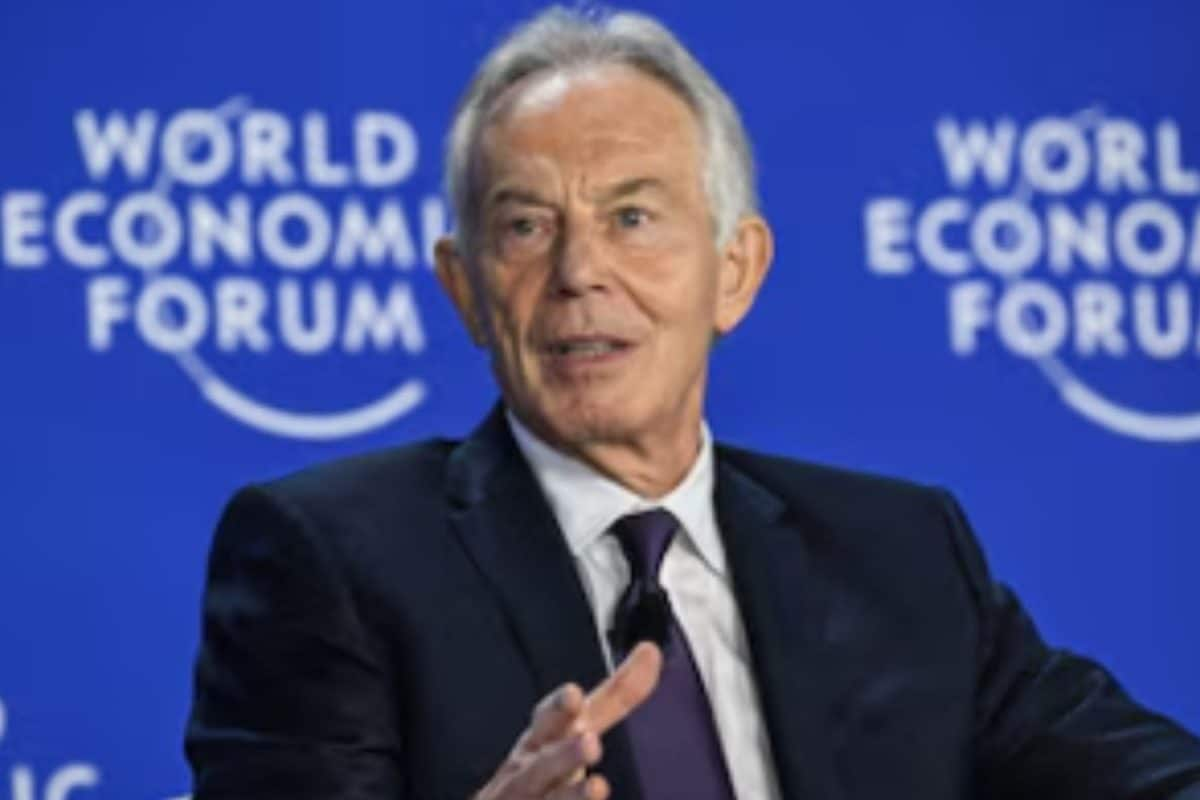
The recent Israel-Hamas ceasefire agreement has brought a temporary respite to the region, but the political landscape remains complex. In a surprising turn of events, Hamas, the Palestinian Islamic political organization, has praised US President Donald Trump's role in brooding the ceasefire while simultaneously rejecting former British Prime Minister Tony Blair's involvement in Gaza's post-war administration.
Hamas' spokesperson, Fawzi Barhoum, stated in a press release that "the role of Tony Blair in any future arrangements for Gaza is unacceptable." This declaration comes as a stark contrast to their acknowledgment of President Trump's efforts, which they described as "a positive step towards a lasting peace." The rejection of Blair's involvement stems from his past role as the Middle East Quartet's envoy, a position he held from 2007 to 2015. During his tenure, Blair faced criticism for his perceived bias towards Israel and his failure to significantly improve the situation in Gaza.
The Hamas leadership believes that Blair's previous actions and allegiances undermine his ability to be an impartial mediator in the region. They argue that his close ties with Israeli leaders and his support for the Israeli blockade on Gaza have contributed to the suffering of the Palestinian people. This sentiment is not isolated, as many Palestinians have long called for a more balanced approach to the Israeli-Palestinian conflict, accusing Blair of favoring Israeli interests.
With the ceasefire agreement in place, the focus now shifts to the long-term stability of the region. Hamas' rejection of Blair's involvement highlights the ongoing challenges in finding a mutually agreeable solution. As the international community works towards a sustainable peace deal, addressing the concerns and historical grievances of all parties involved will be crucial to achieving lasting peace in this volatile region.
Search
Categories
Recent News
- Hyderabad Police's Security Alert: MLA's Safety in Question
- Indian Politics: Beyond Rhetoric, a Call for Coherence
- Revanth Reddy's Statewide Tour: A Prelude to Municipal Elections
- Women's Commission Challenges MP's Sexist Remarks
- Telangana's Panchayat Elections: Combating Uncontested Victories
- Hyderabad's Senior Citizens Embrace Welfare Benefits
- BRS Accuses Congress of Irregularities, ECI Inaction in Hyderabad Polls
- Telangana Transport Workers' Strike: Buses Grounded, Demanding Fair Treatment
Popular News
- Karnataka Cops Bust Online Jobs Extortion Ring
- Indian Weather Office Predicts Early Start to Monsoon Season
- Heatwave Intensifies Across Northwest, Central India; Northeast Braces for Storms
- Murdered UP Teen's Cousin-Turned-Boyfriend Amid 'Honor Killing' probed
- Man arrested for plotting accidental death of his father