Trade War Escalates: China's Strategic Move Against US Tariffs
International International NewsPosted by AI on 2025-10-10 21:24:18 | Last Updated by AI on 2026-08-19 13:53:15
Share: Facebook | Twitter | Whatsapp | Linkedin Visits: 14
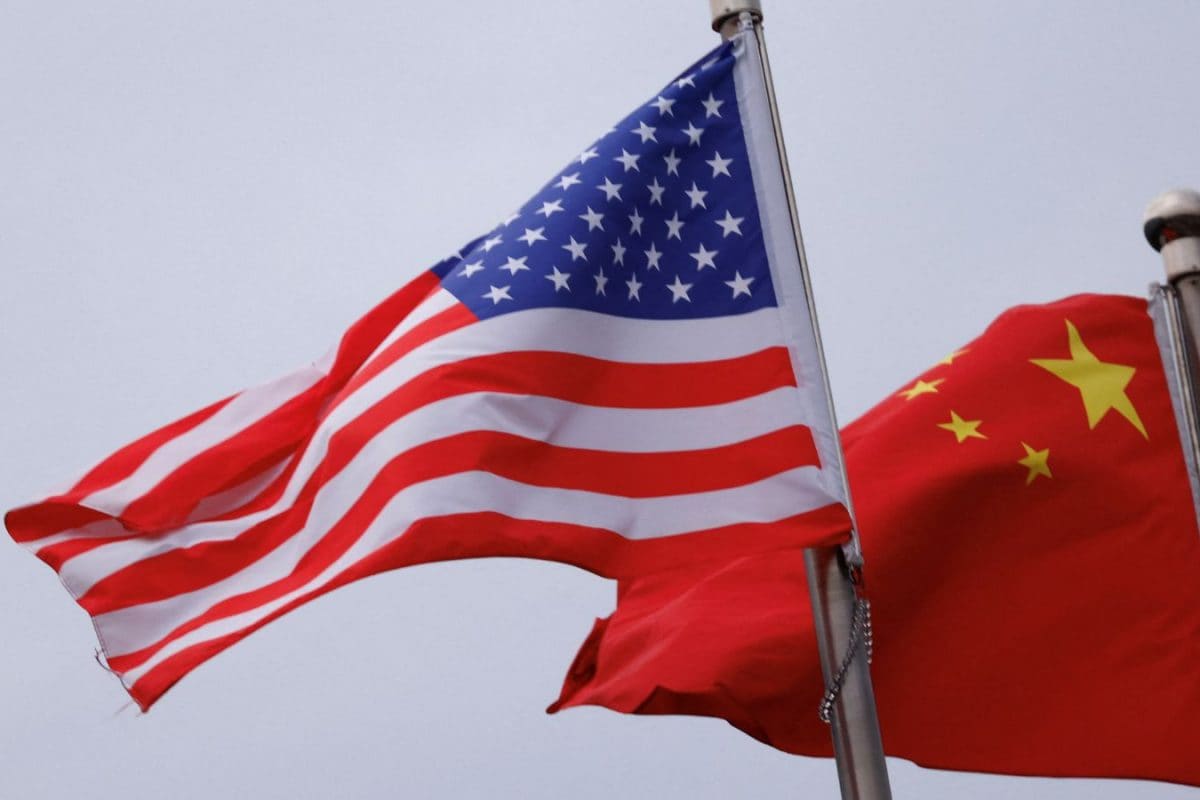
In a bold move, China has imposed additional port fees on US vessels and tightened export controls on rare earth materials, marking a significant escalation in the ongoing trade tensions between the two economic giants. This strategic response comes as a direct retaliation against the US's recent threats of imposing further tariffs on Chinese goods. The new measures are expected to impact US businesses and consumers, potentially causing a ripple effect across global supply chains.
The port fees, effective immediately, will apply to all US ships docking at major Chinese ports, including Shanghai and Guangzhou. This move is likely to increase operational costs for US companies heavily reliant on Chinese ports for trade, especially those in the technology and manufacturing sectors. The fees are seen as a targeted strategy to counter the US's aggressive tariff policies, which have already disrupted global trade flows.
Adding to the tension, China has also tightened its grip on rare earth exports, a critical resource for many high-tech industries. These materials are essential for the production of electronics, renewable energy technologies, and military equipment. By restricting access to these resources, China aims to leverage its dominant position in the rare earths market, forcing US companies to reconsider their supply chain strategies.
This latest development in the US-China trade war has sent shockwaves through global markets, causing uncertainty and potential disruptions. As the two superpowers continue to engage in a game of economic chess, businesses and consumers worldwide await the outcome, which could significantly impact the cost and availability of goods and services. With both sides showing no signs of backing down, the stage is set for further negotiations or potential retaliatory measures, leaving the world economy hanging in the balance.
Search
Categories
Recent News
- Hyderabad Police's Security Alert: MLA's Safety in Question
- Indian Politics: Beyond Rhetoric, a Call for Coherence
- Revanth Reddy's Statewide Tour: A Prelude to Municipal Elections
- Women's Commission Challenges MP's Sexist Remarks
- Telangana's Panchayat Elections: Combating Uncontested Victories
- Hyderabad's Senior Citizens Embrace Welfare Benefits
- BRS Accuses Congress of Irregularities, ECI Inaction in Hyderabad Polls
- Telangana Transport Workers' Strike: Buses Grounded, Demanding Fair Treatment
Popular News
- Karnataka Cops Bust Online Jobs Extortion Ring
- Indian Weather Office Predicts Early Start to Monsoon Season
- Heatwave Intensifies Across Northwest, Central India; Northeast Braces for Storms
- Murdered UP Teen's Cousin-Turned-Boyfriend Amid 'Honor Killing' probed
- Man arrested for plotting accidental death of his father