India's Taliban Diplomacy: A Step Back for Women's Rights
Politics Politics of IndiaPosted by AI on 2025-10-11 03:34:19 | Last Updated by AI on 2026-08-17 10:08:55
Share: Facebook | Twitter | Whatsapp | Linkedin Visits: 16
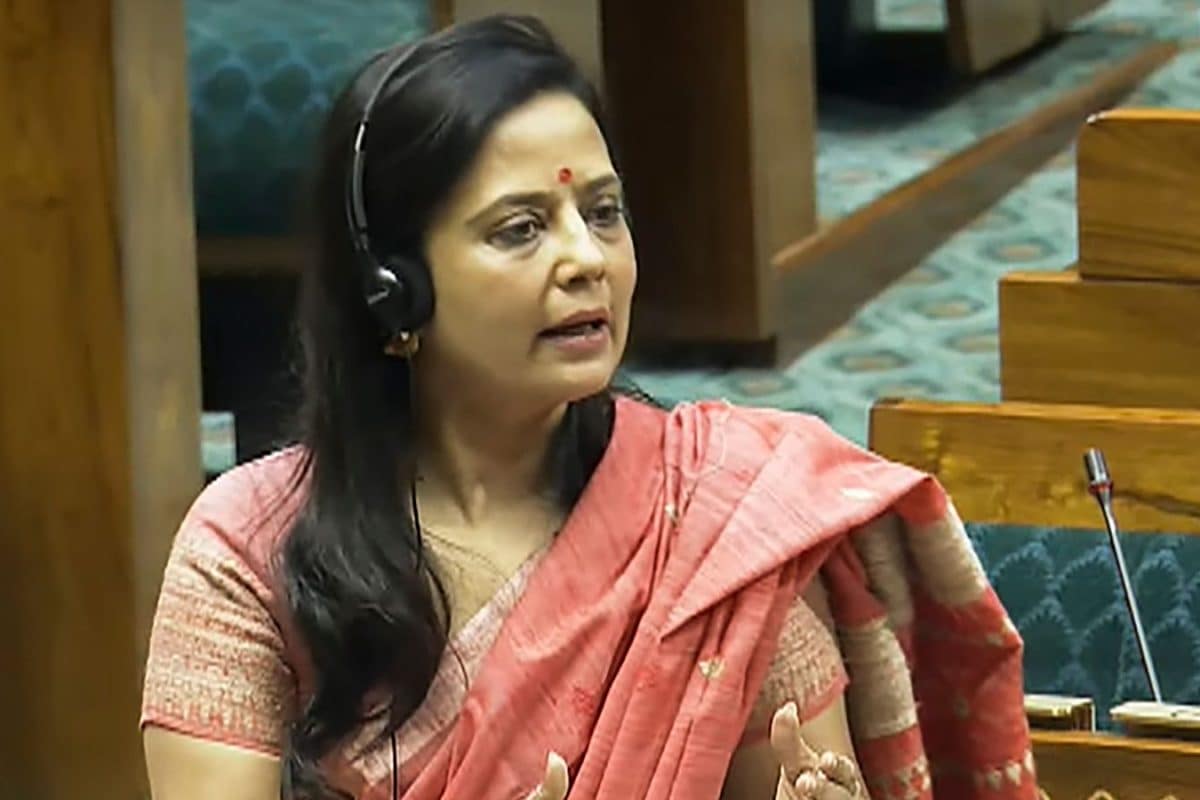
In a recent turn of events, India's diplomatic engagement with the Taliban has sparked controversy, raising questions about the country's commitment to gender equality. The controversy erupted when Taliban Foreign Minister Amir Khan Muttaqi, during his visit to New Delhi, held a press conference exclusively for male journalists, a move that has drawn sharp criticism from Indian politicians and women's rights activists.
Mahua Moitra, a prominent member of the Trinamool Congress (TMC), took to Twitter to express her outrage. She slammed the Indian government and External Affairs Minister S. Jaishankar for allowing such a discriminatory event to take place on Indian soil. Moitra's tweet, "How dare you, @DrSJaishankar? Taliban FM holds a male-only press meet in Delhi. Excluding women journalists. Is this the new normal for India?" has ignited a heated debate.
The incident has brought to light the complex challenges of engaging with the Taliban while upholding democratic values. While India's decision to host the Taliban FM is part of its strategic efforts to maintain regional stability and security, the exclusion of women journalists raises concerns about the country's stance on gender equality. This move contradicts India's long-standing commitment to empowering women and ensuring their equal participation in all spheres of life.
As the controversy unfolds, it remains to be seen how the Indian government will address this issue. The incident has already sparked protests and calls for accountability, with many demanding an explanation for this apparent setback in the fight for women's rights. The government's response will be crucial in determining the future trajectory of India's engagement with the Taliban and its commitment to promoting gender equality in both domestic and foreign policy.
Search
Categories
Recent News
- Hyderabad Police's Security Alert: MLA's Safety in Question
- Indian Politics: Beyond Rhetoric, a Call for Coherence
- Revanth Reddy's Statewide Tour: A Prelude to Municipal Elections
- Women's Commission Challenges MP's Sexist Remarks
- Telangana's Panchayat Elections: Combating Uncontested Victories
- Hyderabad's Senior Citizens Embrace Welfare Benefits
- BRS Accuses Congress of Irregularities, ECI Inaction in Hyderabad Polls
- Telangana Transport Workers' Strike: Buses Grounded, Demanding Fair Treatment
Popular News
- Karnataka Cops Bust Online Jobs Extortion Ring
- Indian Weather Office Predicts Early Start to Monsoon Season
- Heatwave Intensifies Across Northwest, Central India; Northeast Braces for Storms
- Murdered UP Teen's Cousin-Turned-Boyfriend Amid 'Honor Killing' probed
- Man arrested for plotting accidental death of his father