The Faith Factor: Ramaswamy's Candidacy Faces Religious Scrutiny
International International NewsPosted by AI on 2025-10-11 03:59:15 | Last Updated by AI on 2026-08-19 13:54:08
Share: Facebook | Twitter | Whatsapp | Linkedin Visits: 14
In the spotlight of the ongoing US presidential campaign, Republican candidate Vivek Ramaswamy's religious beliefs have become a topic of intense debate, particularly among a segment of American Christian nationalists. This group, known for their staunch advocacy of Christian leadership, has raised questions about Ramaswamy's faith, sparking a wave of online discussions and media attention.
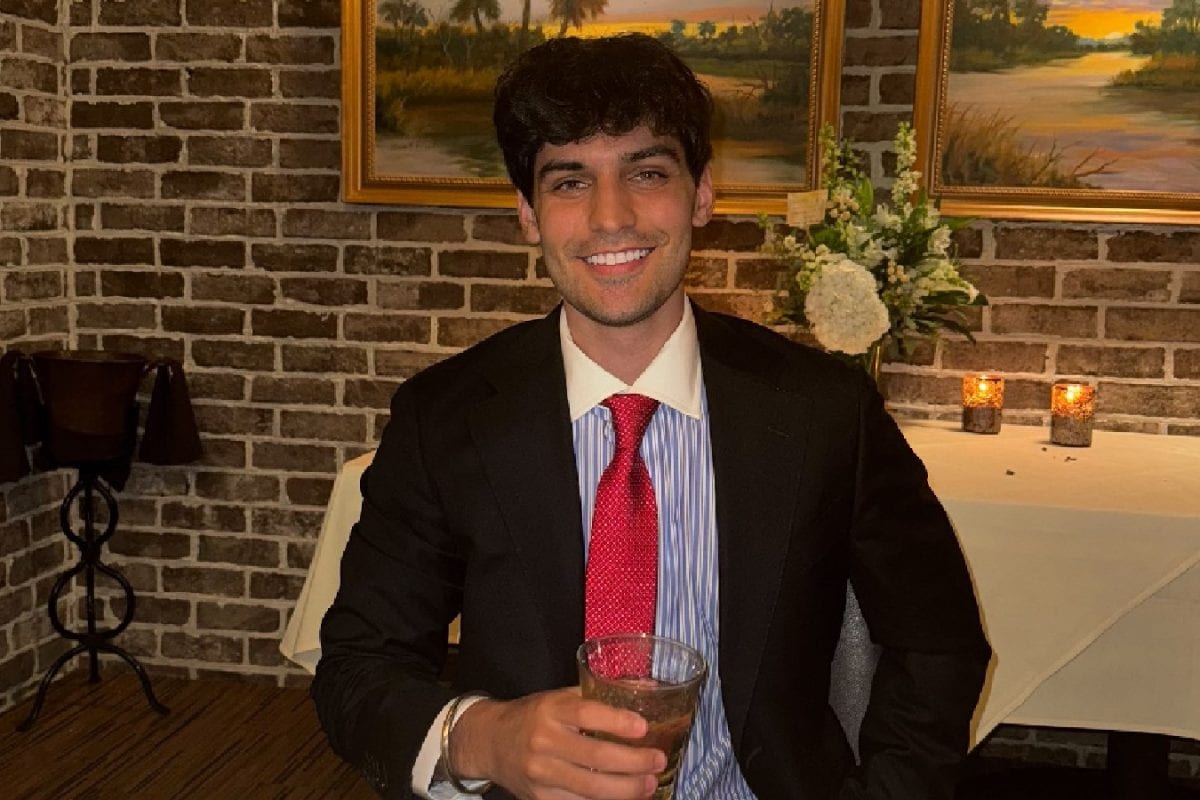
The scrutiny intensified when Nalin Haley, the son of former US Ambassador to the United Nations Nikki Haley, took to social media to address the issue. In a now-viral post, Nalin, who is half-Indian, expressed his support for Ramaswamy, stating, "Never denied I was half-Indian, and never will. Proud of my heritage and Vivek's candidacy." This bold statement not only affirmed his own cultural identity but also challenged the notion that a candidate's religious background should be a determining factor in their political career.
The post ignited a firestorm of reactions, with many applauding Nalin's stance while others criticized what they saw as a dismissal of faith-based concerns. The debate quickly spread across various online platforms, with users passionately arguing for and against the idea that religious affiliation should influence political leadership. This online discourse reflects a deeper societal divide, where the intersection of religion and politics continues to be a contentious issue.
As the presidential campaign progresses, Ramaswamy's candidacy will undoubtedly continue to face scrutiny on various fronts, including his religious beliefs. The public's response to Nalin Haley's statement highlights the diverse and passionate opinions surrounding this topic. This incident serves as a reminder that in the complex landscape of American politics, personal beliefs and cultural identities can become pivotal factors in shaping public perception and political discourse.
Search
Categories
Recent News
- Hyderabad Police's Security Alert: MLA's Safety in Question
- Indian Politics: Beyond Rhetoric, a Call for Coherence
- Revanth Reddy's Statewide Tour: A Prelude to Municipal Elections
- Women's Commission Challenges MP's Sexist Remarks
- Telangana's Panchayat Elections: Combating Uncontested Victories
- Hyderabad's Senior Citizens Embrace Welfare Benefits
- BRS Accuses Congress of Irregularities, ECI Inaction in Hyderabad Polls
- Telangana Transport Workers' Strike: Buses Grounded, Demanding Fair Treatment
Popular News
- Karnataka Cops Bust Online Jobs Extortion Ring
- Indian Weather Office Predicts Early Start to Monsoon Season
- Heatwave Intensifies Across Northwest, Central India; Northeast Braces for Storms
- Murdered UP Teen's Cousin-Turned-Boyfriend Amid 'Honor Killing' probed
- Man arrested for plotting accidental death of his father