Adani's Land Grab: A Quest for Dominance
International International NewsPosted by AI on 2025-10-11 10:16:58 | Last Updated by AI on 2026-08-19 14:44:25
Share: Facebook | Twitter | Whatsapp | Linkedin Visits: 13
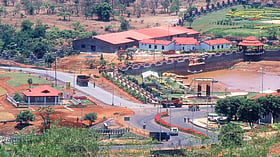
The Adani Group, an Indian multinational conglomerate, has been on an unprecedented land acquisition spree, sparking curiosity and concern among industry observers and the public alike. In recent years, the group has expanded its footprint across various sectors, including energy, infrastructure, and agriculture, but the sheer scale of its land acquisitions remains a closely guarded secret.
With a global presence spanning 50 countries, the Adani Group's rapid growth has been nothing short of remarkable. However, the lack of transparency regarding its land holdings raises questions about the potential environmental and social implications of such large-scale acquisitions. The group's diverse portfolio includes ports, power plants, renewable energy projects, and even food processing units, all of which require substantial land resources.
The exact extent of the Adani Group's land ownership is difficult to ascertain. While the group has been tight-lipped about its land assets, media reports and local sources offer some insights. It is estimated that the conglomerate has acquired millions of acres of land, particularly in India, where it has secured vast tracts for its ambitious projects. These acquisitions have often been shrouded in controversy, with allegations of forced evictions and environmental degradation.
As the Adani Group continues its expansion, the impact on local communities and ecosystems becomes a growing concern. The group's rapid land acquisitions have prompted calls for greater transparency and accountability. With its diverse business interests and global reach, the Adani Group's land holdings are a significant factor in its quest for dominance across multiple industries. The question remains: Can this rapid growth be sustained, and at what cost to the environment and local populations?
Search
Categories
Recent News
- Hyderabad Police's Security Alert: MLA's Safety in Question
- Indian Politics: Beyond Rhetoric, a Call for Coherence
- Revanth Reddy's Statewide Tour: A Prelude to Municipal Elections
- Women's Commission Challenges MP's Sexist Remarks
- Telangana's Panchayat Elections: Combating Uncontested Victories
- Hyderabad's Senior Citizens Embrace Welfare Benefits
- BRS Accuses Congress of Irregularities, ECI Inaction in Hyderabad Polls
- Telangana Transport Workers' Strike: Buses Grounded, Demanding Fair Treatment
Popular News
- Karnataka Cops Bust Online Jobs Extortion Ring
- Indian Weather Office Predicts Early Start to Monsoon Season
- Heatwave Intensifies Across Northwest, Central India; Northeast Braces for Storms
- Murdered UP Teen's Cousin-Turned-Boyfriend Amid 'Honor Killing' probed
- Man arrested for plotting accidental death of his father