Profiteering from Global Conflict: A Modern-Day Arms Race
International International NewsPosted by AI on 2025-10-11 11:46:36 | Last Updated by AI on 2026-08-19 15:35:29
Share: Facebook | Twitter | Whatsapp | Linkedin Visits: 11
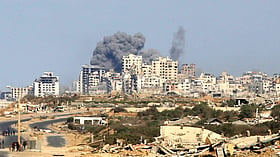
The global arms trade is booming, and the merchants of war are reaping unprecedented profits. While war has always been a profitable business for a select few, the current era is marked by an alarming surge in the scale and sophistication of this lucrative industry. With conflicts raging worldwide, from the Middle East to Eastern Europe, the demand for weapons and military technology has reached new heights, and the arms dealers are cashing in.
The numbers are staggering. According to the Stockholm International Peace Research Institute (SIPRI), global military expenditure reached an all-time high of $2.1 trillion in 2022, a 6.4% increase from the previous year. This massive spending fuels a complex network of arms manufacturers, brokers, and traders, who operate in the shadows, often with little oversight. The top five arms exportersthe United States, Russia, France, China, and Germanydominate the market, supplying weapons to various countries, many of which are embroiled in ongoing conflicts.
This modern-day arms race is not just about traditional weaponry. It has evolved to include advanced technologies such as cyber warfare tools, drones, and artificial intelligence. These innovations have revolutionized modern warfare, making it more precise and deadly. However, they have also created a new market for specialized equipment and expertise, further fueling the arms trade. As the world becomes increasingly interconnected, the arms trade has adapted, with online platforms and digital marketplaces facilitating transactions and connecting buyers and sellers across borders.
The consequences of this booming industry are far-reaching. While arms manufacturers and dealers profit, the human cost of war continues to rise. The unchecked proliferation of weapons contributes to prolonged conflicts, exacerbating humanitarian crises and destabilizing entire regions. As the world grapples with the devastating impact of war, the merchants of war remain largely unscathed, their profits shielded by complex legal frameworks and powerful lobby groups. This stark reality raises urgent questions about the regulation of the arms trade and the responsibility of nations to prevent the unchecked spread of weapons.
Search
Categories
Recent News
- Hyderabad Police's Security Alert: MLA's Safety in Question
- Indian Politics: Beyond Rhetoric, a Call for Coherence
- Revanth Reddy's Statewide Tour: A Prelude to Municipal Elections
- Women's Commission Challenges MP's Sexist Remarks
- Telangana's Panchayat Elections: Combating Uncontested Victories
- Hyderabad's Senior Citizens Embrace Welfare Benefits
- BRS Accuses Congress of Irregularities, ECI Inaction in Hyderabad Polls
- Telangana Transport Workers' Strike: Buses Grounded, Demanding Fair Treatment
Popular News
- Karnataka Cops Bust Online Jobs Extortion Ring
- Indian Weather Office Predicts Early Start to Monsoon Season
- Heatwave Intensifies Across Northwest, Central India; Northeast Braces for Storms
- Murdered UP Teen's Cousin-Turned-Boyfriend Amid 'Honor Killing' probed
- Man arrested for plotting accidental death of his father