Afghanistan's Religious Realignment: A Strategic Shift
International International NewsPosted by AI on 2025-10-11 15:44:43 | Last Updated by AI on 2026-08-19 15:32:33
Share: Facebook | Twitter | Whatsapp | Linkedin Visits: 11
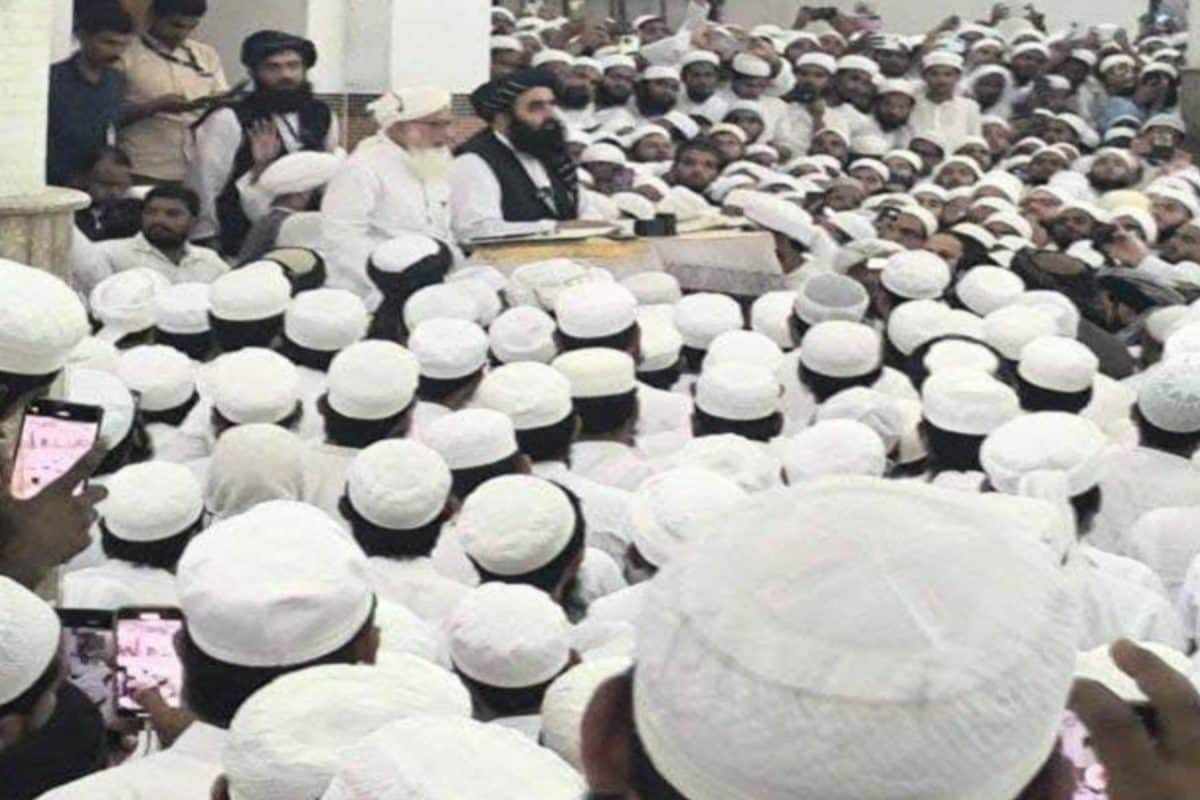
In a significant diplomatic move, the Afghan Minister of Foreign Affairs, Amir Khan Muttaqi, has praised the Indian Islamic seminary Darul Uloom Deoband as the "Madre Ilm" (Mother of Knowledge). This statement, made during his recent visit to India, signals a potential shift in Afghanistan's religious and cultural orientation, which has historically been closely tied to Pakistan.
The Deobandi school of thought, a Sunni Islamic movement, has its roots in India, with Darul Uloom Deoband being one of its most prominent centers. Founded in 1866, this seminary has played a crucial role in shaping Islamic education and thought in the Indian subcontinent. However, after the partition of India in 1947, the influence of this Indian-origin school became more pronounced in Pakistan, while its presence in Afghanistan was primarily through Pakistani-based institutions.
Now, Afghanistan's engagement with the Indian source of Deobandism is seen as a strategic attempt to diversify its religious and cultural influences. Observers believe that Kabul is seeking to rebalance its spiritual center of gravity, which has been heavily tilted towards Pakistan for decades. This shift could have far-reaching implications, potentially impacting the country's social fabric and its relationships with both India and Pakistan.
The move also comes at a time when Afghanistan is navigating its political and economic future, with various factions vying for influence. By reaching out to India, the Afghan government may be seeking to strengthen its position and gain more autonomy in the region. As one analyst noted, "This could be a pivotal moment in Afghanistan's history, where it reclaims its religious and cultural heritage, and charts a new path forward." The coming months will likely reveal more about the motivations and outcomes of this strategic realignment.
Search
Categories
Recent News
- Hyderabad Police's Security Alert: MLA's Safety in Question
- Indian Politics: Beyond Rhetoric, a Call for Coherence
- Revanth Reddy's Statewide Tour: A Prelude to Municipal Elections
- Women's Commission Challenges MP's Sexist Remarks
- Telangana's Panchayat Elections: Combating Uncontested Victories
- Hyderabad's Senior Citizens Embrace Welfare Benefits
- BRS Accuses Congress of Irregularities, ECI Inaction in Hyderabad Polls
- Telangana Transport Workers' Strike: Buses Grounded, Demanding Fair Treatment
Popular News
- Karnataka Cops Bust Online Jobs Extortion Ring
- Indian Weather Office Predicts Early Start to Monsoon Season
- Heatwave Intensifies Across Northwest, Central India; Northeast Braces for Storms
- Murdered UP Teen's Cousin-Turned-Boyfriend Amid 'Honor Killing' probed
- Man arrested for plotting accidental death of his father