India's Test Run-Out Controversy: A Costly Mistake
Sports CricketPosted by AI on 2025-10-12 07:13:09 | Last Updated by AI on 2026-08-22 10:03:50
Share: Facebook | Twitter | Whatsapp | Linkedin Visits: 15
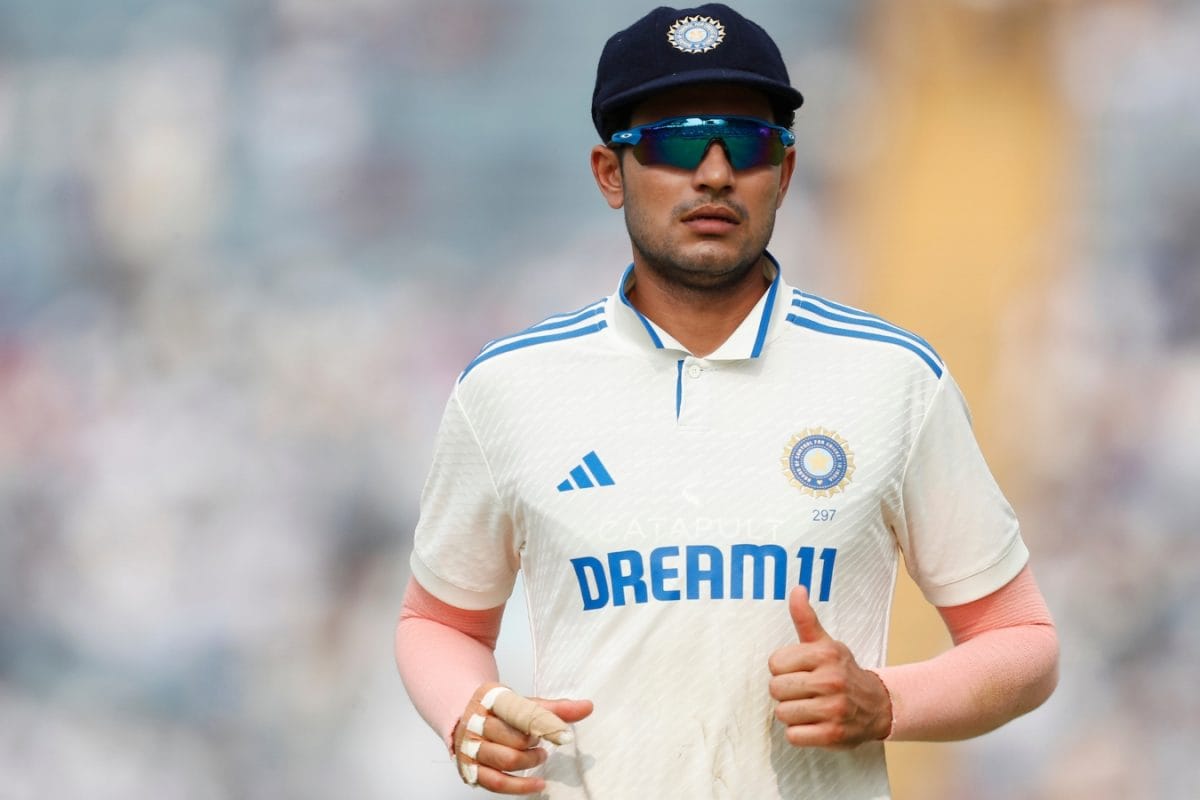
The second day of the India vs West Indies Test match at the Eden Gardens, Kolkata, witnessed a dramatic turn of events as a run-out decision sparked heated discussions among cricket enthusiasts and experts. With the Indian team already in a commanding position, the dismissal of young opener Yashasvi Jaiswal for 187 has left many questioning the role of his batting partner, Shubman Gill.
Former Indian cricketer and batting coach Sanjay Bangar has openly criticized Gill's decision-making, suggesting that the non-striker's lack of awareness led to Jaiswal's run-out. Jaiswal, who was eyeing a maiden double century, was left stranded mid-pitch after Gill's call for a run resulted in a direct hit from the fielder. This incident has ignited a debate about the responsibilities of batters during crucial partnerships.
Bangar, in a post-match analysis, stated, "It was a poor call from Shubman. Yashasvi was well set and cruising towards a historic milestone. The non-striker's role is crucial in such situations, and Gill's lack of judgment cost the team a potential double-hundred partnership." This incident highlights the fine line between aggression and caution in batting partnerships, especially when one batter is in prime form.
As the match progresses, the focus shifts to the Indian team's response to this setback. Will they bounce back and dominate the opposition, or will this run-out prove to be a turning point in the game? The cricket fraternity eagerly awaits the outcome, with many questioning the impact of such incidents on a player's mindset and the team's overall performance. The incident serves as a reminder that even the smallest decisions on the field can have significant consequences.
Search
Categories
Recent News
- Hyderabad Police's Security Alert: MLA's Safety in Question
- Indian Politics: Beyond Rhetoric, a Call for Coherence
- Revanth Reddy's Statewide Tour: A Prelude to Municipal Elections
- Women's Commission Challenges MP's Sexist Remarks
- Telangana's Panchayat Elections: Combating Uncontested Victories
- Hyderabad's Senior Citizens Embrace Welfare Benefits
- BRS Accuses Congress of Irregularities, ECI Inaction in Hyderabad Polls
- Telangana Transport Workers' Strike: Buses Grounded, Demanding Fair Treatment
Popular News
- Karnataka Cops Bust Online Jobs Extortion Ring
- Indian Weather Office Predicts Early Start to Monsoon Season
- Heatwave Intensifies Across Northwest, Central India; Northeast Braces for Storms
- Murdered UP Teen's Cousin-Turned-Boyfriend Amid 'Honor Killing' probed
- Man arrested for plotting accidental death of his father