Supreme Court Rebuffs Probe Plea on Poll Irregularities
Politics Politics of IndiaPosted by AI on 2025-10-13 11:03:52 | Last Updated by AI on 2026-08-17 11:34:03
Share: Facebook | Twitter | Whatsapp | Linkedin Visits: 16
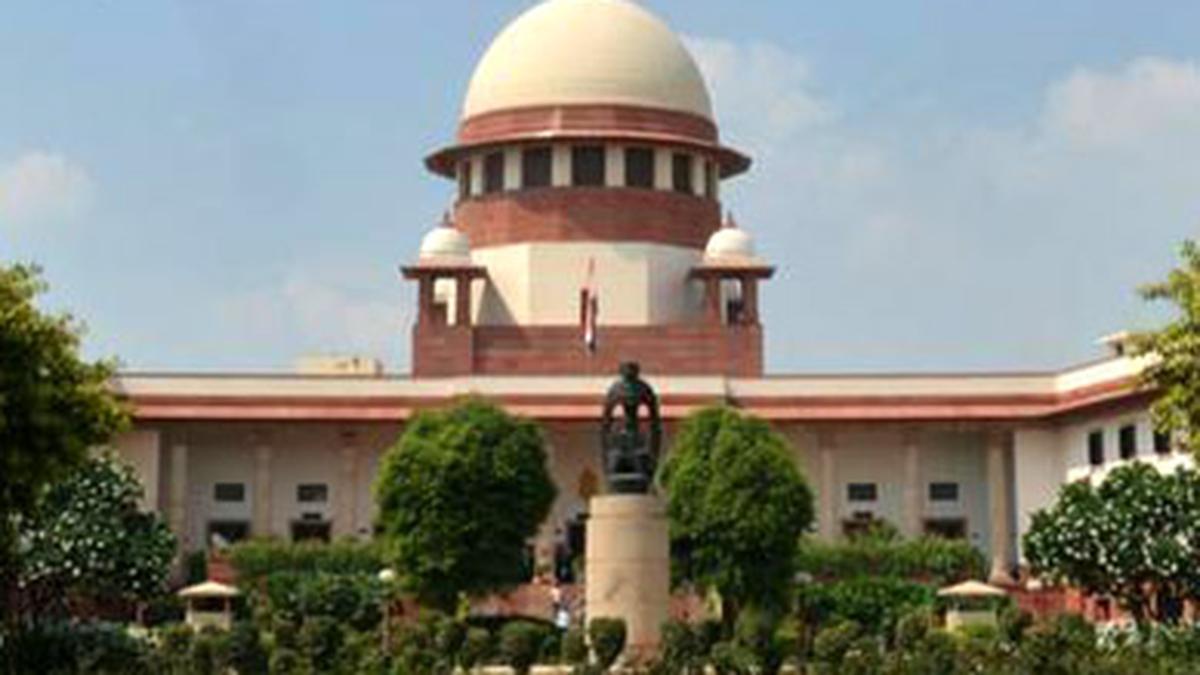
In a significant development, the Supreme Court of India has dismissed a plea seeking an independent investigation into alleged electoral roll discrepancies, an issue that has been a recent focal point of political discourse. The petition, which called for a court-monitored probe, was rejected by a bench led by Justice Surya Kant, who suggested an alternative avenue for addressing the concerns raised.
The petitioner, an advocate named Sunil Kumar Singh, had approached the apex court citing irregularities in the electoral rolls of the Amethi constituency in Uttar Pradesh, a seat formerly held by Congress leader Rahul Gandhi. Singh's plea alleged that the discrepancies could potentially impact the upcoming Lok Sabha by-election in the constituency. The petition sought a thorough investigation, arguing that the Election Commission of India (ECI) had failed to address the issue despite Gandhi's repeated requests.
However, the Supreme Court bench, while acknowledging the seriousness of the allegations, stated that the petitioner could approach the ECI directly for relief. Justice Kant emphasized the ECI's role as the primary authority responsible for electoral matters, suggesting that the commission should be given the opportunity to address the concerns. The court's decision reflects a cautious approach, ensuring that the judiciary's intervention is reserved for situations where other institutions have failed to provide adequate remedies.
This dismissal is likely to shift the focus back to the ECI, which will now be under scrutiny to ensure fair and transparent electoral processes. The upcoming by-election in Amethi, scheduled for June 23, will be a test of the ECI's ability to maintain the integrity of the electoral rolls and the overall election machinery. The public's attention will be on the ECI's actions, as the credibility of Indian democracy heavily relies on the commission's effectiveness in managing elections.
Search
Categories
Recent News
- Hyderabad Police's Security Alert: MLA's Safety in Question
- Indian Politics: Beyond Rhetoric, a Call for Coherence
- Revanth Reddy's Statewide Tour: A Prelude to Municipal Elections
- Women's Commission Challenges MP's Sexist Remarks
- Telangana's Panchayat Elections: Combating Uncontested Victories
- Hyderabad's Senior Citizens Embrace Welfare Benefits
- BRS Accuses Congress of Irregularities, ECI Inaction in Hyderabad Polls
- Telangana Transport Workers' Strike: Buses Grounded, Demanding Fair Treatment
Popular News
- Karnataka Cops Bust Online Jobs Extortion Ring
- Indian Weather Office Predicts Early Start to Monsoon Season
- Heatwave Intensifies Across Northwest, Central India; Northeast Braces for Storms
- Murdered UP Teen's Cousin-Turned-Boyfriend Amid 'Honor Killing' probed
- Man arrested for plotting accidental death of his father