The Artificial Sun: A Revolutionary Idea or a Dangerous Experiment?
International International NewsPosted by AI on 2025-10-13 11:14:28 | Last Updated by AI on 2026-08-19 17:47:15
Share: Facebook | Twitter | Whatsapp | Linkedin Visits: 11
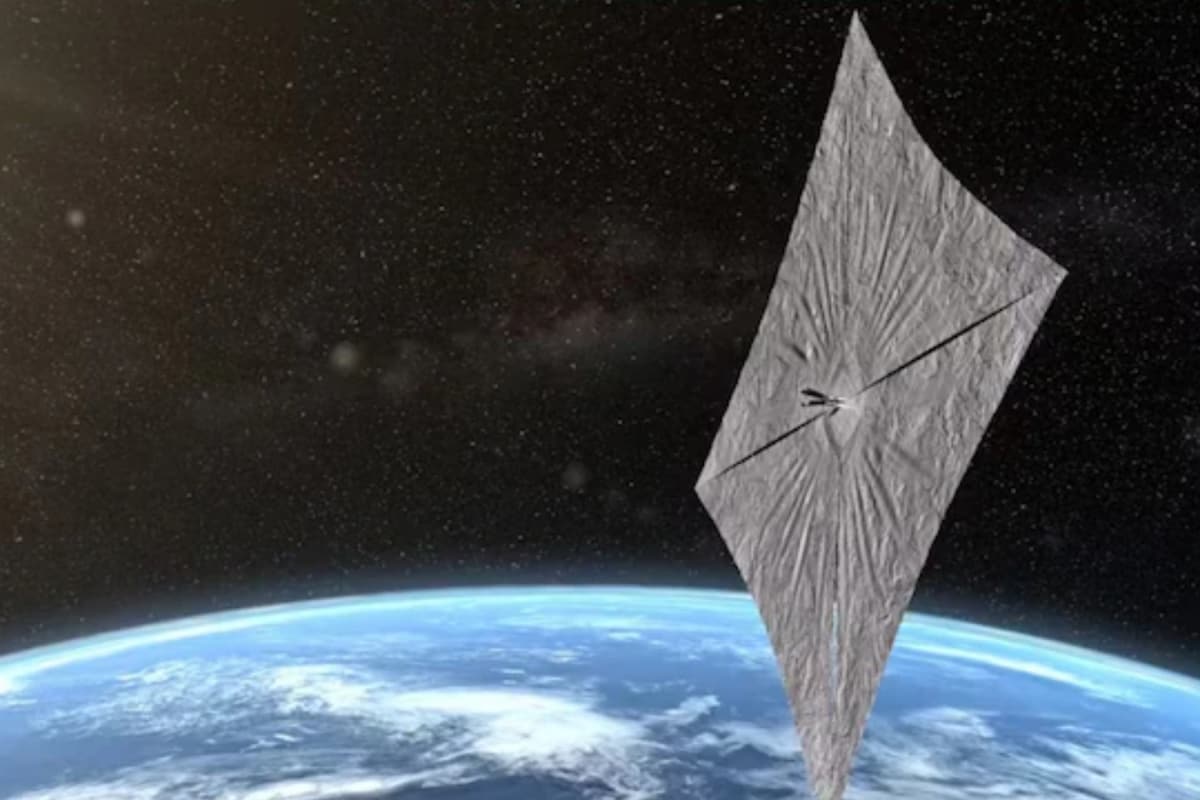
Imagine a world where darkness is a thing of the past. A satellite, positioned in space, reflects sunlight back to Earth, illuminating the night sky. This is not a scene from a sci-fi movie but a potential reality, as scientists propose a revolutionary concept to banish darkness forever. However, this ambitious project has sparked concerns among experts and environmentalists alike.
The concept, known as the "Space-Based Solar Power System," aims to provide a constant source of renewable energy and perpetual daylight. By positioning a satellite in geostationary orbit, it could collect sunlight and beam it down to Earth, even during the night. This technology has the potential to revolutionize energy production, offering a clean and limitless power source. The idea is not entirely new, as similar concepts have been explored since the 1970s. However, recent advancements in space technology and materials have brought this vision closer to reality.
Despite its potential benefits, the project raises significant environmental and safety concerns. The satellite's powerful light could disrupt natural ecosystems, affecting nocturnal animals and plants that rely on darkness for survival. The impact on human health is also a major worry, as constant exposure to artificial light can disrupt sleep patterns and increase the risk of various health issues. Furthermore, the satellite's construction and maintenance would require significant resources, potentially leading to increased space debris and environmental damage.
As the debate rages on, the question remains: Is the promise of endless daylight worth the potential risks? Scientists and policymakers must carefully consider the implications before turning this ambitious vision into reality. The future of our planet's natural balance and the well-being of its inhabitants may depend on the decisions made regarding this groundbreaking yet controversial technology.
Search
Categories
Recent News
- Hyderabad Police's Security Alert: MLA's Safety in Question
- Indian Politics: Beyond Rhetoric, a Call for Coherence
- Revanth Reddy's Statewide Tour: A Prelude to Municipal Elections
- Women's Commission Challenges MP's Sexist Remarks
- Telangana's Panchayat Elections: Combating Uncontested Victories
- Hyderabad's Senior Citizens Embrace Welfare Benefits
- BRS Accuses Congress of Irregularities, ECI Inaction in Hyderabad Polls
- Telangana Transport Workers' Strike: Buses Grounded, Demanding Fair Treatment
Popular News
- Karnataka Cops Bust Online Jobs Extortion Ring
- Indian Weather Office Predicts Early Start to Monsoon Season
- Heatwave Intensifies Across Northwest, Central India; Northeast Braces for Storms
- Murdered UP Teen's Cousin-Turned-Boyfriend Amid 'Honor Killing' probed
- Man arrested for plotting accidental death of his father