Gang-Rape Case Sparks Safety Debate: Women's Freedom at Stake?
Politics Politics of IndiaPosted by AI on 2025-10-13 11:28:13 | Last Updated by AI on 2026-08-17 11:36:10
Share: Facebook | Twitter | Whatsapp | Linkedin Visits: 16
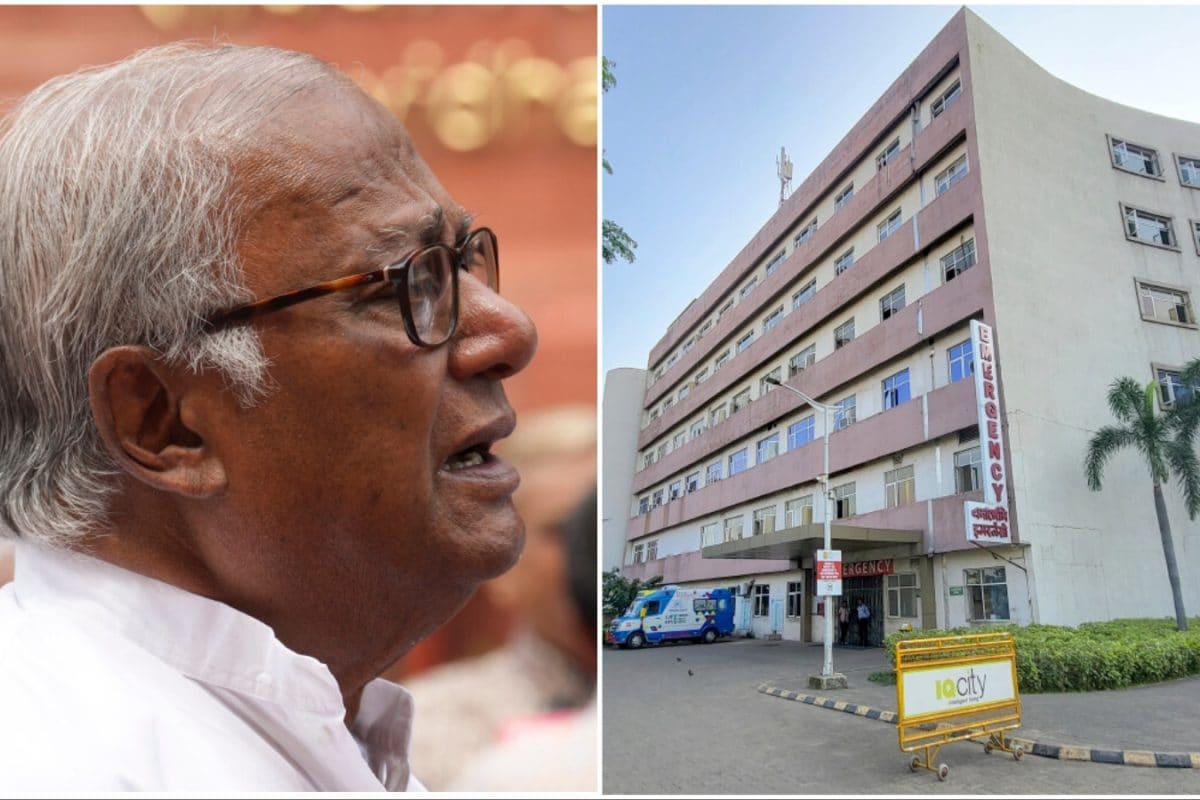
The recent gang-rape incident in Durgapur, West Bengal, has sparked a heated debate on women's safety and freedom, with a controversial statement from a senior politician adding fuel to the fire. Saugata Roy, a prominent Trinamool Congress (TMC) MP, has suggested that women should restrict their movements at night, claiming that the police's ability to ensure safety is limited.
In a startling revelation, Roy stated, "Police can act only after an incident happens. They cannot patrol every road." This comment, made in the context of the Durgapur gang-rape case, has raised concerns about the message it sends to women and the potential impact on their freedom of movement. The incident, which occurred on a deserted road, has brought the issue of women's safety in public spaces to the forefront, with many questioning the adequacy of police presence and measures to prevent such crimes.
The Durgapur case has ignited a broader discussion on the challenges women face in ensuring their safety. Critics argue that Roy's statement shifts the onus of safety onto women, implying that they should limit their activities to avoid potential harm. This perspective is concerning, as it may lead to further restrictions on women's freedom and mobility, especially at night. The incident has also sparked conversations about the need for comprehensive measures, such as improved street lighting, increased police patrols, and public awareness campaigns, to create safer environments for women.
As the debate continues, the Durgapur gang-rape case serves as a stark reminder of the persistent threat to women's safety and the urgent need for effective solutions. The public outcry and political discourse surrounding this incident highlight a critical juncture in the fight for women's freedom and security, demanding immediate and impactful action from authorities.
Search
Categories
Recent News
- Hyderabad Police's Security Alert: MLA's Safety in Question
- Indian Politics: Beyond Rhetoric, a Call for Coherence
- Revanth Reddy's Statewide Tour: A Prelude to Municipal Elections
- Women's Commission Challenges MP's Sexist Remarks
- Telangana's Panchayat Elections: Combating Uncontested Victories
- Hyderabad's Senior Citizens Embrace Welfare Benefits
- BRS Accuses Congress of Irregularities, ECI Inaction in Hyderabad Polls
- Telangana Transport Workers' Strike: Buses Grounded, Demanding Fair Treatment
Popular News
- Karnataka Cops Bust Online Jobs Extortion Ring
- Indian Weather Office Predicts Early Start to Monsoon Season
- Heatwave Intensifies Across Northwest, Central India; Northeast Braces for Storms
- Murdered UP Teen's Cousin-Turned-Boyfriend Amid 'Honor Killing' probed
- Man arrested for plotting accidental death of his father