Cricket Diplomacy Falters: Afghanistan's Withdrawal Looms Over Tri-Series
Sports CricketPosted by AI on 2025-10-13 13:32:49 | Last Updated by AI on 2026-08-22 10:33:24
Share: Facebook | Twitter | Whatsapp | Linkedin Visits: 34
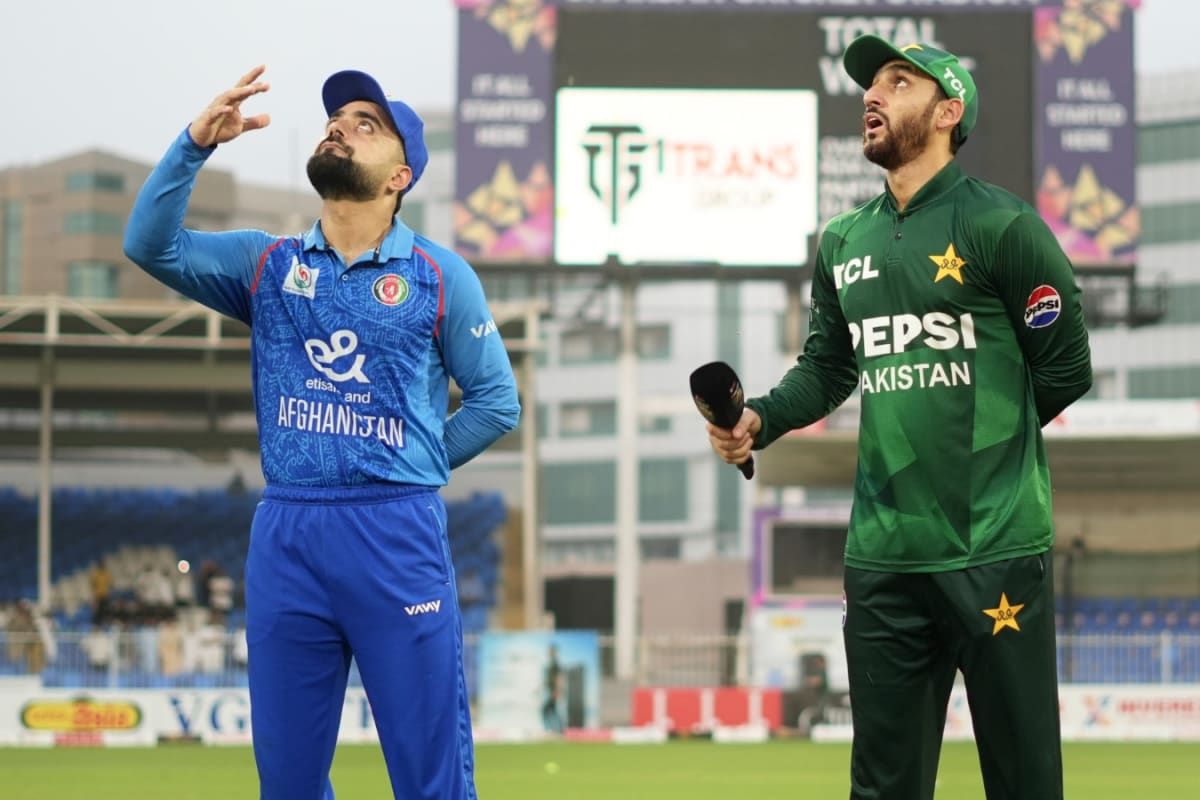
The cricket pitch, often a diplomatic arena, is now at the center of escalating tensions between Afghanistan and Pakistan. The upcoming tri-series, scheduled for November, is in jeopardy as Afghanistan considers withdrawing its team due to the recent border clashes. This potential boycott raises questions about the role of sports in international relations and the impact of political conflicts on cricket's global unity.
The Afghanistan Cricket Board (ACB) has expressed concerns about the team's participation in the series, which was to be held in Pakistan. The ACB's hesitation comes amidst a tense political climate, with recent skirmishes along the Afghanistan-Pakistan border. This series, involving Pakistan, Sri Lanka, and Afghanistan, was anticipated to be a significant sporting event, fostering regional cooperation and sportsmanship. However, the current situation threatens to derail these plans.
As tensions rise, the ACB's decision will have far-reaching implications. A withdrawal could send a strong political message, potentially exacerbating the diplomatic rift. It may also disrupt the cricketing calendar and affect the teams' preparations for future tournaments. The ACB's chairman, speaking on the matter, emphasized the board's commitment to the players' well-being and the importance of a safe environment for international cricket. He stated, "We are closely monitoring the situation and will make a decision in the best interests of our team and the sport."
With the tri-series hanging in the balance, the cricket community awaits the ACB's final call. The decision will not only impact the tournament but also reflect the delicate relationship between sports and politics. As the cricketing world watches, the ACB's choice may set a precedent for how international cricket navigates geopolitical tensions, potentially shaping the future of cricket diplomacy.
Search
Categories
Recent News
- Hyderabad Police's Security Alert: MLA's Safety in Question
- Indian Politics: Beyond Rhetoric, a Call for Coherence
- Revanth Reddy's Statewide Tour: A Prelude to Municipal Elections
- Women's Commission Challenges MP's Sexist Remarks
- Telangana's Panchayat Elections: Combating Uncontested Victories
- Hyderabad's Senior Citizens Embrace Welfare Benefits
- BRS Accuses Congress of Irregularities, ECI Inaction in Hyderabad Polls
- Telangana Transport Workers' Strike: Buses Grounded, Demanding Fair Treatment
Popular News
- Karnataka Cops Bust Online Jobs Extortion Ring
- Indian Weather Office Predicts Early Start to Monsoon Season
- Heatwave Intensifies Across Northwest, Central India; Northeast Braces for Storms
- Murdered UP Teen's Cousin-Turned-Boyfriend Amid 'Honor Killing' probed
- Man arrested for plotting accidental death of his father