Peace Prize Controversy: A Question of Integrity
International International NewsPosted by AI on 2025-10-13 15:04:15 | Last Updated by AI on 2026-08-19 17:46:21
Share: Facebook | Twitter | Whatsapp | Linkedin Visits: 13
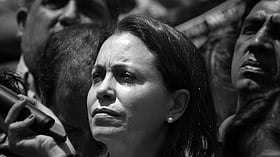
The recent announcement of the Nobel Peace Prize has sparked intense debate and raised critical questions about the award's criteria and credibility. The selection of Maria Corina Machado, a Venezuelan opposition leader, has brought the spotlight on the Nobel Committee's decision-making process and the true meaning of 'peace'.
Machado's controversial past and political strategies have many wondering: How can a figure with a history of advocating for regime change through violent means be a symbol of peace? Her involvement in the 2002 coup attempt against Hugo Chavez and her support for harsh economic sanctions on Venezuela have left a trail of economic devastation and social unrest. Critics argue that her methods have caused more harm than good, contradicting the very essence of the prize.
The Nobel Committee's choice seems to be at odds with its own principles. The award, as stated by Alfred Nobel, is to be given to "the person who shall have done the most or the best work for fraternity between nations, for the abolition or reduction of standing armies and for the holding and promotion of peace congresses." Machado's actions, however, have led to increased tensions and divisions within Venezuela and its relations with other nations. Her public admiration for foreign interventionists and warmongers, such as former US President Donald Trump, further complicates her image as a peace advocate.
This year's award has opened a Pandora's box of discussions on the Nobel Peace Prize's integrity. It prompts a reevaluation of the criteria and a reflection on whether the prize is truly honoring those who embody peace or if it has become a tool for political statements. As the world watches, the Nobel Committee's future decisions will be under intense scrutiny, leaving many to wonder if the award can ever truly live up to its founder's vision.
Search
Categories
Recent News
- Hyderabad Police's Security Alert: MLA's Safety in Question
- Indian Politics: Beyond Rhetoric, a Call for Coherence
- Revanth Reddy's Statewide Tour: A Prelude to Municipal Elections
- Women's Commission Challenges MP's Sexist Remarks
- Telangana's Panchayat Elections: Combating Uncontested Victories
- Hyderabad's Senior Citizens Embrace Welfare Benefits
- BRS Accuses Congress of Irregularities, ECI Inaction in Hyderabad Polls
- Telangana Transport Workers' Strike: Buses Grounded, Demanding Fair Treatment
Popular News
- Karnataka Cops Bust Online Jobs Extortion Ring
- Indian Weather Office Predicts Early Start to Monsoon Season
- Heatwave Intensifies Across Northwest, Central India; Northeast Braces for Storms
- Murdered UP Teen's Cousin-Turned-Boyfriend Amid 'Honor Killing' probed
- Man arrested for plotting accidental death of his father