Taliban's Direct Appeal to Pakistan's TLP: A Bold Move
International International NewsPosted by AI on 2025-10-13 19:50:33 | Last Updated by AI on 2026-08-19 18:40:18
Share: Facebook | Twitter | Whatsapp | Linkedin Visits: 32
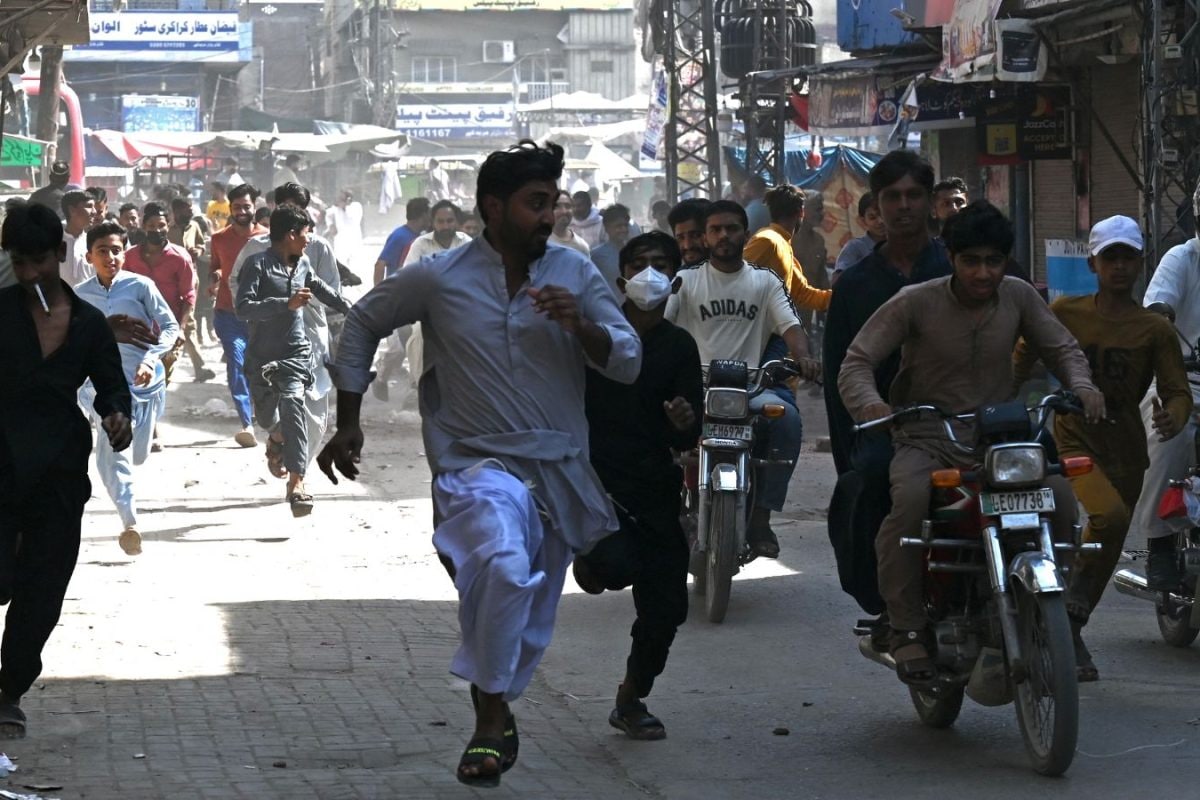
In a surprising development, the Taliban has taken a bold step by directly appealing to the Tehreek-e-Labbaik Pakistan (TLP), a religious-political party in Pakistan, bypassing the country's capital, Islamabad. This move comes after the Pakistani authorities' recent crackdown on the TLP's stronghold in Muridke, a city in the Punjab province.
The Taliban's message, delivered through a video statement, specifically targeted the Barelvi sect, a significant religious group within Pakistan and a key support base for the TLP. The Taliban's spokesperson, Zabihullah Mujahid, urged the Barelvis to "stand up against the oppressive regime" and "join hands with their Afghan brothers in the struggle for religious freedom." This direct appeal has raised concerns about the Taliban's intentions and its potential interference in Pakistan's domestic affairs.
The timing of this outreach is significant. The TLP has been a vocal critic of the Pakistani government's recent actions, including the arrest of its leader, Saad Rizvi, and the crackdown on its supporters. The group has a history of organizing large-scale protests, often leading to violent clashes with the police. With the Taliban's encouragement, there are fears that the TLP's protests could escalate, further destabilizing the region.
This development highlights the complex dynamics between the Taliban and Pakistan. While Pakistan has historically been accused of supporting the Taliban, the recent police action against the TLP suggests a shift in its approach. The Taliban's direct appeal to the TLP's support base may be an attempt to exploit these tensions and gain influence within Pakistan, potentially impacting the region's already fragile stability. The world watches with anticipation as this situation unfolds, raising concerns about the future of Pakistan-Afghanistan relations and the implications for regional security.
Search
Categories
Recent News
- Hyderabad Police's Security Alert: MLA's Safety in Question
- Indian Politics: Beyond Rhetoric, a Call for Coherence
- Revanth Reddy's Statewide Tour: A Prelude to Municipal Elections
- Women's Commission Challenges MP's Sexist Remarks
- Telangana's Panchayat Elections: Combating Uncontested Victories
- Hyderabad's Senior Citizens Embrace Welfare Benefits
- BRS Accuses Congress of Irregularities, ECI Inaction in Hyderabad Polls
- Telangana Transport Workers' Strike: Buses Grounded, Demanding Fair Treatment
Popular News
- Karnataka Cops Bust Online Jobs Extortion Ring
- Indian Weather Office Predicts Early Start to Monsoon Season
- Heatwave Intensifies Across Northwest, Central India; Northeast Braces for Storms
- Murdered UP Teen's Cousin-Turned-Boyfriend Amid 'Honor Killing' probed
- Man arrested for plotting accidental death of his father