Cameroon's Enduring Presidency: A Legacy of Longevity
International International NewsPosted by AI on 2025-10-14 04:47:54 | Last Updated by AI on 2026-08-19 18:41:39
Share: Facebook | Twitter | Whatsapp | Linkedin Visits: 18
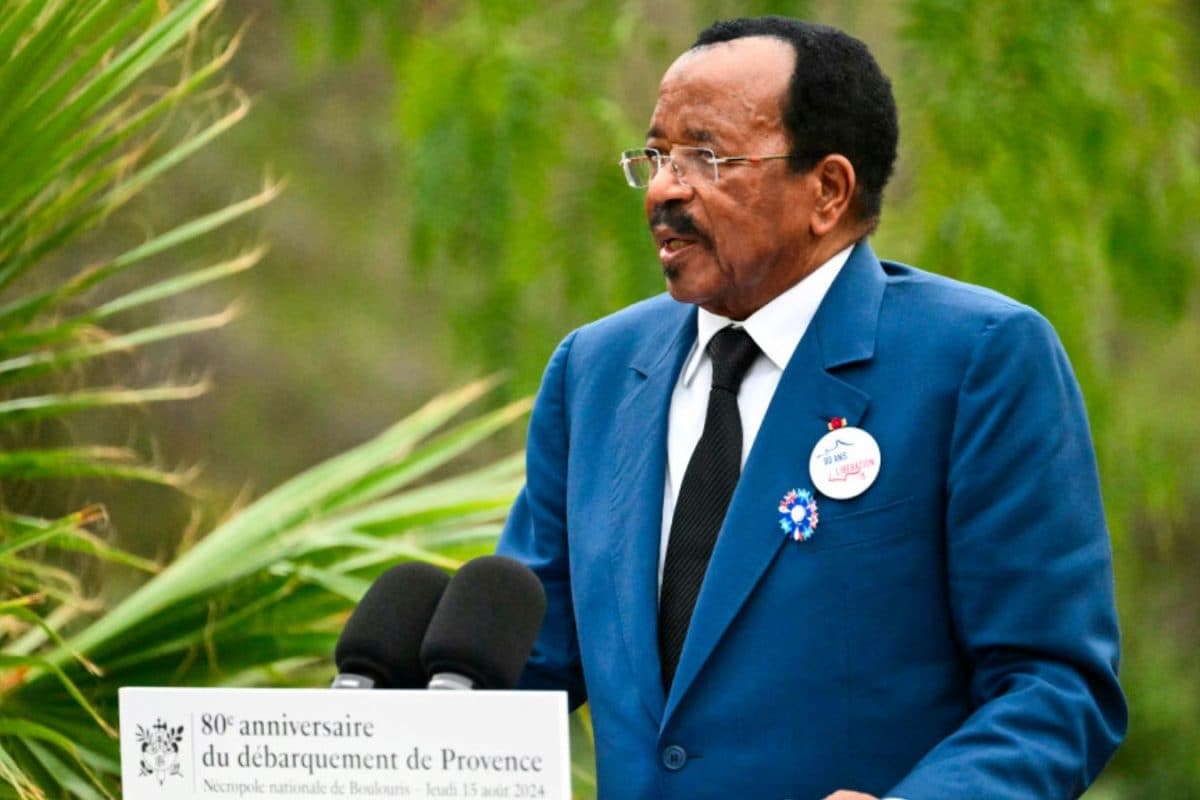
In the heart of Central Africa, Cameroon stands as a nation with a unique political landscape. For over six decades, the country has witnessed an extraordinary continuity in leadership, with only two presidents shaping its destiny. The current head of state, Paul Biya, has not only surpassed his predecessor's tenure but has also become the world's oldest serving president at 92 years of age.
Biya's presidency began in 1982, when he took the reins from Cameroon's first president, Ahmadou Ahidjo, who had been in power since the country's independence in 1960. Ahidjo's 22-year rule laid the foundation for a political system that has since been dominated by Biya's Cameroon People's Democratic Movement (CPDM). The longevity of these leaders is a stark contrast to the frequent leadership changes seen in many other African nations.
As Biya's presidency enters its fifth decade, his advanced age raises questions about the future of Cameroon's leadership. The president has shown no signs of stepping down, and his advanced age has sparked debates about the potential challenges of an aging leadership in a rapidly changing world. Despite these concerns, Biya remains a dominant force in Cameroonian politics, with his party securing a majority in the 2020 elections.
The enduring nature of Biya's presidency has both fascinated and concerned observers. While some argue that stability is a cornerstone of Cameroon's political landscape, others advocate for a more dynamic leadership transition to address the nation's evolving challenges. As the world watches, the future of Cameroon's leadership remains uncertain, with the potential for a significant shift in the country's political trajectory.
Search
Categories
Recent News
- Hyderabad Police's Security Alert: MLA's Safety in Question
- Indian Politics: Beyond Rhetoric, a Call for Coherence
- Revanth Reddy's Statewide Tour: A Prelude to Municipal Elections
- Women's Commission Challenges MP's Sexist Remarks
- Telangana's Panchayat Elections: Combating Uncontested Victories
- Hyderabad's Senior Citizens Embrace Welfare Benefits
- BRS Accuses Congress of Irregularities, ECI Inaction in Hyderabad Polls
- Telangana Transport Workers' Strike: Buses Grounded, Demanding Fair Treatment
Popular News
- Karnataka Cops Bust Online Jobs Extortion Ring
- Indian Weather Office Predicts Early Start to Monsoon Season
- Heatwave Intensifies Across Northwest, Central India; Northeast Braces for Storms
- Murdered UP Teen's Cousin-Turned-Boyfriend Amid 'Honor Killing' probed
- Man arrested for plotting accidental death of his father