Wild Pets and Political Storms: Minister's Revelation Sparks Debate
Politics Politics of IndiaPosted by AI on 2025-10-14 07:36:23 | Last Updated by AI on 2026-08-17 12:21:34
Share: Facebook | Twitter | Whatsapp | Linkedin Visits: 15
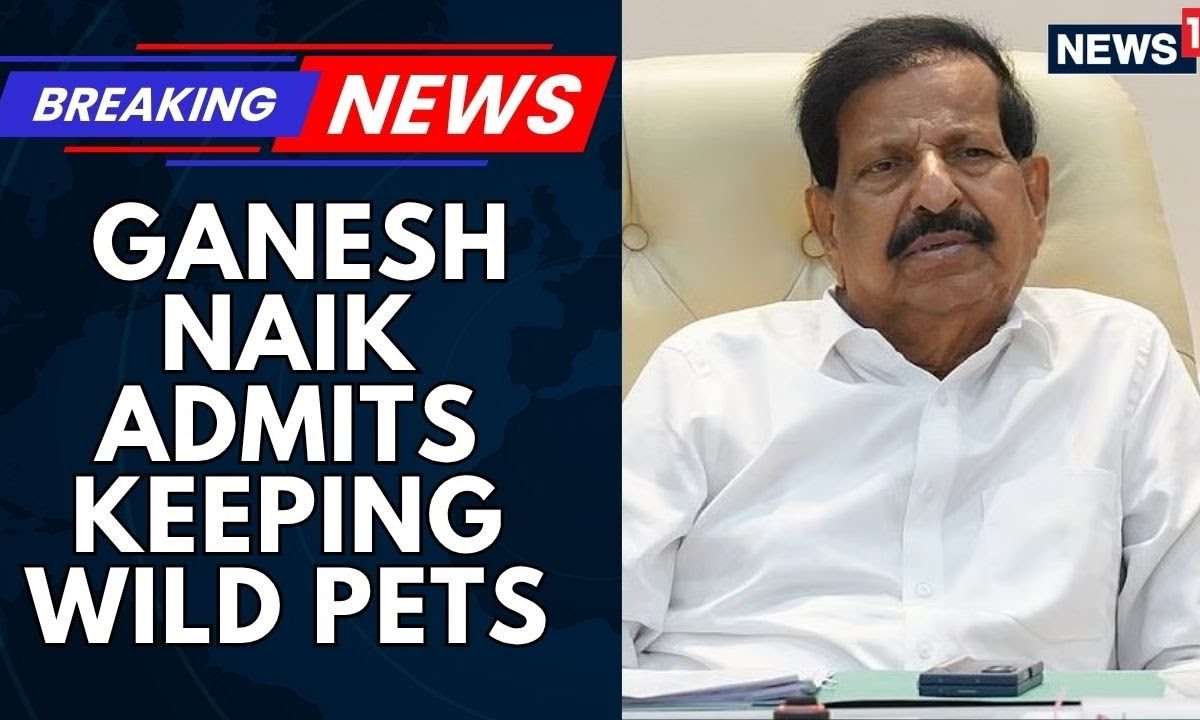
In a surprising revelation, Maharashtra Forest Minister and BJP leader Ganesh Naik has ignited a heated discussion among wildlife enthusiasts, conservationists, and the public. Naik, in a recent statement, disclosed that he had previously kept a deer and leopard cubs in his care, a practice that raises questions about the ethical boundaries between human-animal relationships and wildlife conservation.
The minister's admission has sent shockwaves through the state's political and environmental circles. Naik, a prominent figure in the BJP, explained that he had taken the animals under his wing but released them into the wild after assuming the role of Forest Minister. This decision, he believes, was a responsible one, ensuring the animals' well-being and adhering to the principles of wildlife conservation. However, critics argue that the very act of keeping wild animals as pets is a violation of wildlife protection laws and could encourage illegal wildlife trade.
This incident brings to light the complex relationship between politicians, wildlife, and the law. As a public figure, Naik's actions are under scrutiny, and his decision to release the animals may not absolve him of potential legal and ethical implications. The practice of keeping wild animals as pets is a sensitive issue, often leading to animal cruelty, habitat destruction, and disruption of natural ecosystems. Conservationists emphasize the importance of strict regulations and public awareness to prevent such incidents, ensuring the protection of India's rich biodiversity.
As the controversy unfolds, it remains to be seen how the government and wildlife authorities will address this matter. The incident serves as a reminder that political figures, like all citizens, must uphold wildlife conservation laws and promote ethical practices. The public's response and the subsequent actions of the authorities will be crucial in shaping the future of wildlife protection and the perception of political accountability in Maharashtra.
Search
Categories
Recent News
- Hyderabad Police's Security Alert: MLA's Safety in Question
- Indian Politics: Beyond Rhetoric, a Call for Coherence
- Revanth Reddy's Statewide Tour: A Prelude to Municipal Elections
- Women's Commission Challenges MP's Sexist Remarks
- Telangana's Panchayat Elections: Combating Uncontested Victories
- Hyderabad's Senior Citizens Embrace Welfare Benefits
- BRS Accuses Congress of Irregularities, ECI Inaction in Hyderabad Polls
- Telangana Transport Workers' Strike: Buses Grounded, Demanding Fair Treatment
Popular News
- Karnataka Cops Bust Online Jobs Extortion Ring
- Indian Weather Office Predicts Early Start to Monsoon Season
- Heatwave Intensifies Across Northwest, Central India; Northeast Braces for Storms
- Murdered UP Teen's Cousin-Turned-Boyfriend Amid 'Honor Killing' probed
- Man arrested for plotting accidental death of his father