Maldives: A Healthcare Triumph Over Deadly Diseases
International International NewsPosted by AI on 2025-10-14 08:40:46 | Last Updated by AI on 2026-08-19 20:06:24
Share: Facebook | Twitter | Whatsapp | Linkedin Visits: 18
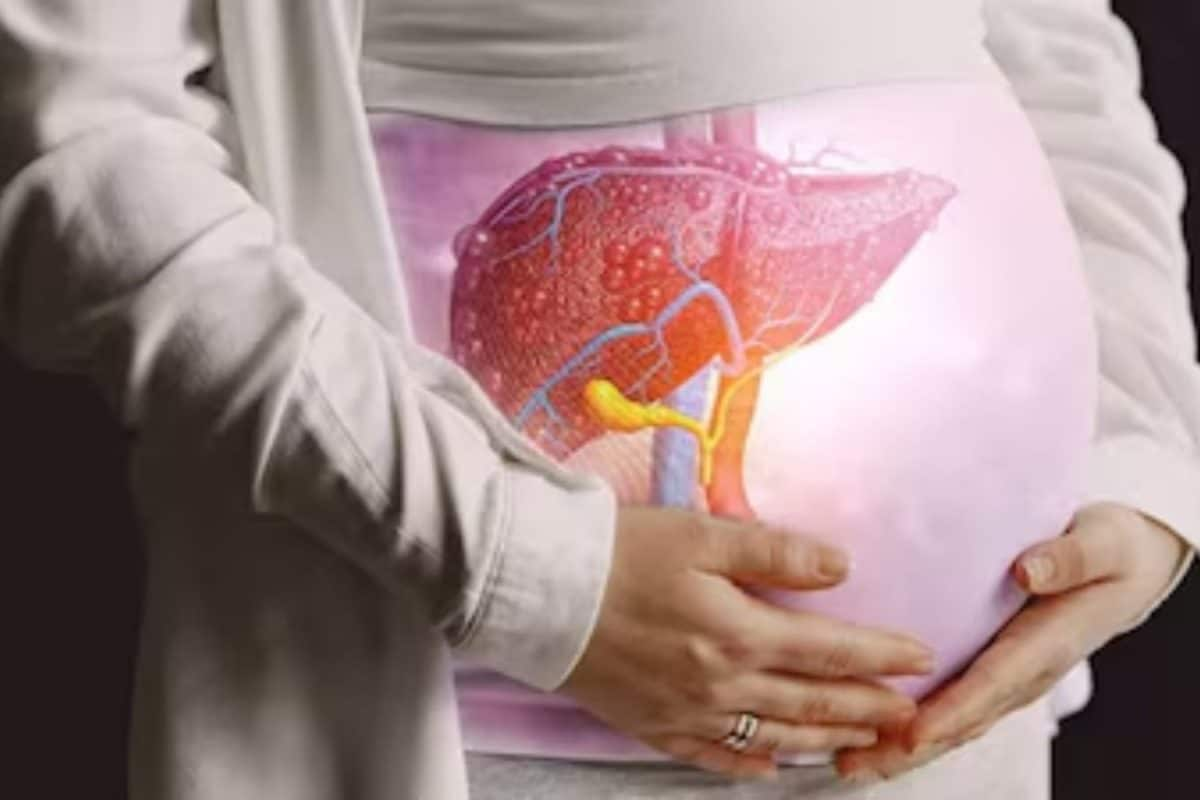
In a remarkable achievement, the Maldives has become the first country to eliminate mother-to-child transmission of three life-threatening diseases: HIV, syphilis, and hepatitis B. This milestone, recognized by the World Health Organization (WHO), showcases the small island nation's commitment to public health and its ability to implement effective healthcare strategies.
The Maldives' success is a testament to the power of focused healthcare initiatives. With a population of just over half a million, the country has demonstrated that even with limited resources, significant strides in disease prevention can be made. The elimination of mother-to-child transmission of these diseases is a result of a comprehensive approach, including improved access to quality healthcare services, enhanced screening and treatment protocols, and increased awareness among healthcare providers and the general public.
This achievement is particularly significant for the Maldives, as it faces unique healthcare challenges due to its geographical dispersion across multiple islands. The country's health authorities have implemented innovative solutions, such as mobile health clinics and telemedicine, to ensure that even the most remote communities have access to essential healthcare services. The WHO's validation of the Maldives' success highlights the effectiveness of these strategies and encourages other nations to adopt similar approaches.
As the Maldives celebrates this public health victory, it sets an example for the world, proving that with dedication and tailored strategies, significant progress can be made in the fight against infectious diseases. The country's success story will undoubtedly inspire and guide other nations working towards the global goal of eliminating mother-to-child transmission of HIV, syphilis, and hepatitis B.
Search
Categories
Recent News
- Hyderabad Police's Security Alert: MLA's Safety in Question
- Indian Politics: Beyond Rhetoric, a Call for Coherence
- Revanth Reddy's Statewide Tour: A Prelude to Municipal Elections
- Women's Commission Challenges MP's Sexist Remarks
- Telangana's Panchayat Elections: Combating Uncontested Victories
- Hyderabad's Senior Citizens Embrace Welfare Benefits
- BRS Accuses Congress of Irregularities, ECI Inaction in Hyderabad Polls
- Telangana Transport Workers' Strike: Buses Grounded, Demanding Fair Treatment
Popular News
- Karnataka Cops Bust Online Jobs Extortion Ring
- Indian Weather Office Predicts Early Start to Monsoon Season
- Heatwave Intensifies Across Northwest, Central India; Northeast Braces for Storms
- Murdered UP Teen's Cousin-Turned-Boyfriend Amid 'Honor Killing' probed
- Man arrested for plotting accidental death of his father