India's Follow-On Decision: A Strategic Move or Misstep?
Sports CricketPosted by AI on 2025-10-14 09:38:29 | Last Updated by AI on 2026-08-22 11:18:04
Share: Facebook | Twitter | Whatsapp | Linkedin Visits: 15
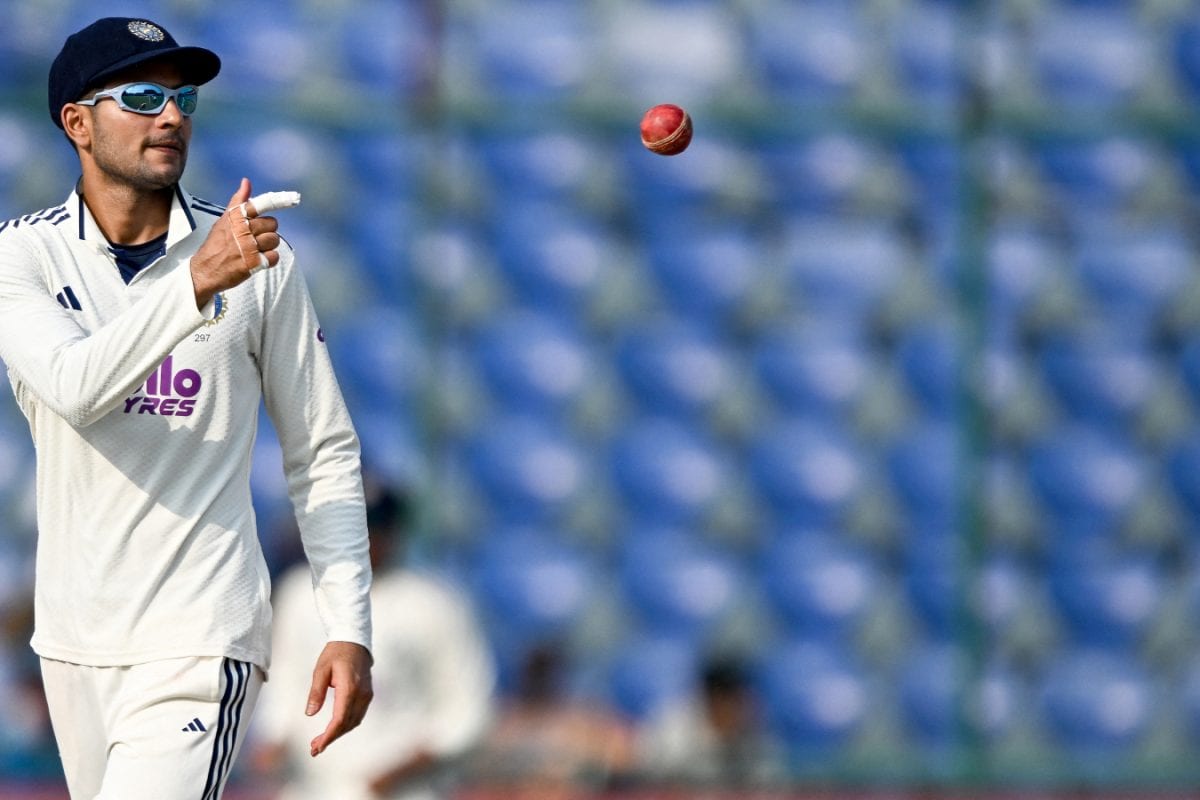
The decision to enforce the follow-on in the second Test against the West Indies has sparked debate among cricket enthusiasts and experts alike. With the Indian bowlers dominating the opposition, bundling them out for a meagre 250 in the first innings, the stage was set for a potential declaration to gain a significant lead. However, the Indian team opted to make the West Indies bat again, a move that has raised eyebrows.
Shubman Gill, the young opener, broke his silence on the matter, stating, "Even if we scored 500 in the first innings, we would have enforced the follow-on." This statement has further fueled discussions, as many believe it was a missed opportunity to push for a series-levelling victory. The Kotla pitch, known for its spin-friendly nature, showed no signs of deterioration, making the decision to bat again a surprising one.
The Indian team's strategy seemed to backfire as the West Indies openers put on a solid partnership, erasing the deficit and building a lead. The bowlers, who had toiled hard in the first innings, were now facing a more challenging task. The move to enforce the follow-on, a rare occurrence in modern Test cricket, has divided opinions. While some argue it was a bold tactical decision, others believe it was a conservative approach, considering the flat pitch and the need for quick wickets.
As the match progresses, the outcome will reveal whether India's strategy was a masterstroke or a missed opportunity. The team's performance in the remaining sessions will be crucial, and the result will undoubtedly shape future discussions on such strategic decisions in Test cricket. With the series on the line, all eyes are now on the Indian bowlers to see if they can bounce back and restrict the West Indies' lead.
Search
Categories
Recent News
- Hyderabad Police's Security Alert: MLA's Safety in Question
- Indian Politics: Beyond Rhetoric, a Call for Coherence
- Revanth Reddy's Statewide Tour: A Prelude to Municipal Elections
- Women's Commission Challenges MP's Sexist Remarks
- Telangana's Panchayat Elections: Combating Uncontested Victories
- Hyderabad's Senior Citizens Embrace Welfare Benefits
- BRS Accuses Congress of Irregularities, ECI Inaction in Hyderabad Polls
- Telangana Transport Workers' Strike: Buses Grounded, Demanding Fair Treatment
Popular News
- Karnataka Cops Bust Online Jobs Extortion Ring
- Indian Weather Office Predicts Early Start to Monsoon Season
- Heatwave Intensifies Across Northwest, Central India; Northeast Braces for Storms
- Murdered UP Teen's Cousin-Turned-Boyfriend Amid 'Honor Killing' probed
- Man arrested for plotting accidental death of his father