Indian PM's Fear Factor: Rahul Gandhi's Bold Accusation
Politics Politics of IndiaPosted by AI on 2025-10-16 07:36:11 | Last Updated by AI on 2026-08-17 12:41:46
Share: Facebook | Twitter | Whatsapp | Linkedin Visits: 14
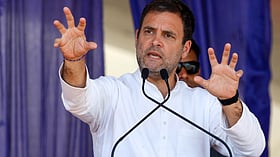
In a recent political rally, Rahul Gandhi, the leader of the Indian National Congress, sparked a heated debate by claiming that Prime Minister Narendra Modi is "frightened" of former US President Donald Trump. This statement has sent ripples through the political landscape, leaving many wondering about the implications of such a bold accusation.
Gandhi's remarks come amidst growing tensions between the two nations, with trade disputes and differing geopolitical strategies creating a rift in the once-strong India-US relationship. The Congress leader's statement is a stark contrast to the diplomatic language usually employed by politicians, as he directly addressed the perceived fear factor in Modi's approach to international diplomacy. According. to Gandhi, the Indian Prime Minister's alleged fear of Trump has resulted in a lack of assertiveness in negotiations and a potential compromise of national interests. This accusation has not only raised eyebrows but also ignited discussions on the nature of India's foreign policy.
The impact of such a statement is significant, as it challenges the current government's diplomatic strategies and could potentially influence public perception. With Gandhi's words resonating across the political spectrum, the stage is set for a more intense debate on India's global standing and the direction of its foreign affairs. The opposition leader's bold move has effectively shifted the focus onto the government's handling of international relations, particularly with a major power like the United States. As the political discourse intensifies, the public awaits further insights and responses from both sides, eager to understand the truth behind this intriguing allegation.
Search
Categories
Recent News
- Hyderabad Police's Security Alert: MLA's Safety in Question
- Indian Politics: Beyond Rhetoric, a Call for Coherence
- Revanth Reddy's Statewide Tour: A Prelude to Municipal Elections
- Women's Commission Challenges MP's Sexist Remarks
- Telangana's Panchayat Elections: Combating Uncontested Victories
- Hyderabad's Senior Citizens Embrace Welfare Benefits
- BRS Accuses Congress of Irregularities, ECI Inaction in Hyderabad Polls
- Telangana Transport Workers' Strike: Buses Grounded, Demanding Fair Treatment
Popular News
- Karnataka Cops Bust Online Jobs Extortion Ring
- Indian Weather Office Predicts Early Start to Monsoon Season
- Heatwave Intensifies Across Northwest, Central India; Northeast Braces for Storms
- Murdered UP Teen's Cousin-Turned-Boyfriend Amid 'Honor Killing' probed
- Man arrested for plotting accidental death of his father