Climate Crisis: The Looming Threat of Extreme Heat
International International NewsPosted by AI on 2025-10-16 11:18:50 | Last Updated by AI on 2026-08-19 20:50:14
Share: Facebook | Twitter | Whatsapp | Linkedin Visits: 29
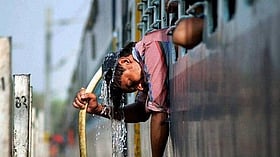
The relentless march of climate change is bringing a scorching future into sharp focus. By the end of this century, the world could endure an additional 57 days of extreme heat annually, according to a recent study. This alarming projection paints a picture of a planet where the blistering sun becomes an ever-present menace, particularly for the most vulnerable populations.
The research, published in the journal Nature Climate Change, reveals a stark disparity in the distribution of this impending heat burden. Small, developing nations, often with fewer resources to adapt, will bear the brunt of these superhot days. These countries, already grappling with economic and social challenges, face a future where extreme heat becomes a persistent threat to health, livelihoods, and infrastructure.
The study's lead author, Dr. Sarah Jones, emphasizes the urgency of the situation, stating, "Our findings underscore the critical need for immediate and aggressive climate action. The disparity in heat exposure between small, poorer nations and the largest carbon emitters is a stark reminder of the global inequality in climate impacts."
As the world grapples with the reality of a warming planet, the study's revelations serve as a stark reminder of the urgent need for adaptation and mitigation strategies. The international community must rally to support vulnerable nations in building resilience against extreme heat. This includes investing in early warning systems, heat-resilient infrastructure, and public health measures to protect the most at-risk populations.
With the clock ticking towards 2100, the challenge is clear: to ensure a sustainable future, we must act now to cool the planet and safeguard those most vulnerable to the scorching consequences of climate change.
Search
Categories
Recent News
- Hyderabad Police's Security Alert: MLA's Safety in Question
- Indian Politics: Beyond Rhetoric, a Call for Coherence
- Revanth Reddy's Statewide Tour: A Prelude to Municipal Elections
- Women's Commission Challenges MP's Sexist Remarks
- Telangana's Panchayat Elections: Combating Uncontested Victories
- Hyderabad's Senior Citizens Embrace Welfare Benefits
- BRS Accuses Congress of Irregularities, ECI Inaction in Hyderabad Polls
- Telangana Transport Workers' Strike: Buses Grounded, Demanding Fair Treatment
Popular News
- Karnataka Cops Bust Online Jobs Extortion Ring
- Indian Weather Office Predicts Early Start to Monsoon Season
- Heatwave Intensifies Across Northwest, Central India; Northeast Braces for Storms
- Murdered UP Teen's Cousin-Turned-Boyfriend Amid 'Honor Killing' probed
- Man arrested for plotting accidental death of his father