Gujarat's Political Reset: A Cabinet Overhaul
Politics Politics of IndiaPosted by AI on 2025-10-16 14:03:13 | Last Updated by AI on 2026-08-17 13:03:05
Share: Facebook | Twitter | Whatsapp | Linkedin Visits: 18
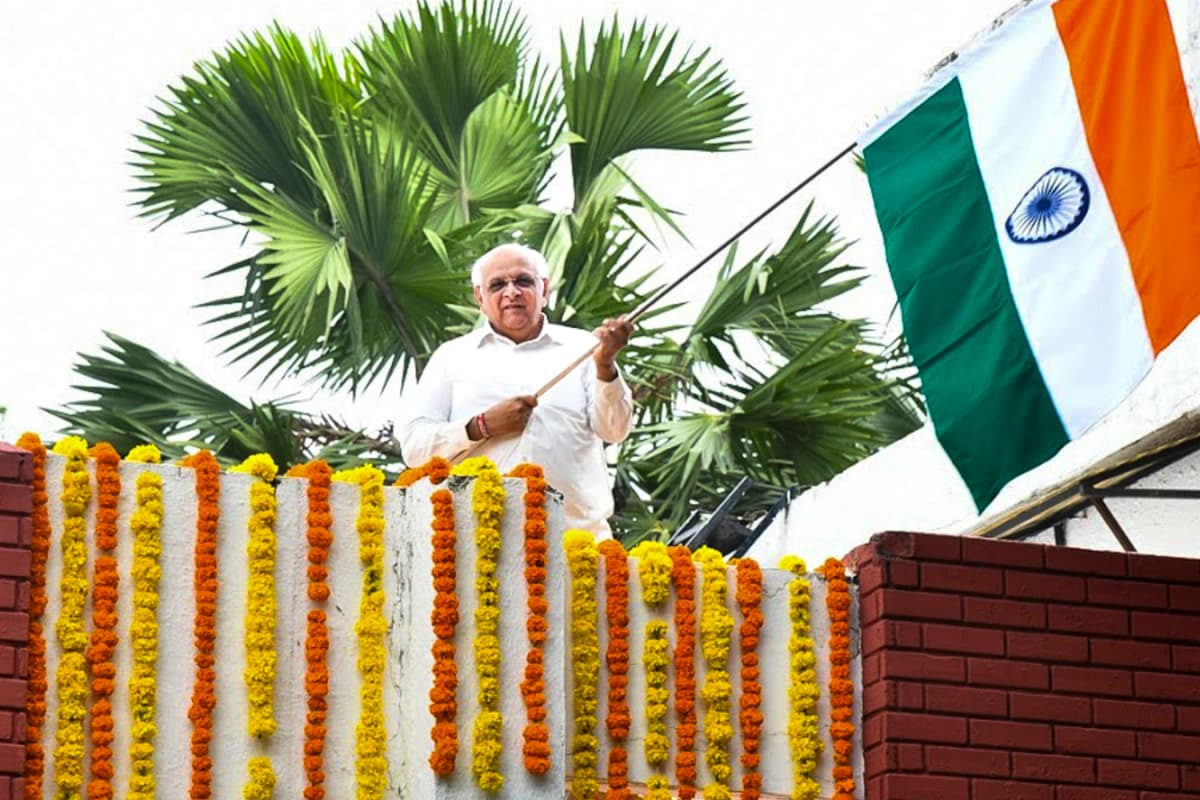
In a significant political development, all Gujarat ministers have tendered their resignations, marking a pivotal moment in the state's administrative landscape. This en masse resignation is a strategic move by Chief Minister Bhupendra Patel, who aims to restructure his cabinet ahead of crucial political events. The decision has sent ripples through the state's political arena, leaving many wondering about the future composition of the cabinet and the implications for governance.
The resignations come at a time when the ruling Bharatiya Janata Party (BJP) is gearing up for the upcoming state assembly elections, expected later this year. This proactive step is seen as a strategic move to showcase a fresh and dynamic leadership approach, potentially appealing to voters. With the current ministers stepping down, the Chief Minister now has the opportunity to carefully select a new team, ensuring a balance of experience and fresh perspectives.
This reshuffle is not just a routine administrative procedure but holds immense significance for the state's political future. It allows the Chief Minister to address any performance gaps and inject new energy into the cabinet. The timing is crucial, as the BJP aims to strengthen its position and showcase a united front before the elections. The move is a bold statement, indicating a commitment to efficient governance and a willingness to adapt to the evolving political landscape.
As the state awaits the unveiling of the new cabinet, the focus shifts to the Chief Minister's choices. The selection process will be closely watched, as it will shape the narrative of the BJP's electoral campaign and the state's governance in the coming months. With this strategic overhaul, Gujarat's political arena is set for an exciting transformation, leaving both the public and political observers eagerly anticipating the next steps.
Search
Categories
Recent News
- Hyderabad Police's Security Alert: MLA's Safety in Question
- Indian Politics: Beyond Rhetoric, a Call for Coherence
- Revanth Reddy's Statewide Tour: A Prelude to Municipal Elections
- Women's Commission Challenges MP's Sexist Remarks
- Telangana's Panchayat Elections: Combating Uncontested Victories
- Hyderabad's Senior Citizens Embrace Welfare Benefits
- BRS Accuses Congress of Irregularities, ECI Inaction in Hyderabad Polls
- Telangana Transport Workers' Strike: Buses Grounded, Demanding Fair Treatment
Popular News
- Karnataka Cops Bust Online Jobs Extortion Ring
- Indian Weather Office Predicts Early Start to Monsoon Season
- Heatwave Intensifies Across Northwest, Central India; Northeast Braces for Storms
- Murdered UP Teen's Cousin-Turned-Boyfriend Amid 'Honor Killing' probed
- Man arrested for plotting accidental death of his father