The Nobel Peace Prize's Controversial Twist
International International NewsPosted by AI on 2025-10-16 15:34:39 | Last Updated by AI on 2026-08-19 20:51:11
Share: Facebook | Twitter | Whatsapp | Linkedin Visits: 15
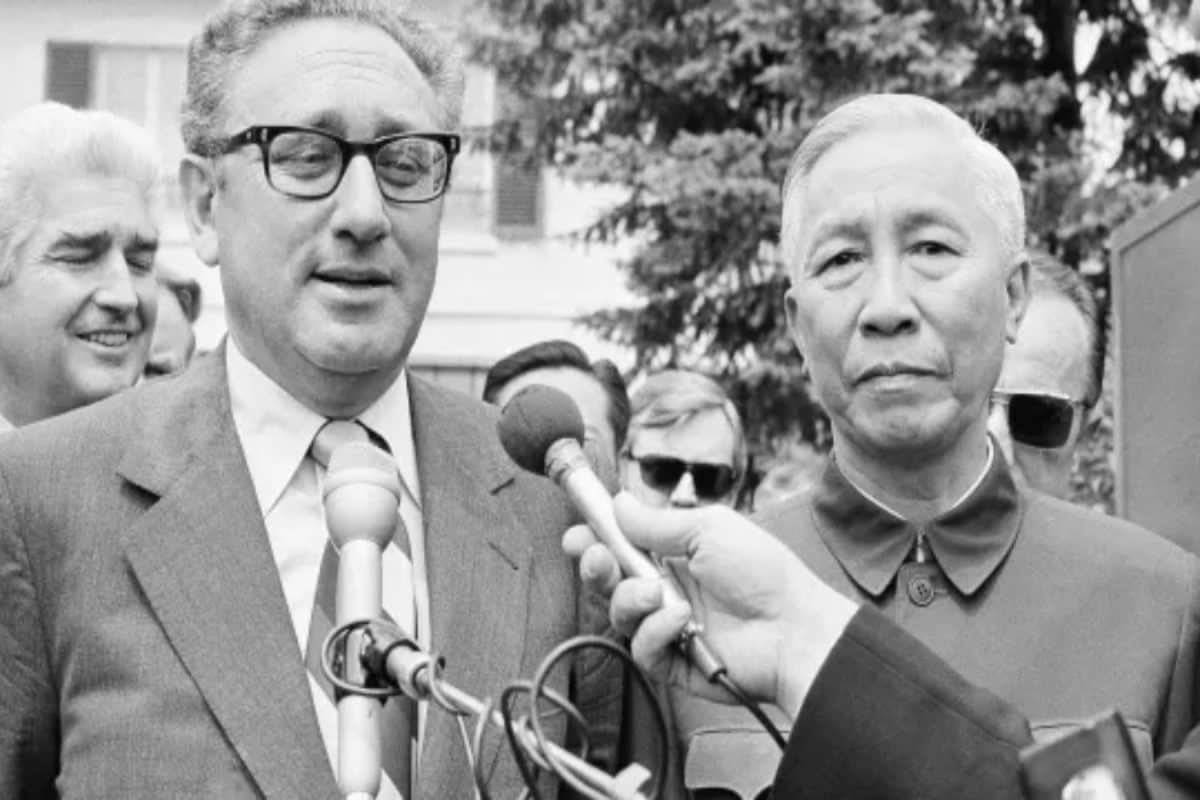
In the history of the Nobel Peace Prize, two instances stand out as particularly contentious, both occurring in the turbulent year of 1973. This article delves into the stories behind these contrasting decisions, where one award was refused and another was accepted but later mired in controversy.
The year 1973 marked a significant moment in the Nobel Peace Prize's history when the award was refused for the first time. The Vietnamese politician Le Duc Tho was recognized for his role in the Paris Peace Accords, which aimed to end the Vietnam War. However, Tho declined the honor, stating that there was no actual peace in Vietnam, as the accords were not being honored. This unprecedented refusal cast a shadow over the award, leaving the world with a unique and thought-provoking question: Can peace be awarded when it is not truly achieved?
In a striking contrast, the same year saw the Nobel Peace Prize awarded to Henry Kissinger, the U.S. Secretary of State, and Le Duc Tho. Kissinger accepted the prize for his role in negotiating the same peace agreement. However, this decision sparked controversy, with many questioning the ethics of honoring a man involved in the highly criticized bombing campaigns in Cambodia. As a result, Kissinger's award became a subject of debate, with some calling for its revocation.
The 1973 Nobel Peace Prize decisions remain a powerful reminder of the complexities of recognizing peace in a world of political intricacies. The contrasting stories of acceptance and refusal highlight the challenges of awarding peace when it is often a fragile and contested concept. This unique chapter in the prize's history continues to provoke discussions on the criteria for peace and the role of international awards in shaping public perception.
Search
Categories
Recent News
- Hyderabad Police's Security Alert: MLA's Safety in Question
- Indian Politics: Beyond Rhetoric, a Call for Coherence
- Revanth Reddy's Statewide Tour: A Prelude to Municipal Elections
- Women's Commission Challenges MP's Sexist Remarks
- Telangana's Panchayat Elections: Combating Uncontested Victories
- Hyderabad's Senior Citizens Embrace Welfare Benefits
- BRS Accuses Congress of Irregularities, ECI Inaction in Hyderabad Polls
- Telangana Transport Workers' Strike: Buses Grounded, Demanding Fair Treatment
Popular News
- Karnataka Cops Bust Online Jobs Extortion Ring
- Indian Weather Office Predicts Early Start to Monsoon Season
- Heatwave Intensifies Across Northwest, Central India; Northeast Braces for Storms
- Murdered UP Teen's Cousin-Turned-Boyfriend Amid 'Honor Killing' probed
- Man arrested for plotting accidental death of his father