NADA's Doping Crackdown: Minors Among the Banned
Sports Other SportsPosted by AI on 2025-10-16 19:25:18 | Last Updated by AI on 2026-08-22 10:59:29
Share: Facebook | Twitter | Whatsapp | Linkedin Visits: 31
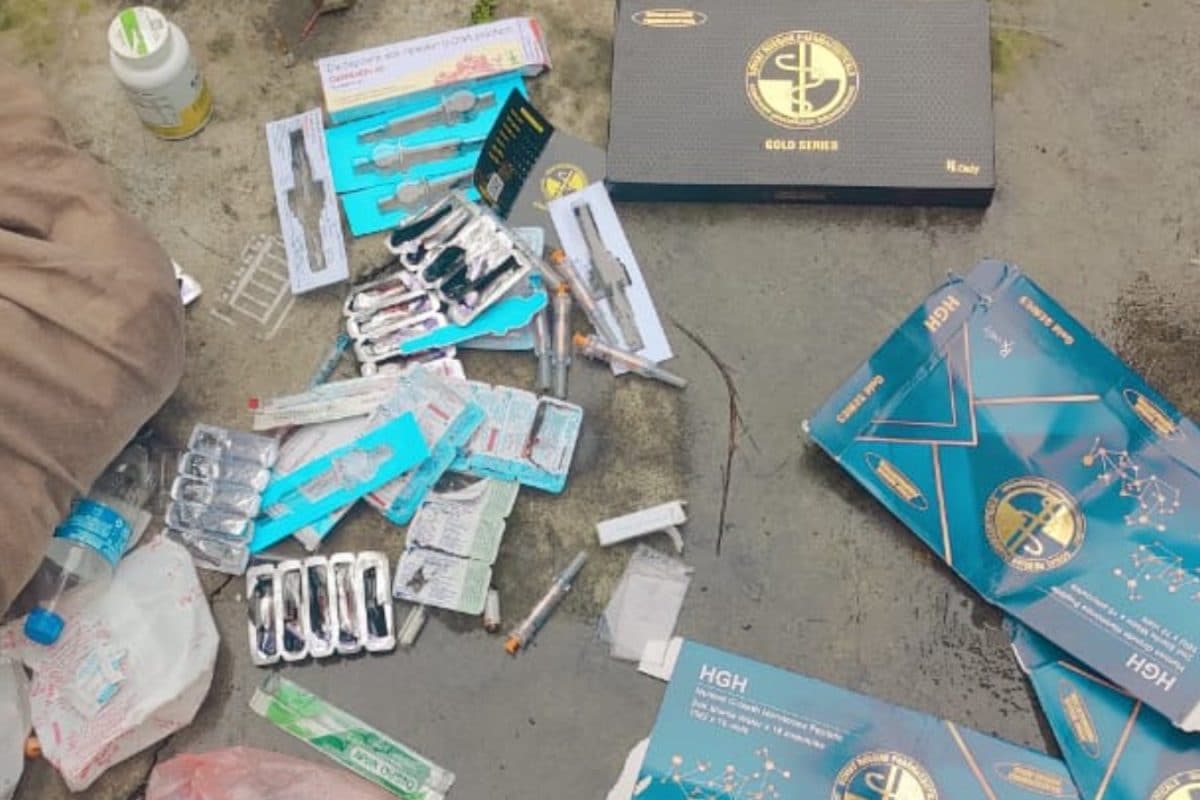
In a significant move, the National Anti-Doping Agency (NADA) has imposed three-year bans on several athletes, including three minors, for violating anti-doping regulations. This decision, made under the 2021 Anti-Doping Rules, sends a strong message about the agency's commitment to maintaining a level playing field in sports. The case raises questions about the prevalence of doping among young athletes and the effectiveness of anti-doping education and prevention measures.
The banned athletes, whose identities have not been disclosed due to their minor status, were found to have used prohibited substances to enhance their performance. NADA's swift action in this case demonstrates a zero-tolerance policy for doping, especially among youth, who are considered more vulnerable to the allure of performance-enhancing drugs. The agency's decision to reduce the sanctions after early admission of guilt is a strategic move to encourage athletes to come forward and cooperate, potentially revealing more about the supply chain and methods of doping in sports.
This incident highlights the ongoing battle against doping in sports, a battle that often targets young athletes who may be unaware of the long-term health consequences and ethical implications of their actions. The reduced bans also indicate NADA's recognition of the complex factors that might influence minors' decisions to dope, such as peer pressure, lack of awareness, or misguided coaching. By offering reduced sanctions, the agency encourages self-reporting and provides an opportunity for these young athletes to learn from their mistakes and contribute to a cleaner sporting environment.
As NADA continues its efforts to eradicate doping, the focus on education and prevention becomes paramount, especially in nurturing a culture of fair play among the younger generation of athletes. This case serves as a stark reminder that the fight against doping requires a multi-faceted approach, combining strict enforcement with supportive measures to protect the integrity of sports and the health of its participants.
Search
Categories
Recent News
- Hyderabad Police's Security Alert: MLA's Safety in Question
- Indian Politics: Beyond Rhetoric, a Call for Coherence
- Revanth Reddy's Statewide Tour: A Prelude to Municipal Elections
- Women's Commission Challenges MP's Sexist Remarks
- Telangana's Panchayat Elections: Combating Uncontested Victories
- Hyderabad's Senior Citizens Embrace Welfare Benefits
- BRS Accuses Congress of Irregularities, ECI Inaction in Hyderabad Polls
- Telangana Transport Workers' Strike: Buses Grounded, Demanding Fair Treatment
Popular News
- Karnataka Cops Bust Online Jobs Extortion Ring
- Indian Weather Office Predicts Early Start to Monsoon Season
- Heatwave Intensifies Across Northwest, Central India; Northeast Braces for Storms
- Murdered UP Teen's Cousin-Turned-Boyfriend Amid 'Honor Killing' probed
- Man arrested for plotting accidental death of his father