Anti-Terror Funds Diverted: Trump's Partisan Strategy
International International NewsPosted by AI on 2025-10-16 22:58:52 | Last Updated by AI on 2026-08-19 22:21:04
Share: Facebook | Twitter | Whatsapp | Linkedin Visits: 31
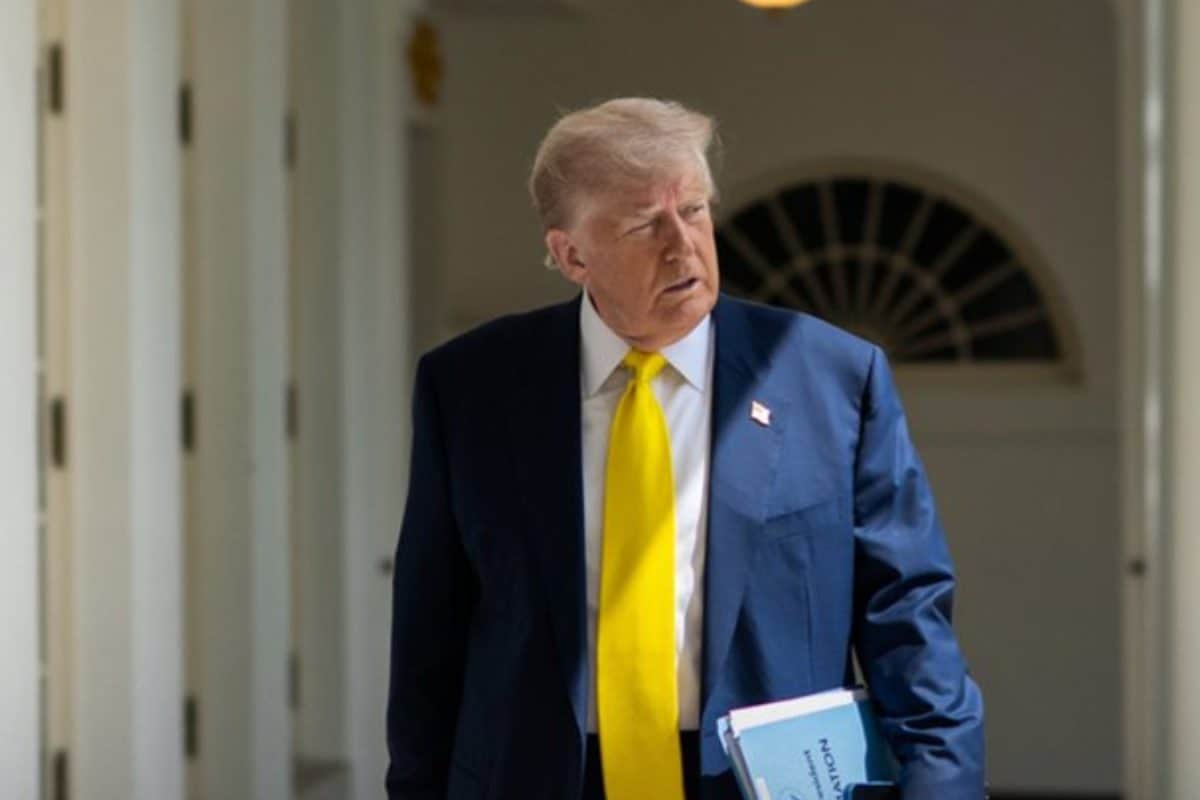
In a controversial move, former President Donald Trump's administration planned to redirect millions of dollars in anti-terrorism funding away from Democratic-led states, favoring Republican-led ones. This decision has sparked intense legal battles and raised questions about the politicization of national security.
The proposed funding shift, revealed through official records, would have seen states like New York and California lose substantial financial support for their anti-terror efforts. These states, known for their diverse populations and iconic landmarks, have historically been significant recipients of such funding due to their high-profile status as potential terror targets. However, the Trump administration's plan could have resulted in a 90% reduction in funding for New York City alone, according to a lawsuit filed by the state's attorney general. This drastic cut would have impacted the city's ability to maintain its robust security infrastructure, potentially leaving it more vulnerable to attacks.
The lawsuit further alleges that the Trump administration's decision was not based on risk assessment but on political allegiance. It claims that the funding shift was a form of retaliation against Democratic-led states, many of which have challenged the former president's policies. This accusation is particularly concerning as it suggests a potential compromise of national security for political gain. The lawsuit has gained traction, with a federal judge blocking the funding reallocation, citing the potential for "irreparable harm" to the affected states.
As the legal battle continues, the fate of these anti-terror funds remains uncertain. The case highlights the delicate balance between politics and security, leaving many to question whether such critical funding decisions should be shielded from partisan influence.
Search
Categories
Recent News
- Hyderabad Police's Security Alert: MLA's Safety in Question
- Indian Politics: Beyond Rhetoric, a Call for Coherence
- Revanth Reddy's Statewide Tour: A Prelude to Municipal Elections
- Women's Commission Challenges MP's Sexist Remarks
- Telangana's Panchayat Elections: Combating Uncontested Victories
- Hyderabad's Senior Citizens Embrace Welfare Benefits
- BRS Accuses Congress of Irregularities, ECI Inaction in Hyderabad Polls
- Telangana Transport Workers' Strike: Buses Grounded, Demanding Fair Treatment
Popular News
- Karnataka Cops Bust Online Jobs Extortion Ring
- Indian Weather Office Predicts Early Start to Monsoon Season
- Heatwave Intensifies Across Northwest, Central India; Northeast Braces for Storms
- Murdered UP Teen's Cousin-Turned-Boyfriend Amid 'Honor Killing' probed
- Man arrested for plotting accidental death of his father