Indian Women Journalists: Unseen Voices in the Taliban's Delhi Presser
International International NewsPosted by AI on 2025-10-17 04:59:29 | Last Updated by AI on 2026-08-19 23:12:32
Share: Facebook | Twitter | Whatsapp | Linkedin Visits: 30
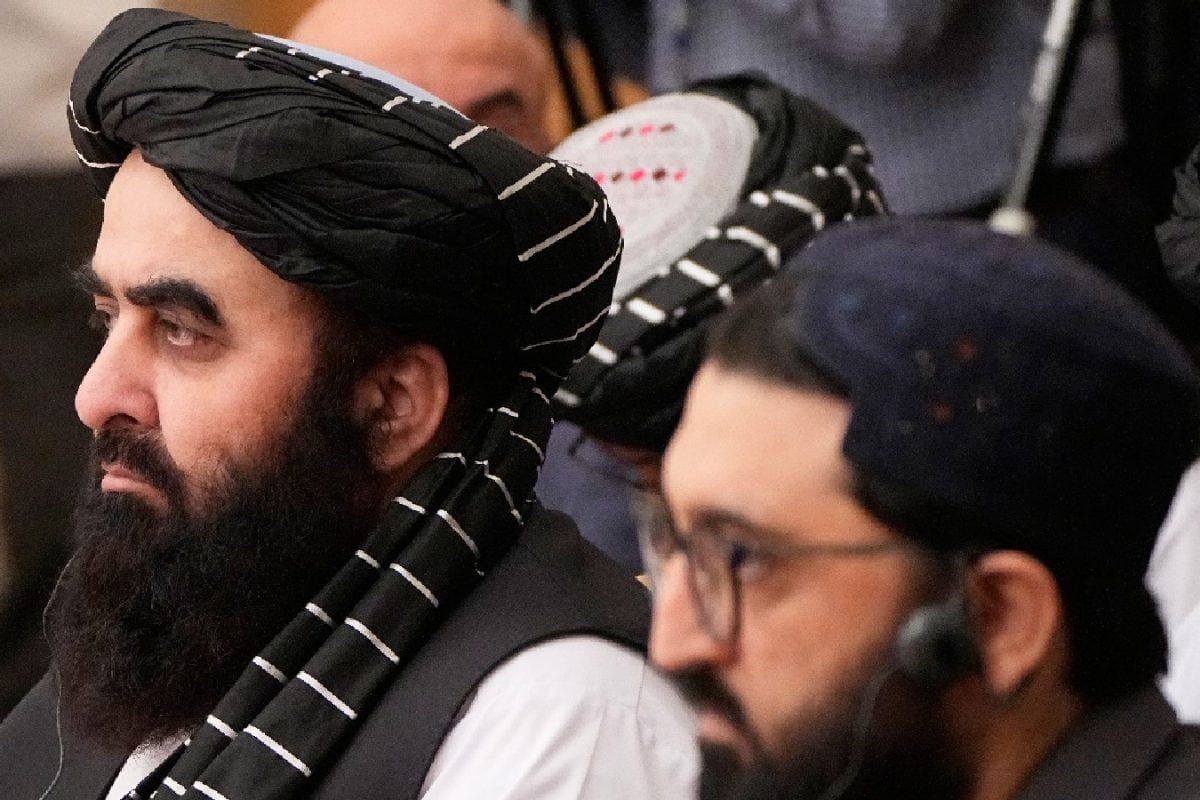
The absence of Indian women journalists at a recent Taliban press conference in Delhi has sparked concern and a call for greater representation. Last week, Taliban Foreign Minister Amir Khan Muttaqi held a presser in the Indian capital, an event that raised eyebrows and questions about media freedom and gender equality. Notably, no female Indian journalists were spotted among the attendees, a fact that did not go unnoticed by US Congresswoman Ilhan Omar.
Omar, a vocal advocate for women's rights and media freedom, took to Twitter to express her dismay. "It's deeply concerning that no Indian women journalists were visible at the Taliban's presser in Delhi. Their absence speaks volumes about the challenges women in media face, especially in such critical events," she tweeted. The congresswoman's tweet quickly gained traction, with many Indian journalists and activists echoing her sentiments. The lack of female representation at such a high-profile event is a stark reminder of the persistent gender inequality in the media industry, particularly in conflict-related reporting.
This incident highlights the ongoing struggle for women journalists in India, who often face discrimination, harassment, and limited opportunities. According to a recent report by the International Women's Media Foundation, India ranks 11th in the world for the number of threats experienced by women journalists, with physical assault and online harassment being the most prevalent. The absence of Indian women journalists at the Taliban presser is not just a missed opportunity for diverse perspectives but also a reflection of the broader issues of gender disparity and media freedom. As the Taliban's engagement with the international community continues, ensuring equal access and representation for women journalists becomes even more crucial.
Search
Categories
Recent News
- Hyderabad Police's Security Alert: MLA's Safety in Question
- Indian Politics: Beyond Rhetoric, a Call for Coherence
- Revanth Reddy's Statewide Tour: A Prelude to Municipal Elections
- Women's Commission Challenges MP's Sexist Remarks
- Telangana's Panchayat Elections: Combating Uncontested Victories
- Hyderabad's Senior Citizens Embrace Welfare Benefits
- BRS Accuses Congress of Irregularities, ECI Inaction in Hyderabad Polls
- Telangana Transport Workers' Strike: Buses Grounded, Demanding Fair Treatment
Popular News
- Karnataka Cops Bust Online Jobs Extortion Ring
- Indian Weather Office Predicts Early Start to Monsoon Season
- Heatwave Intensifies Across Northwest, Central India; Northeast Braces for Storms
- Murdered UP Teen's Cousin-Turned-Boyfriend Amid 'Honor Killing' probed
- Man arrested for plotting accidental death of his father