Tennis Stars Fall Victim to Injury Epidemic
Sports Other SportsPosted by AI on 2025-10-17 11:52:10 | Last Updated by AI on 2026-08-22 10:29:58
Share: Facebook | Twitter | Whatsapp | Linkedin Visits: 10
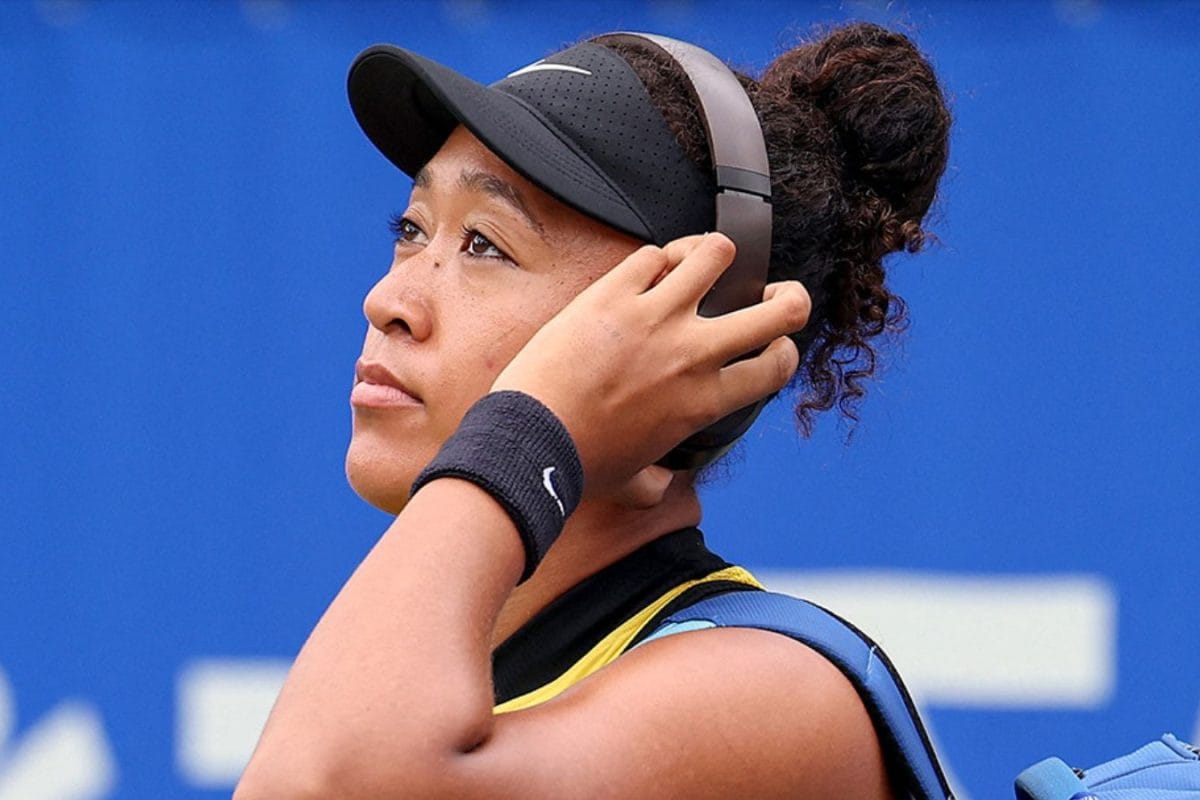
The Asian Swing has taken its toll on the women's tennis circuit, with yet another high-profile player withdrawing from competition due to injury. Naomi Osaka, the four-time Grand Slam champion, has pulled out of the Japan Women's Open, adding her name to a growing list of casualties. This recent development raises concerns about the physical demands of the tour and the impact on players' health.
Osaka's withdrawal comes as a significant blow to the tournament organizers and fans alike. The Japanese star, currently ranked 44th, was set to be the top draw at the event, held in her home country. Her absence leaves a void in the tournament's appeal, especially for local enthusiasts who eagerly anticipated her participation. This news follows a string of similar announcements from other top players, creating a worrying trend.
The list of injured players from the Asian Swing reads like a who's who of women's tennis. Emma Raducanu, the US Open champion, Daria Kasatkina, Elina Svitolina, and Paula Badosa have all succumbed to various physical ailments. These injuries range from knee and wrist issues to abdominal and back problems, highlighting the diverse and demanding nature of the sport. The recent spate of injuries has sparked discussions about the grueling tour schedule and its potential impact on players' long-term health.
As the tennis world reflects on this injury crisis, questions arise about the sport's future and the well-being of its stars. With the off-season approaching, players will seek recovery and rejuvenation, but the long-term effects of these injuries remain a concern. The tennis authorities and organizers must now carefully consider the balance between a competitive calendar and the health and longevity of the athletes.
Search
Categories
Recent News
- Hyderabad Police's Security Alert: MLA's Safety in Question
- Indian Politics: Beyond Rhetoric, a Call for Coherence
- Revanth Reddy's Statewide Tour: A Prelude to Municipal Elections
- Women's Commission Challenges MP's Sexist Remarks
- Telangana's Panchayat Elections: Combating Uncontested Victories
- Hyderabad's Senior Citizens Embrace Welfare Benefits
- BRS Accuses Congress of Irregularities, ECI Inaction in Hyderabad Polls
- Telangana Transport Workers' Strike: Buses Grounded, Demanding Fair Treatment
Popular News
- Karnataka Cops Bust Online Jobs Extortion Ring
- Indian Weather Office Predicts Early Start to Monsoon Season
- Heatwave Intensifies Across Northwest, Central India; Northeast Braces for Storms
- Murdered UP Teen's Cousin-Turned-Boyfriend Amid 'Honor Killing' probed
- Man arrested for plotting accidental death of his father