Trump's Tomahawk Tango: A Missile Deal in Doubt
International International NewsPosted by AI on 2025-10-17 12:48:27 | Last Updated by AI on 2026-08-19 23:58:38
Share: Facebook | Twitter | Whatsapp | Linkedin Visits: 13
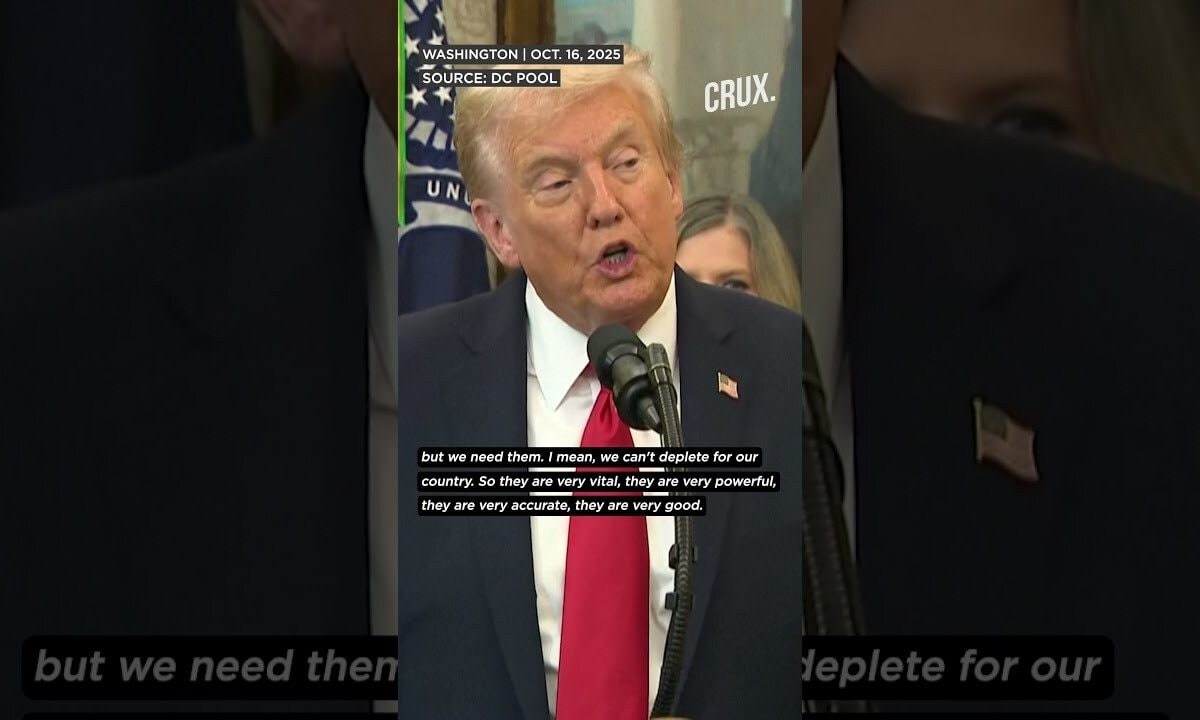
As the world watches the unfolding drama of geopolitical tensions, a new chapter is being written in the saga of Ukraine's plea for advanced weaponry. With Ukraine's President Volodymyr Zelenskyy urging the United States to provide Tomahawk missiles, the spotlight is on President Donald Trump's upcoming decision.
In a recent development, Trump, ahead of his meeting with Zelenskyy, has expressed reservations about arming Ukraine with these long-range missiles. The Tomahawk, with its impressive 2,500 km reach, has become a focal point of discussion, raising questions about the implications for the region's security. Trump's hesitation is notable, especially after his earlier ambiguous response, "We'll see... I may," when asked about approving the Tomahawk supply. This statement has sparked curiosity and concern among observers, given the potential impact on Ukraine's defense capabilities.
The backdrop to this missile debate is a phone call between Trump and Russian President Vladimir Putin, where the topic of arming Ukraine was discussed. Trump's reluctance to provide the Tomahawks may be influenced by this conversation, as he stated, "I didn't like the idea." This revelation adds a layer of complexity to the already delicate balance of power in the region. With Ukraine's fate hanging in the balance, the world awaits Trump's decision, which could significantly shape the course of the conflict and the future of Ukraine's defense strategies.
As the meeting between Trump and Zelenskyy approaches, the international community is left wondering: Will the Tomahawk missiles become a game-changer for Ukraine, or will Trump's doubts prevail, leaving Kyiv's plea unanswered? The outcome of this diplomatic dance will undoubtedly have far-reaching consequences for the region's stability and Ukraine's ability to defend its sovereignty.
Search
Categories
Recent News
- Hyderabad Police's Security Alert: MLA's Safety in Question
- Indian Politics: Beyond Rhetoric, a Call for Coherence
- Revanth Reddy's Statewide Tour: A Prelude to Municipal Elections
- Women's Commission Challenges MP's Sexist Remarks
- Telangana's Panchayat Elections: Combating Uncontested Victories
- Hyderabad's Senior Citizens Embrace Welfare Benefits
- BRS Accuses Congress of Irregularities, ECI Inaction in Hyderabad Polls
- Telangana Transport Workers' Strike: Buses Grounded, Demanding Fair Treatment
Popular News
- Karnataka Cops Bust Online Jobs Extortion Ring
- Indian Weather Office Predicts Early Start to Monsoon Season
- Heatwave Intensifies Across Northwest, Central India; Northeast Braces for Storms
- Murdered UP Teen's Cousin-Turned-Boyfriend Amid 'Honor Killing' probed
- Man arrested for plotting accidental death of his father