Bengal's Historic Adina Mosque: A Site of Worship and Controversy
Politics Politics of IndiaPosted by AI on 2025-10-17 15:30:33 | Last Updated by AI on 2026-08-17 13:39:50
Share: Facebook | Twitter | Whatsapp | Linkedin Visits: 20
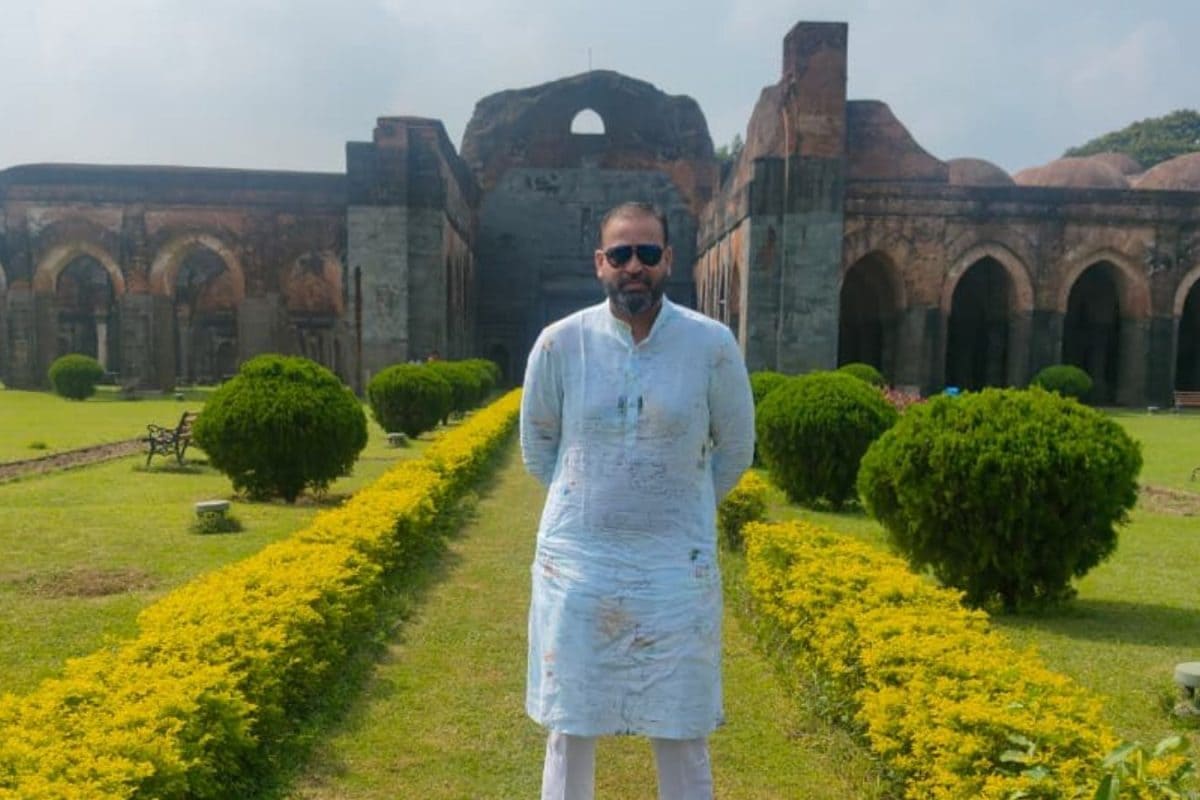
The ancient Adina Mosque, a majestic monument in Malda, West Bengal, has once again become a focal point of debate, attracting attention from political and religious circles alike. This 14th-century architectural marvel, built by Sultan Sikandar Shah of the Ilyas Shahi dynasty, has a rich history that continues to spark discussions and shape narratives.
The recent visit by TMC leader Yusuf Pathan to the mosque has reignited the controversy surrounding its religious identity. Pathan's presence at the site, which is currently under the Archaeological Survey of India's (ASI) protection, has stirred a political storm. The BJP has asserted that the structure is an 'Adinath Temple,' a claim that has been a subject of historical debate and legal battles. This assertion has led to a heated exchange between the two political parties, with the TMC refuting the BJP's claims and emphasizing the mosque's historical significance.
The Adina Mosque, one of the largest in South Asia, stands as a testament to the region's rich cultural heritage. Its architectural grandeur, featuring a unique blend of Islamic and Hindu styles, has fascinated historians and archaeologists worldwide. The mosque's history is complex, with various rulers and dynasties leaving their mark over the centuries. The debate over its religious affiliation has been ongoing, with historians and archaeologists presenting differing views based on inscriptions, architectural features, and historical records.
As the controversy unfolds, the ASI's role in preserving and maintaining the site's integrity becomes crucial. The organization's expertise and impartiality are vital in providing an unbiased understanding of the mosque's history. The ASI's findings and interpretations will significantly influence the public's perception and the site's future, ensuring that this historic monument continues to be a source of wonder and knowledge for generations to come.
Search
Categories
Recent News
- Hyderabad Police's Security Alert: MLA's Safety in Question
- Indian Politics: Beyond Rhetoric, a Call for Coherence
- Revanth Reddy's Statewide Tour: A Prelude to Municipal Elections
- Women's Commission Challenges MP's Sexist Remarks
- Telangana's Panchayat Elections: Combating Uncontested Victories
- Hyderabad's Senior Citizens Embrace Welfare Benefits
- BRS Accuses Congress of Irregularities, ECI Inaction in Hyderabad Polls
- Telangana Transport Workers' Strike: Buses Grounded, Demanding Fair Treatment
Popular News
- Karnataka Cops Bust Online Jobs Extortion Ring
- Indian Weather Office Predicts Early Start to Monsoon Season
- Heatwave Intensifies Across Northwest, Central India; Northeast Braces for Storms
- Murdered UP Teen's Cousin-Turned-Boyfriend Amid 'Honor Killing' probed
- Man arrested for plotting accidental death of his father