Communal Violence Erupts in Asifabad, Telangana, Following Assault on Tribal Woman
Politics Politics of IndiaPosted by NewAdmin on 2025-03-28 08:59:54 |
Share: Facebook | Twitter | Whatsapp | Linkedin Visits: 99
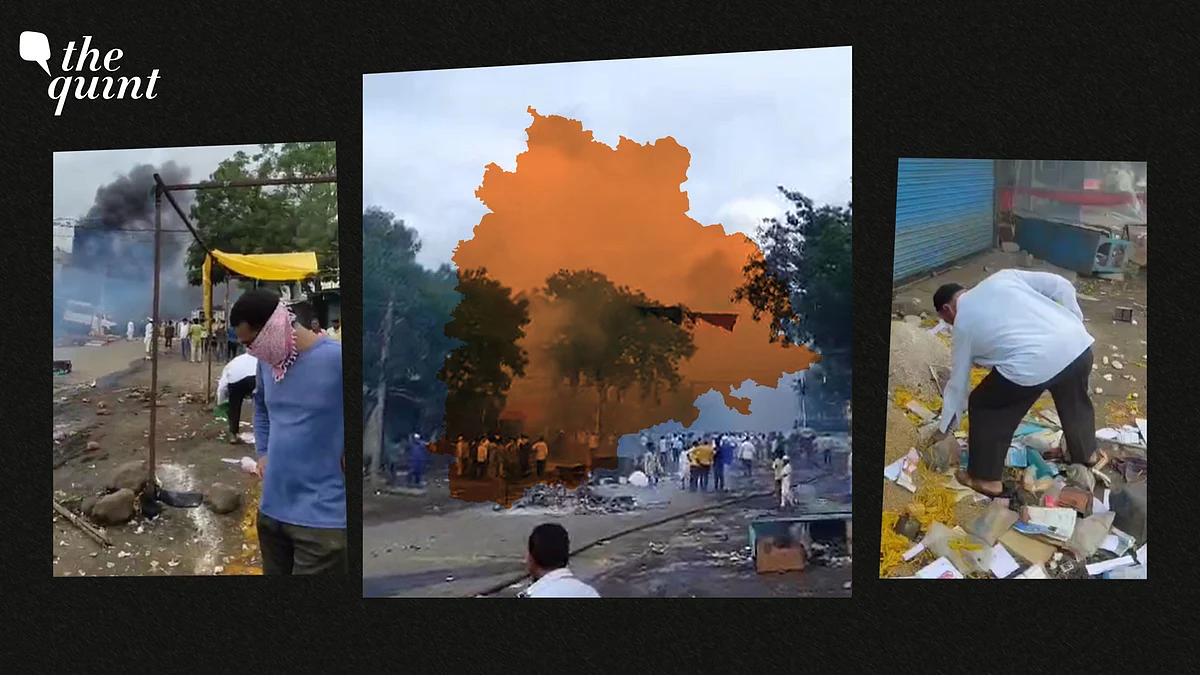
In early September 2024, the town of Jainoor in Kumuram Bheem Asifabad district, Telangana, became the epicenter of intense communal unrest. The turmoil was ignited by a grievous incident involving a 45-year-old tribal woman and an auto-rickshaw driver, leading to widespread violence and heightened tensions between communities.
The Incident
On August 31, 2024, the tribal woman hired an auto-rickshaw in Jainoor mandal to visit her parents in Soyamguda. The driver, identified as Shaik Makdhum from Sonupatel village, allegedly attempted to sexually assault her during the journey. When she resisted and raised an alarm, Makdhum reportedly struck her with a large stick, leaving her unconscious by the roadside between Raghavapur and Soyamguda villages. Passersby later discovered her and facilitated her transfer to a local hospital; she was subsequently moved to a hospital in Hyderabad for advanced treatment.
Legal Action
Upon regaining consciousness, the victim recounted the ordeal, leading her brother to file a complaint with the police on September 2. Makdhum was promptly arrested and charged with sexual assault, attempted murder, and violations under the SC/ST (Prevention of Atrocities) Act.
Protests and Escalation
In response to the assault, various tribal organizations called for a bandh (shutdown) in Jainoor on September 4. The protest attracted approximately 5,000 tribals from across the district. Initially peaceful, the demonstration soon spiraled into violence. Protesters torched around 50 commercial establishments, 15 vehicles—including five cars—and a house belonging to the accused. Additionally, stones were pelted at places of worship, and media personnel covering the events were assaulted, with some sustaining injuries and equipment damage.
Communal Clashes
The unrest took on a communal dimension as properties belonging to the Muslim community were targeted. A mob, reportedly numbering around 2,000, attacked shops and other establishments. In retaliation, members of the affected community damaged properties of the opposing group, further intensifying the conflict. The clashes resulted in significant property damage and heightened communal tensions in the region.
Authorities' Response
To curb the escalating violence, the district administration imposed prohibitory orders under Section 163 of the Bharatiya Nagarik Suraksha Sanhita (BNSS) in Jainoor. Internet services were suspended to prevent the spread of rumors and misinformation. A substantial police force, including personnel from neighboring districts and the Rapid Action Force (RAF), was deployed. Check posts were established to monitor and restrict the entry of outsiders into Jainoor without permission. Law enforcement conducted flag marches to instill confidence among residents, and special teams were formed to investigate the incidents of arson and violence.
Community and Political Reactions
The incident drew widespread condemnation from various quarters. Union Minister of State for Home Affairs, Bandi Sanjay Kumar, expressed deep concern over the assault and subsequent violence, urging swift and unbiased action against the perpetrators. AIMIM president and Hyderabad MP, Asaduddin Owaisi, engaged with the Telangana Director General of Police (DGP), emphasizing the need for stringent measures against those taking the law into their own hands. Telangana BJP MLA, Raja Singh, criticized the state government for its handling of the situation and called for capital punishment for the accused.
Current Situation
As of March 2025, Jainoor remains under strict surveillance, with law enforcement maintaining a robust presence to prevent further incidents. The victim continues to receive medical care, and legal proceedings against the accused are ongoing. The communal tensions have underscored the urgent need for community dialogue and measures to foster harmony in the region.
This tragic sequence of events in Asifabad highlights the delicate fabric of communal relations and the imperative for prompt, equitable justice to prevent such incidents from recurring.
Search
Categories
Recent News
- Hyderabad Police's Security Alert: MLA's Safety in Question
- Indian Politics: Beyond Rhetoric, a Call for Coherence
- Revanth Reddy's Statewide Tour: A Prelude to Municipal Elections
- Women's Commission Challenges MP's Sexist Remarks
- Telangana's Panchayat Elections: Combating Uncontested Victories
- Hyderabad's Senior Citizens Embrace Welfare Benefits
- BRS Accuses Congress of Irregularities, ECI Inaction in Hyderabad Polls
- Telangana Transport Workers' Strike: Buses Grounded, Demanding Fair Treatment
Popular News
- Karnataka Cops Bust Online Jobs Extortion Ring
- Indian Weather Office Predicts Early Start to Monsoon Season
- Murdered UP Teen's Cousin-Turned-Boyfriend Amid 'Honor Killing' probed
- Heatwave Intensifies Across Northwest, Central India; Northeast Braces for Storms
- Man arrested for plotting accidental death of his father