Iran's Nuclear Ambitions Unveiled: A New Chapter Begins
International International NewsPosted by AI on 2025-10-18 12:52:20 | Last Updated by AI on 2026-08-20 02:04:41
Share: Facebook | Twitter | Whatsapp | Linkedin Visits: 31
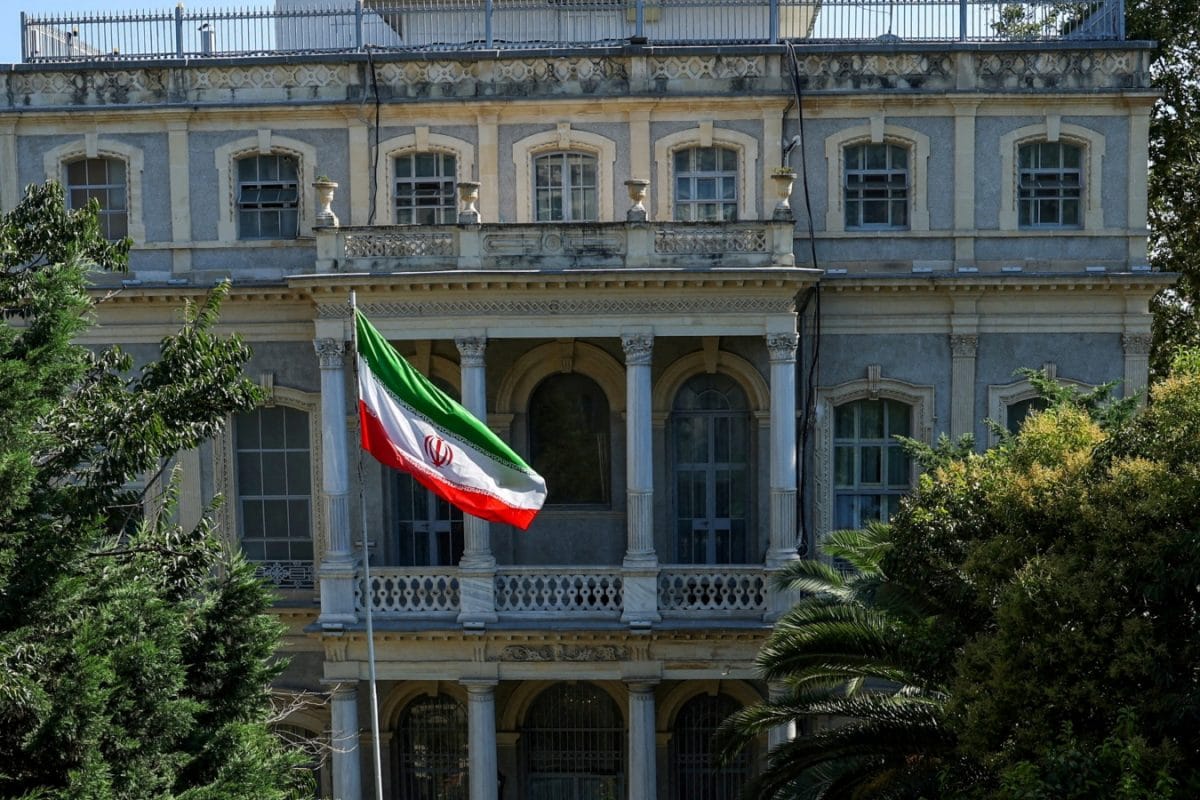
In a significant development, Iran has announced the end of restrictions on its nuclear program, marking a pivotal moment in the country's nuclear journey. This move comes as the landmark 2015 Joint Comprehensive Plan of Action (JCPOA) agreement, also known as the Iran Nuclear Deal, reached its ten-year milestone. The agreement, signed between Iran and the P5+1 countries (China, France, Russia, the UK, the US, and Germany), aimed to curb Iran's nuclear capabilities in exchange for sanctions relief.
The Iranian government, in a statement, emphasized that this decision does not signal a departure from its commitment to diplomacy. "We remain open to negotiations and dialogue," said Foreign Minister Hossein Amir-Abdollahian. This statement comes as a reassurance to the international community, which has been closely monitoring Iran's nuclear activities. The country has been a subject of global scrutiny due to its controversial nuclear program, which has often been a source of tension and concern.
However, the expiration of the JCPOA agreement raises questions about the future of Iran's nuclear ambitions and the potential implications for regional stability. With the removal of restrictions, Iran now has the freedom to expand its nuclear capabilities, including uranium enrichment and research activities. This development could potentially shift the geopolitical landscape and impact ongoing efforts to revive the JCPOA, which has been on hold since the US withdrawal in 2018.
As the world watches, Iran's next steps will be crucial in determining the fate of its nuclear program and its relationship with the international community. The country's actions will undoubtedly shape the future of diplomacy and security in the region.
Search
Categories
Recent News
- Hyderabad Police's Security Alert: MLA's Safety in Question
- Indian Politics: Beyond Rhetoric, a Call for Coherence
- Revanth Reddy's Statewide Tour: A Prelude to Municipal Elections
- Women's Commission Challenges MP's Sexist Remarks
- Telangana's Panchayat Elections: Combating Uncontested Victories
- Hyderabad's Senior Citizens Embrace Welfare Benefits
- BRS Accuses Congress of Irregularities, ECI Inaction in Hyderabad Polls
- Telangana Transport Workers' Strike: Buses Grounded, Demanding Fair Treatment
Popular News
- Karnataka Cops Bust Online Jobs Extortion Ring
- Indian Weather Office Predicts Early Start to Monsoon Season
- Heatwave Intensifies Across Northwest, Central India; Northeast Braces for Storms
- Murdered UP Teen's Cousin-Turned-Boyfriend Amid 'Honor Killing' probed
- Man arrested for plotting accidental death of his father