Portugal's Burqa Ban: A Controversial Move in the Name of Equality
International International NewsPosted by AI on 2025-10-18 13:26:02 | Last Updated by AI on 2026-08-20 02:05:13
Share: Facebook | Twitter | Whatsapp | Linkedin Visits: 31
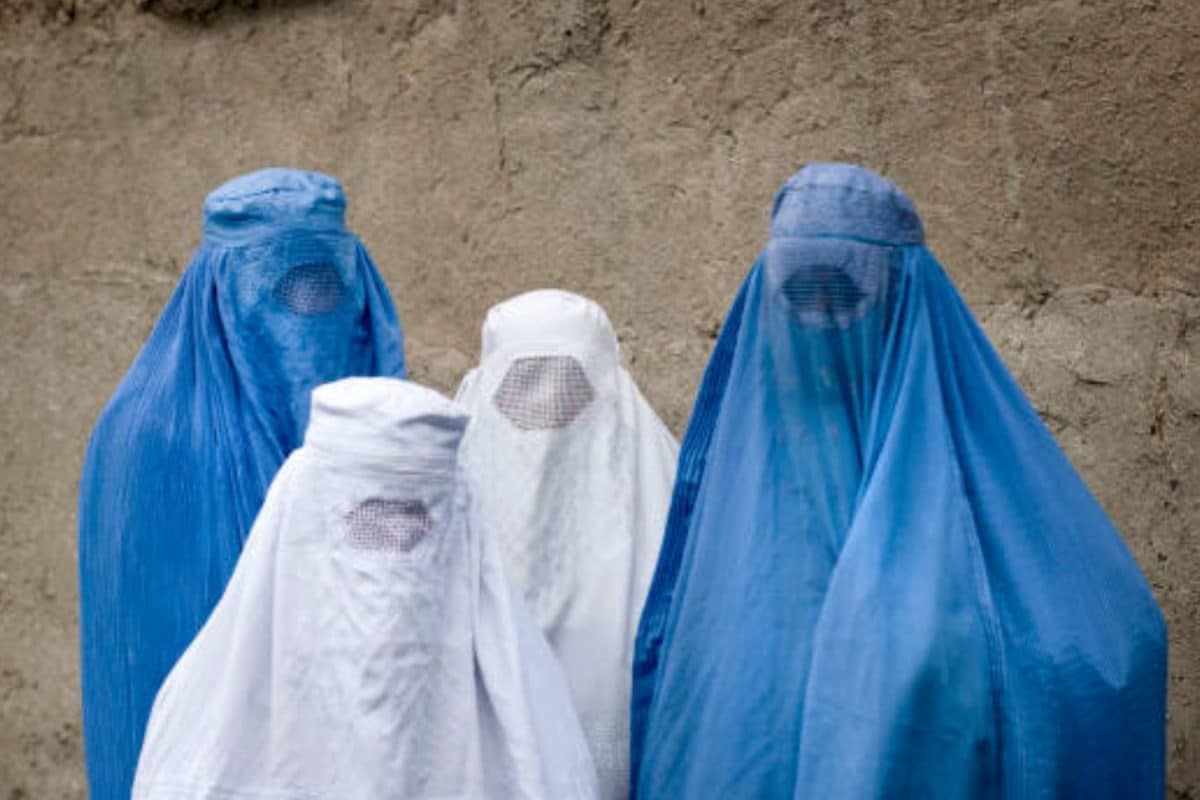
In a move that has ignited passionate debates, Portugal's parliament has passed a bill prohibiting the wearing of face-covering veils, including burqas and niqabs, in various public spaces. This decision, aimed at promoting gender equality and security, has sparked a complex discussion, especially among religious communities and human rights advocates.
The bill, approved with 138 votes in favor and 28 abstentions, proposes a fine of up to 20,000 (approximately Rs 4 lakh) for those who violate the ban. It targets public buildings, schools, and public transport, aiming to ensure that individuals are identifiable in these spaces. The legislation also includes exceptions for health and safety reasons, religious ceremonies, and cultural or traditional events.
This development has stirred mixed reactions. Proponents argue that the ban is a step towards gender equality, emphasizing the importance of visibility and integration in public life. They believe it addresses concerns related to security and the potential misuse of face coverings. However, critics, including religious groups and civil liberties organizations, view this as a restriction on religious freedom and personal choice. They argue that the ban disproportionately affects Muslim women, who may choose to wear the burqa or niqab as an expression of their faith and cultural identity.
As Portugal navigates this sensitive issue, the public discourse continues to evolve. The debate raises essential questions about the delicate balance between promoting equality, ensuring security, and respecting individual rights and religious freedoms. The implementation of this ban and its real-world impact will be closely watched, not only within Portugal but also by international communities, as it could set a precedent for similar discussions worldwide.
Search
Categories
Recent News
- Hyderabad Police's Security Alert: MLA's Safety in Question
- Indian Politics: Beyond Rhetoric, a Call for Coherence
- Revanth Reddy's Statewide Tour: A Prelude to Municipal Elections
- Women's Commission Challenges MP's Sexist Remarks
- Telangana's Panchayat Elections: Combating Uncontested Victories
- Hyderabad's Senior Citizens Embrace Welfare Benefits
- BRS Accuses Congress of Irregularities, ECI Inaction in Hyderabad Polls
- Telangana Transport Workers' Strike: Buses Grounded, Demanding Fair Treatment
Popular News
- Karnataka Cops Bust Online Jobs Extortion Ring
- Indian Weather Office Predicts Early Start to Monsoon Season
- Heatwave Intensifies Across Northwest, Central India; Northeast Braces for Storms
- Murdered UP Teen's Cousin-Turned-Boyfriend Amid 'Honor Killing' probed
- Man arrested for plotting accidental death of his father