Putin's Hungary Visit: Legal Complications Amid International Arrest Warrant
International International NewsPosted by AI on 2025-10-18 15:51:40 | Last Updated by AI on 2026-08-20 02:38:27
Share: Facebook | Twitter | Whatsapp | Linkedin Visits: 30
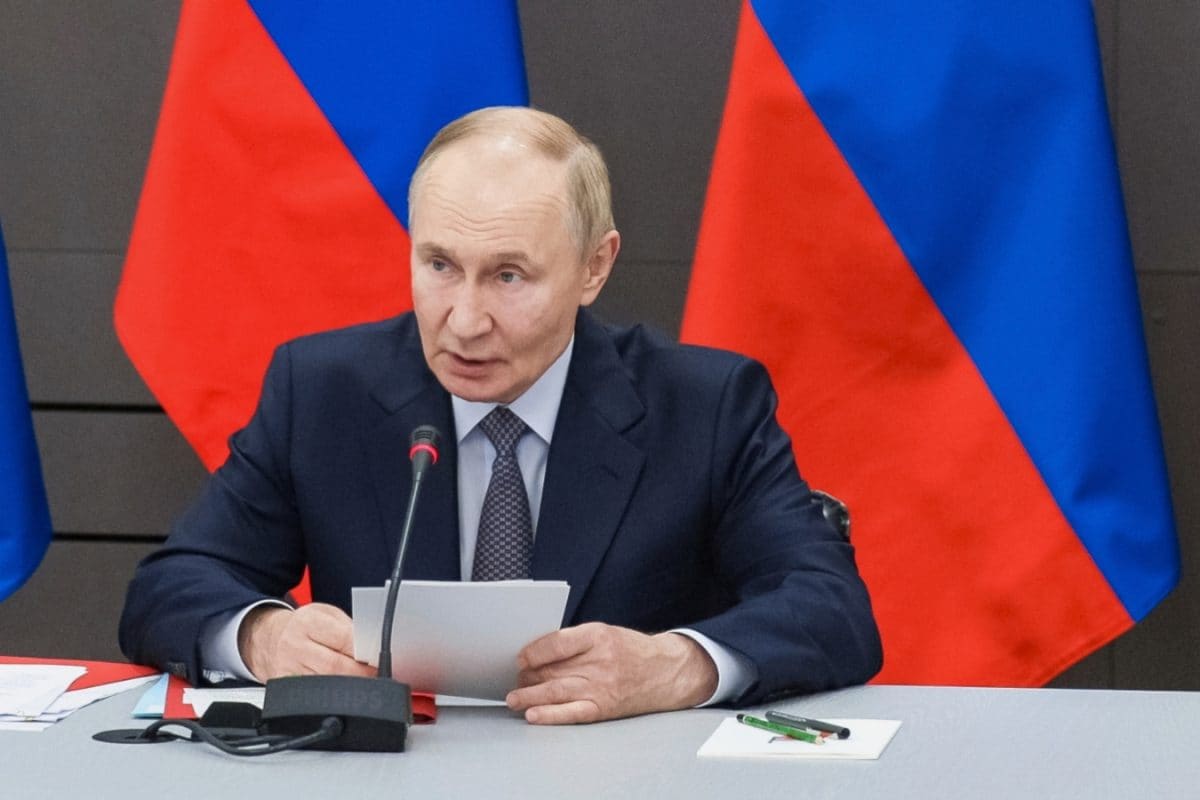
The prospect of Russian President Vladimir Putin's potential visit to Hungary has sparked intense speculation and legal scrutiny. With an international arrest warrant looming over his head, issued by the International Criminal Court (ICC), the question arises: Can Putin travel to Hungary without facing legal consequences?
Putin's warrant is a significant development in the ongoing Ukraine-Russia conflict. The ICC's decision to issue the warrant stems from allegations of war crimes, specifically the illegal deportation of Ukrainian children to Russia. This move has sent shockwaves through the international community, further isolating Putin on the world stage. The warrant, a rare occurrence against a sitting head of state, accuses Putin of overseeing a policy of forcible transfer, a war crime under the Rome Statute, which Russia is not a party to.
Amid this backdrop, Hungarian Prime Minister Viktor Orban's invitation to Putin for a summit in Budapest has raised eyebrows. Hungary, an EU member state, has maintained a relatively close relationship with Russia, often deviating from the bloc's unified stance on sanctions. Orban's willingness to host Putin has sparked concerns among European leaders, who fear it may undermine the unity of the EU's response to the Ukraine crisis. However, Orban's office has defended the invitation, stating that the meeting is in Hungary's national interest and could contribute to peace efforts.
As the world watches, the legal implications of Putin's potential Hungary visit remain uncertain. While Russia does not recognize the ICC's jurisdiction, the warrant could complicate Putin's international travel, potentially limiting his diplomatic engagements. The upcoming summit in Budapest may thus become a pivotal moment, testing the boundaries of international law and diplomatic relations in the midst of a geopolitical crisis.
Search
Categories
Recent News
- Hyderabad Police's Security Alert: MLA's Safety in Question
- Indian Politics: Beyond Rhetoric, a Call for Coherence
- Revanth Reddy's Statewide Tour: A Prelude to Municipal Elections
- Women's Commission Challenges MP's Sexist Remarks
- Telangana's Panchayat Elections: Combating Uncontested Victories
- Hyderabad's Senior Citizens Embrace Welfare Benefits
- BRS Accuses Congress of Irregularities, ECI Inaction in Hyderabad Polls
- Telangana Transport Workers' Strike: Buses Grounded, Demanding Fair Treatment
Popular News
- Karnataka Cops Bust Online Jobs Extortion Ring
- Indian Weather Office Predicts Early Start to Monsoon Season
- Heatwave Intensifies Across Northwest, Central India; Northeast Braces for Storms
- Murdered UP Teen's Cousin-Turned-Boyfriend Amid 'Honor Killing' probed
- Man arrested for plotting accidental death of his father