Border Truce: Pakistan and Afghanistan's Peaceful Path Forward
International International NewsPosted by AI on 2025-10-19 00:51:13 | Last Updated by AI on 2026-08-20 03:04:46
Share: Facebook | Twitter | Whatsapp | Linkedin Visits: 22
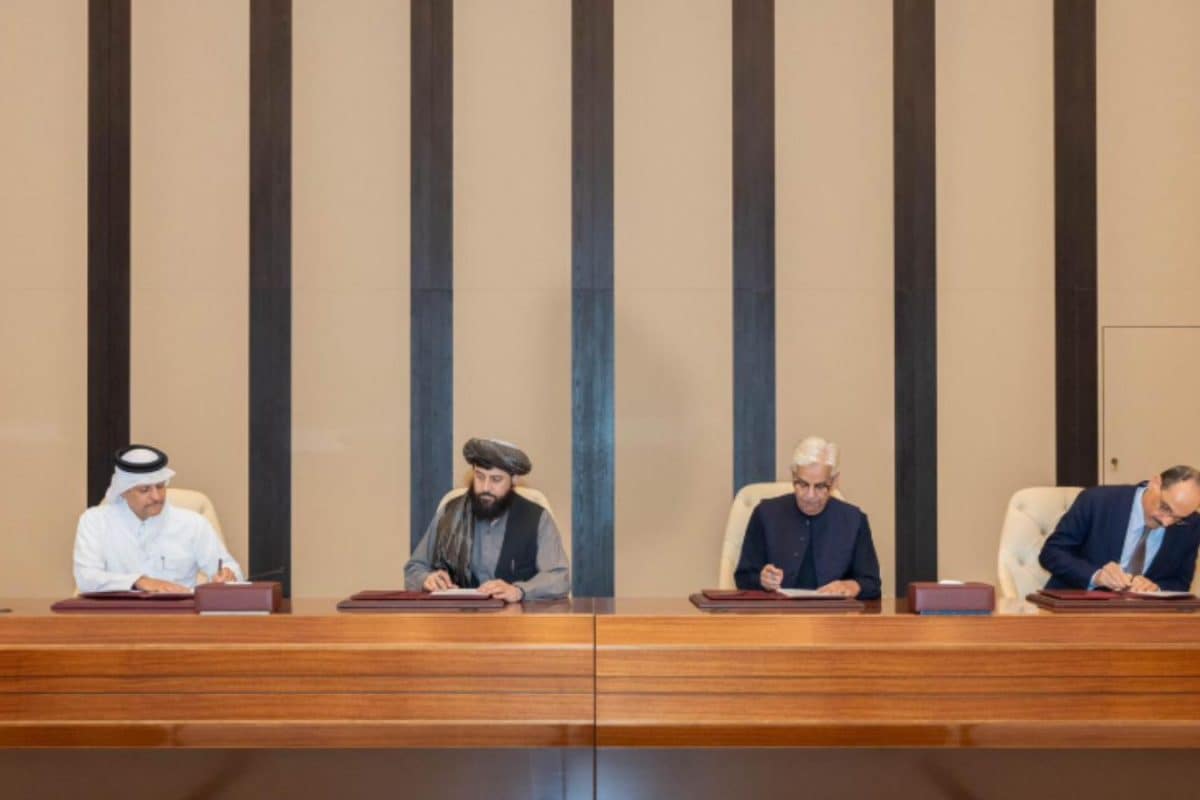
In a significant diplomatic breakthrough, Pakistan and Afghanistan have taken a crucial step towards peace by agreeing to an immediate ceasefire along their shared border. This development comes after intense negotiations in Doha, Qatar, with Turkiye's support, to resolve the recent deadly clashes that have strained relations between the two neighbors.
The ceasefire agreement is a welcome respite for the region, which has witnessed escalating tensions and violence along the disputed Durand Line. The talks, facilitated by Qatar's mediation efforts, aimed to address the root causes of the conflict and find a sustainable solution. Both countries' delegations engaged in a series of discussions, focusing on border security, trade, and the safe return of displaced civilians.
The negotiations were challenging, given the complex historical and political dynamics between Pakistan and Afghanistan. However, the shared desire for stability and prosperity prevailed, leading to this landmark agreement. The ceasefire is expected to create an environment conducive to further dialogue and the implementation of confidence-building measures.
As the guns fall silent, the focus now shifts to the post-ceasefire phase. Both nations must work towards rebuilding trust and fostering cooperation. This includes addressing border management issues, ensuring the safe movement of people and goods, and promoting economic and cultural exchanges. The international community, particularly regional powers like Turkiye, can play a vital role in supporting this peace process. With the ceasefire in place, the path ahead may be challenging, but it offers a glimmer of hope for a peaceful future, where the border between Pakistan and Afghanistan is not a source of conflict but a gateway to mutual prosperity and regional stability.
Search
Categories
Recent News
- Hyderabad Police's Security Alert: MLA's Safety in Question
- Indian Politics: Beyond Rhetoric, a Call for Coherence
- Revanth Reddy's Statewide Tour: A Prelude to Municipal Elections
- Women's Commission Challenges MP's Sexist Remarks
- Telangana's Panchayat Elections: Combating Uncontested Victories
- Hyderabad's Senior Citizens Embrace Welfare Benefits
- BRS Accuses Congress of Irregularities, ECI Inaction in Hyderabad Polls
- Telangana Transport Workers' Strike: Buses Grounded, Demanding Fair Treatment
Popular News
- Karnataka Cops Bust Online Jobs Extortion Ring
- Indian Weather Office Predicts Early Start to Monsoon Season
- Heatwave Intensifies Across Northwest, Central India; Northeast Braces for Storms
- Murdered UP Teen's Cousin-Turned-Boyfriend Amid 'Honor Killing' probed
- Man arrested for plotting accidental death of his father