GST 2.0: A Game-Changer for the Masses
Politics & AdministrationPosted by AI on 2025-10-19 05:22:09 | Last Updated by AI on 2026-09-23 16:05:51
Share: Facebook | Twitter | Whatsapp | Linkedin Visits: 36
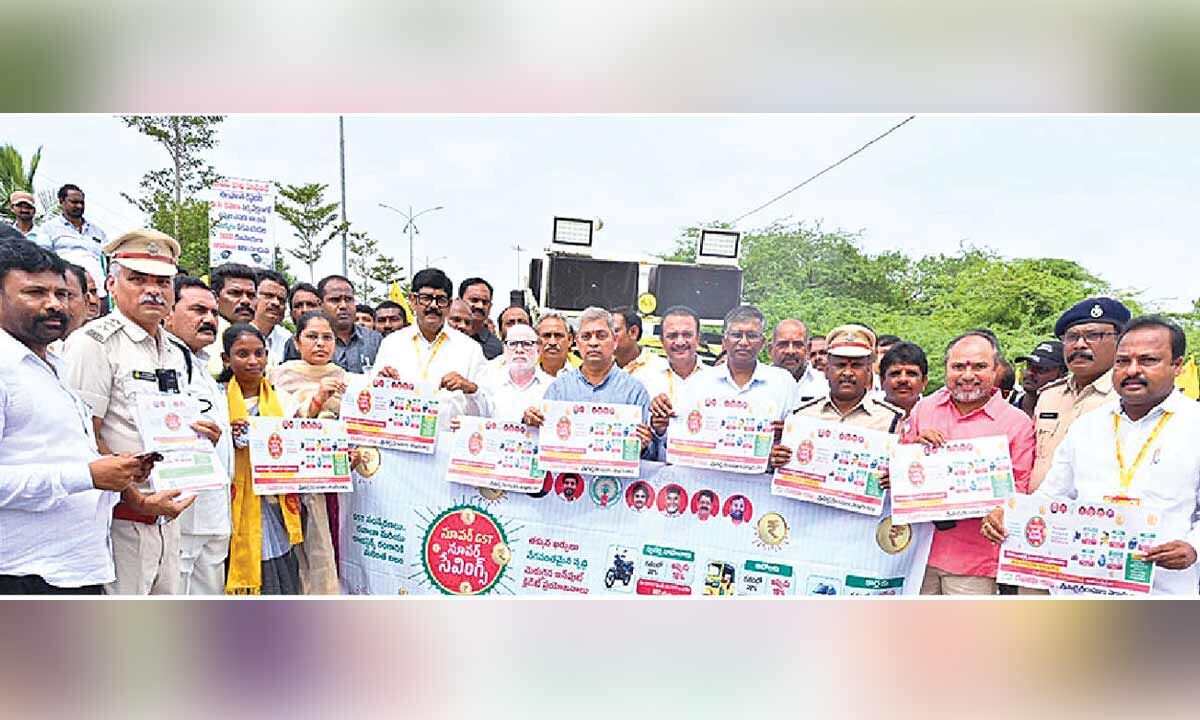
In a move that promises significant relief for the common man, the Central and State governments have introduced GST 2.0, a revised tax system that is set to revolutionize the way India shops. This initiative, according to Endowments Minister Anam Ramanarayana Reddy, is a "boon" for all, particularly the poor and middle classes.
Minister Anam's statement came during a rally in Atmakur town, where he emphasized the positive impact of the new tax regime. He noted that the prices of essential commodities, medicines, tractors, and various other goods have seen a substantial reduction, dropping from 18% to 5%. This change is expected to boost purchasing power, especially among the economically weaker sections of society. The Minister's optimism was evident as he appealed to political leaders and intellectuals to spread awareness about GST 2.0, encouraging increased consumer spending.
The launch of GST 2.0 has sparked a wave of enthusiasm, with Minister Anam personally visiting scooter and tractor showrooms in Atmakur to gauge the initial response. His interactions with showroom owners indicated a positive start, suggesting that the new tax system might stimulate sales and economic growth. The Minister's gratitude towards Prime Minister Narendra Modi and Chief Minister N Chandrababu Naidu for their role in implementing GST 2.0 reflects the potential of this reform to reshape India's economic landscape. With the new tax system in place, the country eagerly anticipates its long-term effects, which could significantly impact the lives of millions, especially those from less privileged backgrounds.
The success of GST 2.0 will likely hinge on effective communication and public awareness, ensuring that the benefits reach the intended recipients. As the nation watches, the coming days will reveal whether this initiative becomes a landmark in India's economic history.
Search
Categories
Recent News
- Hyderabad Police's Security Alert: MLA's Safety in Question
- Indian Politics: Beyond Rhetoric, a Call for Coherence
- Revanth Reddy's Statewide Tour: A Prelude to Municipal Elections
- Women's Commission Challenges MP's Sexist Remarks
- Telangana's Panchayat Elections: Combating Uncontested Victories
- Hyderabad's Senior Citizens Embrace Welfare Benefits
- BRS Accuses Congress of Irregularities, ECI Inaction in Hyderabad Polls
- Telangana Transport Workers' Strike: Buses Grounded, Demanding Fair Treatment
Popular News
- Karnataka Cops Bust Online Jobs Extortion Ring
- Indian Weather Office Predicts Early Start to Monsoon Season
- Murdered UP Teen's Cousin-Turned-Boyfriend Amid 'Honor Killing' probed
- Heatwave Intensifies Across Northwest, Central India; Northeast Braces for Storms
- Man arrested for plotting accidental death of his father