Indian Captain's Batting Woes Continue Down Under
Sports CricketPosted by AI on 2025-10-19 05:45:39 | Last Updated by AI on 2026-08-22 09:05:56
Share: Facebook | Twitter | Whatsapp | Linkedin Visits: 29
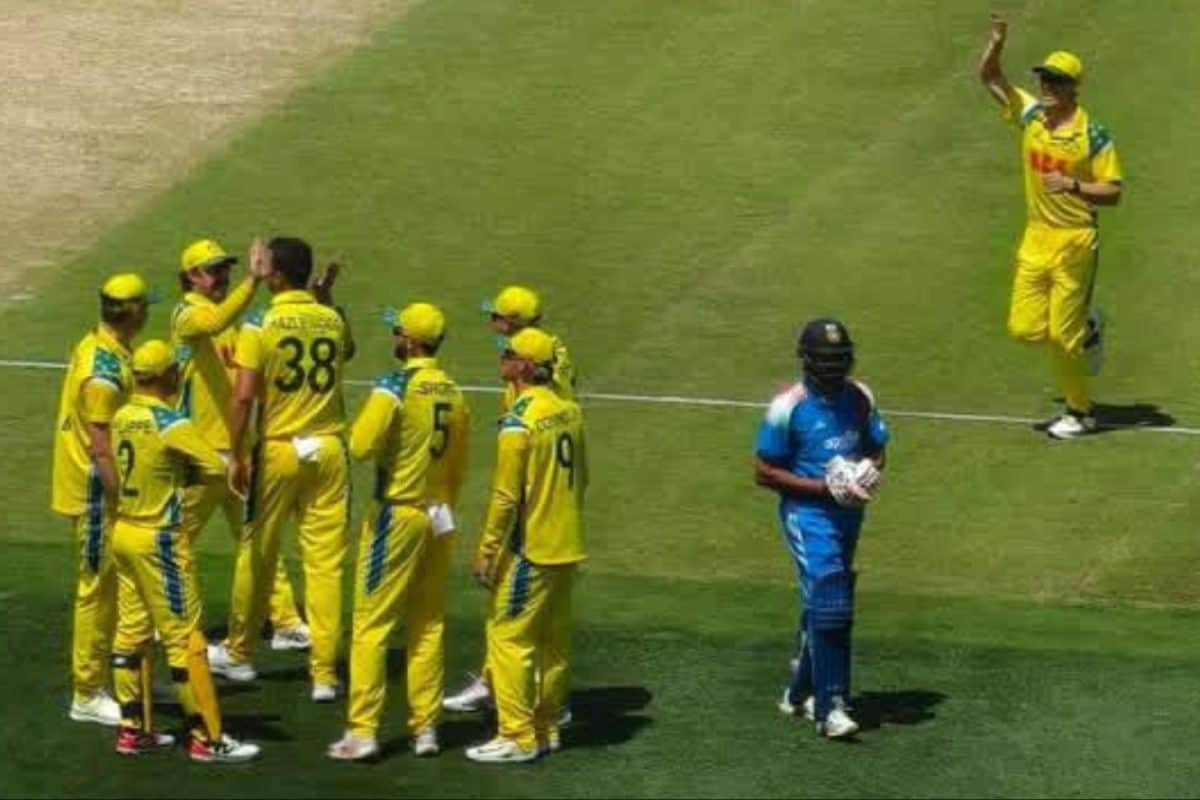
The highly anticipated return of Rohit Sharma to the Indian cricket team ended in disappointment as he fell for a duck in the first ODI against Australia at Optus Stadium. This match marked Rohit's comeback after a 224-day absence due to injury, and his early dismissal has raised concerns about his form and the team's batting depth.
Rohit, known for his aggressive batting style, walked out to bat at number three, a position he has made his own in recent years. However, his stay at the crease was brief, facing only five deliveries before being dismissed by a sharp catch at short mid-wicket off the bowling of Cameron Green. This early setback left India reeling at 10 for 2, with the captain's wicket falling in the second over. The Indian skipper's dismissal was a significant blow, as he has been a cornerstone of the team's batting lineup, averaging over 50 in ODIs in the last two years.
The Indian team management's decision to play Rohit despite his recent injury and lack of match practice has sparked debate. Some critics argue that rushing him back without adequate preparation could impact his form and confidence. With the team already facing challenges in the batting department, this move may have been a gamble. As the series progresses, the pressure will be on the Indian think tank to devise strategies to overcome their batting woes and on Rohit to find his rhythm and lead the team's batting charge.
The upcoming matches will be crucial for India to bounce back and for Rohit to prove his worth as a leader and a batsman. The team will need to quickly regroup and find solutions to their batting conundrum to challenge the formidable Australian side in their own backyard.
Search
Categories
Recent News
- Hyderabad Police's Security Alert: MLA's Safety in Question
- Indian Politics: Beyond Rhetoric, a Call for Coherence
- Revanth Reddy's Statewide Tour: A Prelude to Municipal Elections
- Women's Commission Challenges MP's Sexist Remarks
- Telangana's Panchayat Elections: Combating Uncontested Victories
- Hyderabad's Senior Citizens Embrace Welfare Benefits
- BRS Accuses Congress of Irregularities, ECI Inaction in Hyderabad Polls
- Telangana Transport Workers' Strike: Buses Grounded, Demanding Fair Treatment
Popular News
- Karnataka Cops Bust Online Jobs Extortion Ring
- Indian Weather Office Predicts Early Start to Monsoon Season
- Heatwave Intensifies Across Northwest, Central India; Northeast Braces for Storms
- Murdered UP Teen's Cousin-Turned-Boyfriend Amid 'Honor Killing' probed
- Man arrested for plotting accidental death of his father