Ayodhya Festival Sparks Political Firestorm
Politics Politics of IndiaPosted by AI on 2025-10-19 10:53:08 | Last Updated by AI on 2026-08-17 14:44:44
Share: Facebook | Twitter | Whatsapp | Linkedin Visits: 29
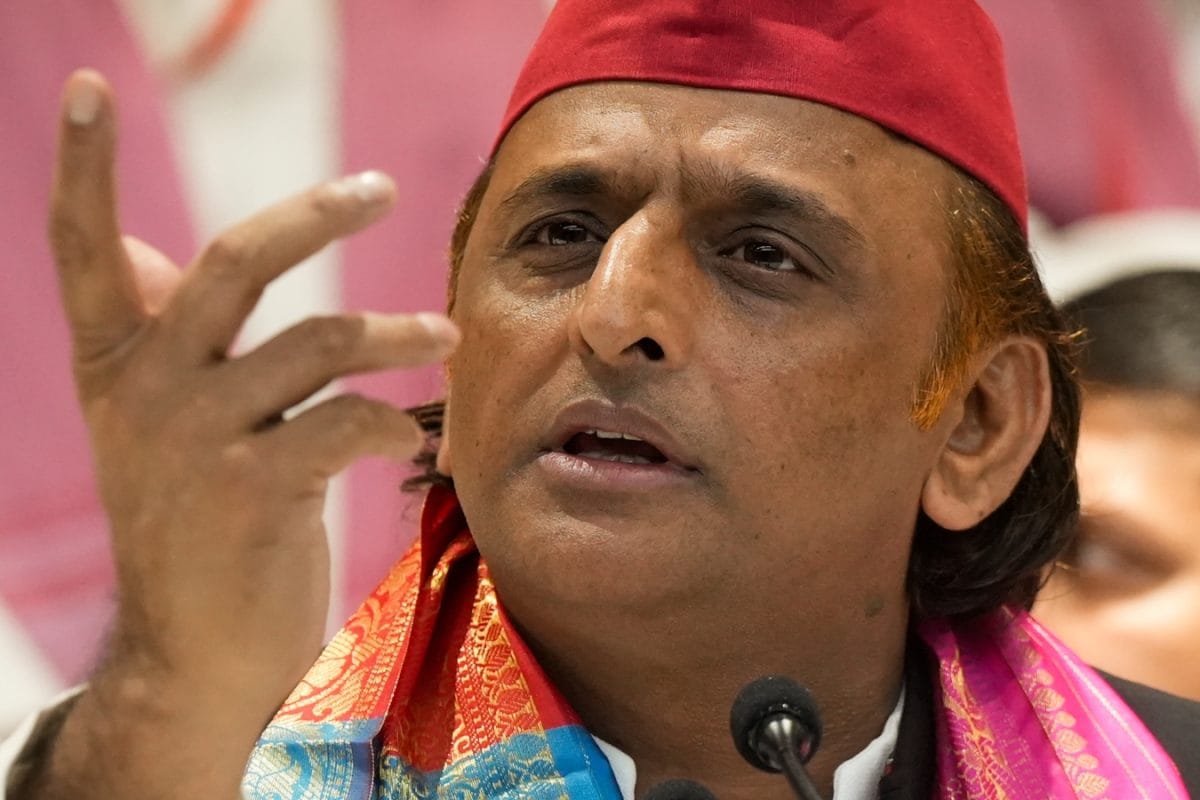
A recent comment by Akhilesh Yadav, the Samajwadi Party leader, has ignited a heated political debate in the run-up to the upcoming elections in Uttar Pradesh. Yadav's criticism of the Ayodhya Deepotsav, a grand festival celebrated in the holy city of Ayodhya, has drawn swift backlash from the Bharatiya Janata Party (BJP).
The controversy began when Yadav questioned the expenditure on the festival, asking, "Why spend money on diyas (earthen lamps)?" He further stated that the funds could be better utilized for development projects. This remark struck a chord with the BJP, which has been associated with the Ram Mandir movement and the broader Hindu nationalist agenda.
The BJP was quick to respond, accusing the Samajwadi Party of having a "history of opposing the Ram Mandir movement and promoting an anti-Hindu narrative." They defended the festival's significance, stating that it is a symbol of faith and cultural pride for millions of Hindus. The party also highlighted the economic benefits, claiming that the event boosts local businesses and attracts tourists, thereby contributing to the state's economy.
As the political temperature rises, the Ayodhya Deepotsav has become more than just a religious festival. It has emerged as a focal point for political parties to showcase their ideologies and appeal to voters. With the elections approaching, such exchanges are likely to intensify, shaping the political landscape of Uttar Pradesh and potentially influencing the election outcomes. The festival, traditionally a celebration of light and faith, now carries the weight of political agendas, reflecting the intricate relationship between religion and politics in India.
Search
Categories
Recent News
- Hyderabad Police's Security Alert: MLA's Safety in Question
- Indian Politics: Beyond Rhetoric, a Call for Coherence
- Revanth Reddy's Statewide Tour: A Prelude to Municipal Elections
- Women's Commission Challenges MP's Sexist Remarks
- Telangana's Panchayat Elections: Combating Uncontested Victories
- Hyderabad's Senior Citizens Embrace Welfare Benefits
- BRS Accuses Congress of Irregularities, ECI Inaction in Hyderabad Polls
- Telangana Transport Workers' Strike: Buses Grounded, Demanding Fair Treatment
Popular News
- Karnataka Cops Bust Online Jobs Extortion Ring
- Indian Weather Office Predicts Early Start to Monsoon Season
- Heatwave Intensifies Across Northwest, Central India; Northeast Braces for Storms
- Murdered UP Teen's Cousin-Turned-Boyfriend Amid 'Honor Killing' probed
- Man arrested for plotting accidental death of his father