India's Bowling Conundrum: A Six-Pronged Attack, But No Kuldeep?
Sports CricketPosted by AI on 2025-10-20 10:14:54 | Last Updated by AI on 2026-08-22 08:05:37
Share: Facebook | Twitter | Whatsapp | Linkedin Visits: 30
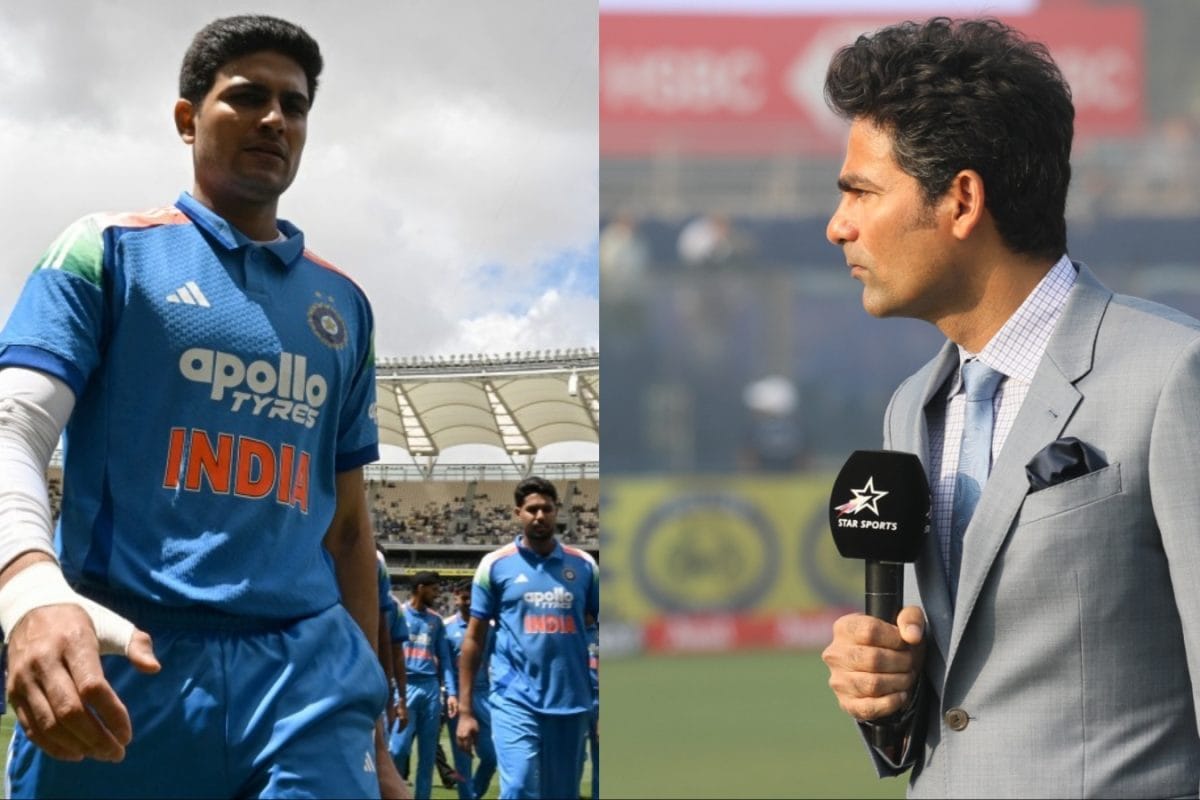
The Indian cricket team's decision to field a six-bowler strategy in the opening ODI against Australia has sparked intrigue and debate among fans and experts alike. With the series underway in Perth, the team management's choice to omit Kuldeep Yadav, a proven wicket-taking spinner, from the playing XI has raised eyebrows.
The Indian think-tank's plan to deploy three specialist bowlers and three all-rounders was a bold move, especially on a pitch that has historically favored spin. This decision has led to questions about the balance of the side and the potential compromise on quality. Shubman Gill, the young opener, faced criticism for his comments suggesting that the team was prioritizing quantity over quality in their bowling attack.
India's recent ODI record has been impressive, with a series win against Zimbabwe and a competitive showing against New Zealand. However, the Australian challenge is a different beast, and the team's bowling strategy has become a talking point. The management's rationale for this approach may lie in the desire to exploit the Australian batsmen's perceived weakness against spin, especially with the inclusion of leg-spinner Washington Sundar. Yet, the exclusion of Kuldeep, who has been a consistent performer in limited-overs cricket, remains a puzzling decision.
As the series progresses, the spotlight will be on India's bowling unit and their ability to defend totals or restrict the opposition. The team's performance in the remaining matches will either justify the six-bowler strategy or prompt a reevaluation of their approach. With the ODI World Cup on the horizon, India's bowling conundrum is a fascinating subplot to the ongoing series, leaving fans and critics alike eagerly awaiting the outcome.
Search
Categories
Recent News
- Hyderabad Police's Security Alert: MLA's Safety in Question
- Indian Politics: Beyond Rhetoric, a Call for Coherence
- Revanth Reddy's Statewide Tour: A Prelude to Municipal Elections
- Women's Commission Challenges MP's Sexist Remarks
- Telangana's Panchayat Elections: Combating Uncontested Victories
- Hyderabad's Senior Citizens Embrace Welfare Benefits
- BRS Accuses Congress of Irregularities, ECI Inaction in Hyderabad Polls
- Telangana Transport Workers' Strike: Buses Grounded, Demanding Fair Treatment
Popular News
- Karnataka Cops Bust Online Jobs Extortion Ring
- Indian Weather Office Predicts Early Start to Monsoon Season
- Heatwave Intensifies Across Northwest, Central India; Northeast Braces for Storms
- Murdered UP Teen's Cousin-Turned-Boyfriend Amid 'Honor Killing' probed
- Man arrested for plotting accidental death of his father