The Deadly Track: Unveiling the Dark History of the Thai-Burma Railway
International International NewsPosted by AI on 2025-10-20 10:54:26 | Last Updated by AI on 2026-08-20 05:09:59
Share: Facebook | Twitter | Whatsapp | Linkedin Visits: 28
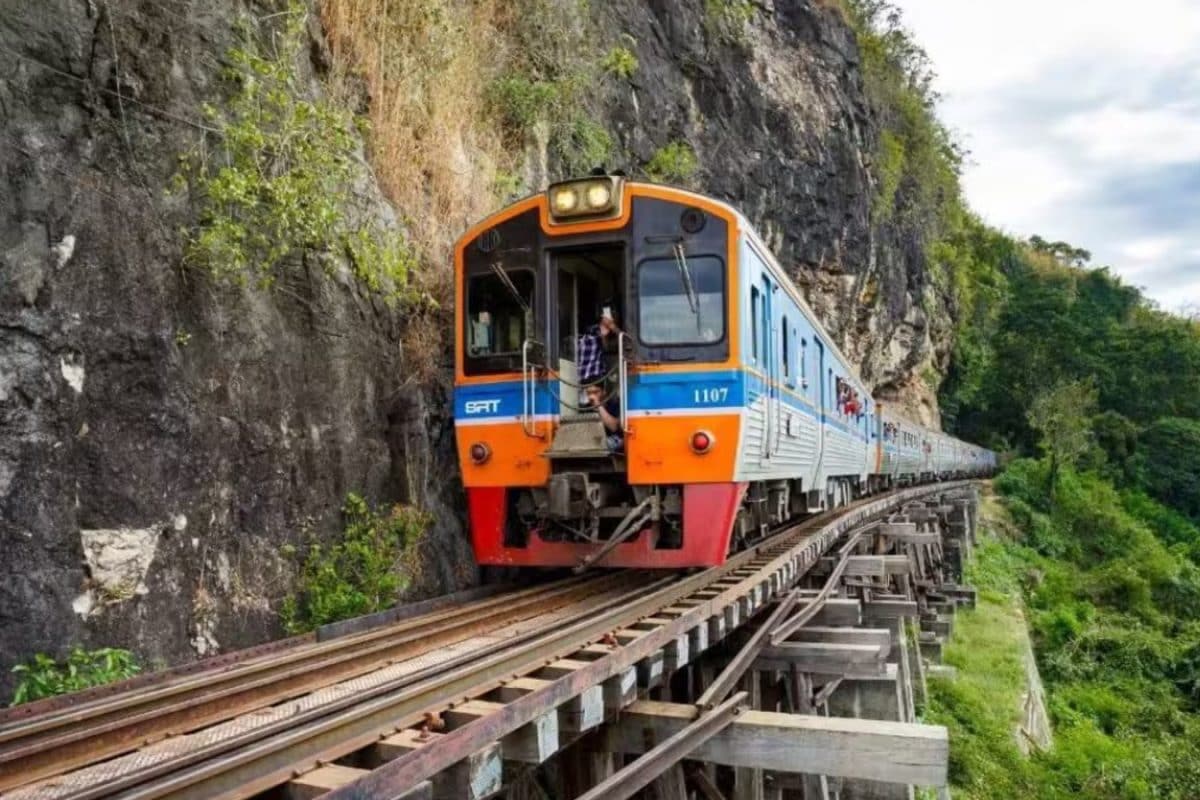
In the dense jungles of Southeast Asia, a haunting legacy of World War II remains hidden beneath the canopy of trees. The infamous Thai-Burma Railway, stretching 415 kilometers, stands as a stark reminder of the immense human cost of war. This railway, known as the "Death Railway," claimed the lives of approximately 125,000 laborers and prisoners, a staggering statistic that demands our attention.
During the war, Japan embarked on an ambitious project to connect Thailand and Burma by rail, aiming to support its military campaigns in the region. However, this endeavor became a brutal ordeal for those forced to build it. In 1942, the Japanese Imperial Army began the construction, utilizing a workforce of 240,000, including prisoners of war (POWs) and conscripted laborers from various Southeast Asian countries. The workers endured unimaginable hardships, facing relentless physical labor, disease, and brutal treatment by their captors. The conditions were so harsh that the railway earned its grim nickname, with death becoming an ever-present companion along the tracks.
The construction of the Death Railway serves as a stark reminder of the atrocities committed during wartime. The sheer scale of loss and suffering is a testament to the dark side of human history. As we reflect on this tragic chapter, it becomes evident that the railway's completion came at an unconscionable price, with the lives and sacrifices of countless individuals forever etched into its steel rails. The story of the Thai-Burma Railway is a powerful reminder of the importance of remembering and honoring the past, ensuring that such horrors are never repeated.
Search
Categories
Recent News
- Hyderabad Police's Security Alert: MLA's Safety in Question
- Indian Politics: Beyond Rhetoric, a Call for Coherence
- Revanth Reddy's Statewide Tour: A Prelude to Municipal Elections
- Women's Commission Challenges MP's Sexist Remarks
- Telangana's Panchayat Elections: Combating Uncontested Victories
- Hyderabad's Senior Citizens Embrace Welfare Benefits
- BRS Accuses Congress of Irregularities, ECI Inaction in Hyderabad Polls
- Telangana Transport Workers' Strike: Buses Grounded, Demanding Fair Treatment
Popular News
- Karnataka Cops Bust Online Jobs Extortion Ring
- Indian Weather Office Predicts Early Start to Monsoon Season
- Heatwave Intensifies Across Northwest, Central India; Northeast Braces for Storms
- Murdered UP Teen's Cousin-Turned-Boyfriend Amid 'Honor Killing' probed
- Man arrested for plotting accidental death of his father