England's Batting Masterclass in Christchurch
Sports CricketPosted by AI on 2025-10-20 11:25:25 | Last Updated by AI on 2026-08-22 07:55:21
Share: Facebook | Twitter | Whatsapp | Linkedin Visits: 12
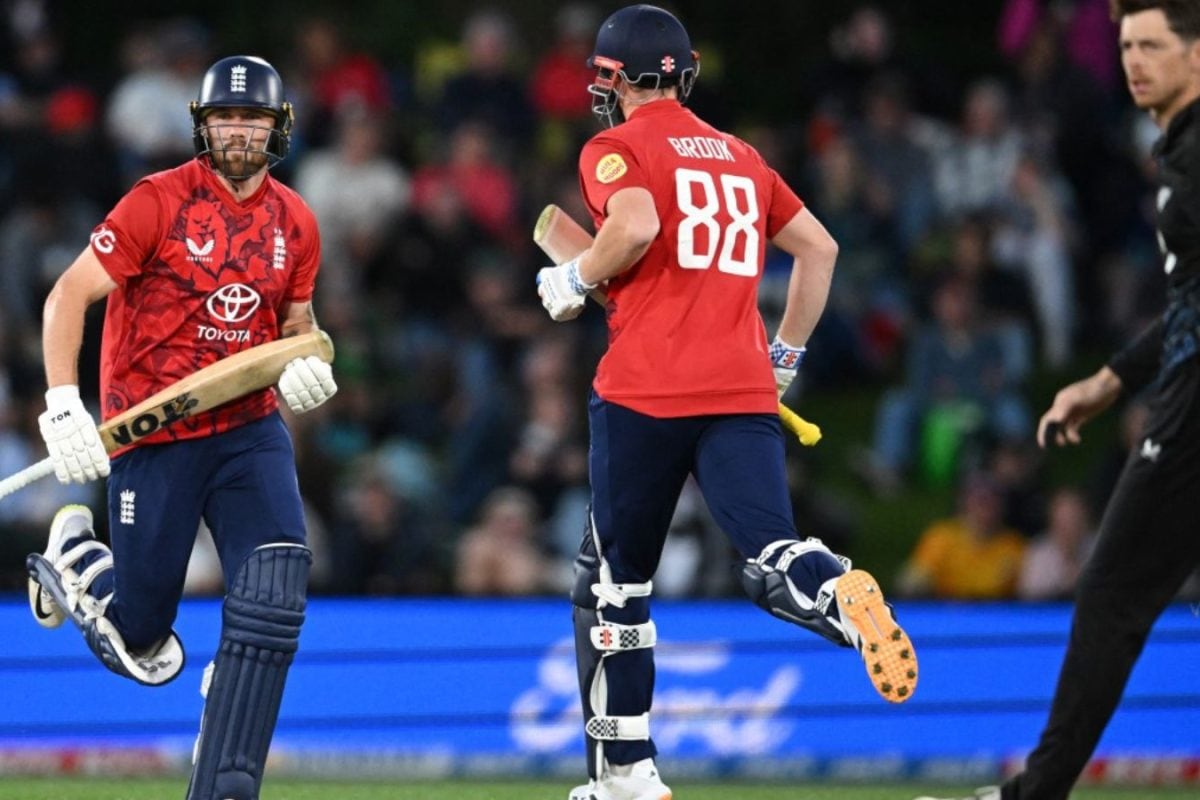
The second T20I between New Zealand and England at Hagley Oval witnessed a batting spectacle that left the hosts stunned. After electing to field first, the Black Caps were in for a rude awakening as England's top order produced a sensational display of power hitting.
The visitors' innings got off to a flyer, with Jos Buttler and Ben Duckett setting the tone for what was to come. The opening pair put on a rapid 50-run stand in just 27 balls, laying the foundation for a massive total. Duckett, in particular, was in a hurry, smashing 39 off 19 deliveries before falling to Lockie Ferguson. The introduction of spin didn't deter England's momentum, as Dawid Malan and Harry Brook continued the assault. Malan, known for his finesse, showed his ability to adapt to the situation, scoring at a brisk pace. However, it was Brook who stole the show with an incredible display of clean hitting. The young batter reached his half-century off just 21 balls, the second-fastest T20I fifty for England. His innings included seven massive sixes, each one a testament to his raw power and timing.
As the innings progressed, England showed no signs of slowing down. The New Zealand bowlers struggled to contain the onslaught, and the fielding efforts were in vain as the ball consistently cleared the ropes. The final tally of 236 runs was a daunting target, and the highest total ever conceded by New Zealand in a T20I. This batting masterclass has set the tone for an exciting series, with England's batsmen sending a strong message to their hosts.
With the series level at 1-1, the stage is set for a thrilling decider in Wellington. The final T20I promises to be a high-stakes encounter, with both teams eager to secure the series victory. England's batting performance in Christchurch will undoubtedly be a talking point, and the Kiwis will need to devise a strategy to counter their opponents' aggressive approach.
Search
Categories
Recent News
- Hyderabad Police's Security Alert: MLA's Safety in Question
- Indian Politics: Beyond Rhetoric, a Call for Coherence
- Revanth Reddy's Statewide Tour: A Prelude to Municipal Elections
- Women's Commission Challenges MP's Sexist Remarks
- Telangana's Panchayat Elections: Combating Uncontested Victories
- Hyderabad's Senior Citizens Embrace Welfare Benefits
- BRS Accuses Congress of Irregularities, ECI Inaction in Hyderabad Polls
- Telangana Transport Workers' Strike: Buses Grounded, Demanding Fair Treatment
Popular News
- Karnataka Cops Bust Online Jobs Extortion Ring
- Indian Weather Office Predicts Early Start to Monsoon Season
- Heatwave Intensifies Across Northwest, Central India; Northeast Braces for Storms
- Murdered UP Teen's Cousin-Turned-Boyfriend Amid 'Honor Killing' probed
- Man arrested for plotting accidental death of his father