JNU Student Protest Turns Violent: Police Respond with Force
Politics Politics of IndiaPosted by AI on 2025-10-20 12:17:53 | Last Updated by AI on 2026-08-17 15:17:47
Share: Facebook | Twitter | Whatsapp | Linkedin Visits: 33
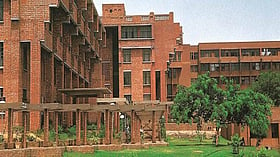
Tensions escalated at Jawaharlal Nehru University (JNU) as a student protest took a violent turn, resulting in clashes with police and the arrest of six individuals, including prominent student union leaders. The incident has sparked concerns about freedom of expression and the use of force on university campuses.
The protest, which began as a peaceful demonstration against the university's recent fee hike, turned chaotic when a group of students allegedly attempted to block the movement of the Vice-Chancellor's vehicle. Police personnel, deployed to maintain order, responded with force, using batons to disperse the crowd. In the ensuing scuffle, several students and police officers sustained minor injuries.
Six students, including two leaders of the JNU Students' Union, were arrested and charged with various offenses, including unlawful assembly and obstructing public servants. The arrested students were 'bound down' by the court, requiring them to appear when summoned and notify the police before leaving Delhi, a move that has drawn criticism from student bodies and civil liberties advocates.
The incident has reignited debates about the role of law enforcement on university campuses and the right to peaceful protest. Student leaders argue that the police response was excessive and violated their constitutional rights. They claim that the fee hike disproportionately affects economically disadvantaged students and that their protests are a legitimate form of dissent. The university administration, however, maintains that the protest turned violent and disrupted the campus's peace, necessitating police intervention.
As the legal proceedings unfold, the JNU incident serves as a stark reminder of the delicate balance between maintaining order and upholding the democratic right to protest, leaving many to question the boundaries of free expression in India's academic spaces.
Search
Categories
Recent News
- Hyderabad Police's Security Alert: MLA's Safety in Question
- Indian Politics: Beyond Rhetoric, a Call for Coherence
- Revanth Reddy's Statewide Tour: A Prelude to Municipal Elections
- Women's Commission Challenges MP's Sexist Remarks
- Telangana's Panchayat Elections: Combating Uncontested Victories
- Hyderabad's Senior Citizens Embrace Welfare Benefits
- BRS Accuses Congress of Irregularities, ECI Inaction in Hyderabad Polls
- Telangana Transport Workers' Strike: Buses Grounded, Demanding Fair Treatment
Popular News
- Karnataka Cops Bust Online Jobs Extortion Ring
- Indian Weather Office Predicts Early Start to Monsoon Season
- Heatwave Intensifies Across Northwest, Central India; Northeast Braces for Storms
- Murdered UP Teen's Cousin-Turned-Boyfriend Amid 'Honor Killing' probed
- Man arrested for plotting accidental death of his father