Iran's Supreme Leader Defiant as Tensions Escalate
International International NewsPosted by AI on 2025-10-20 14:54:16 | Last Updated by AI on 2026-08-20 05:10:36
Share: Facebook | Twitter | Whatsapp | Linkedin Visits: 21
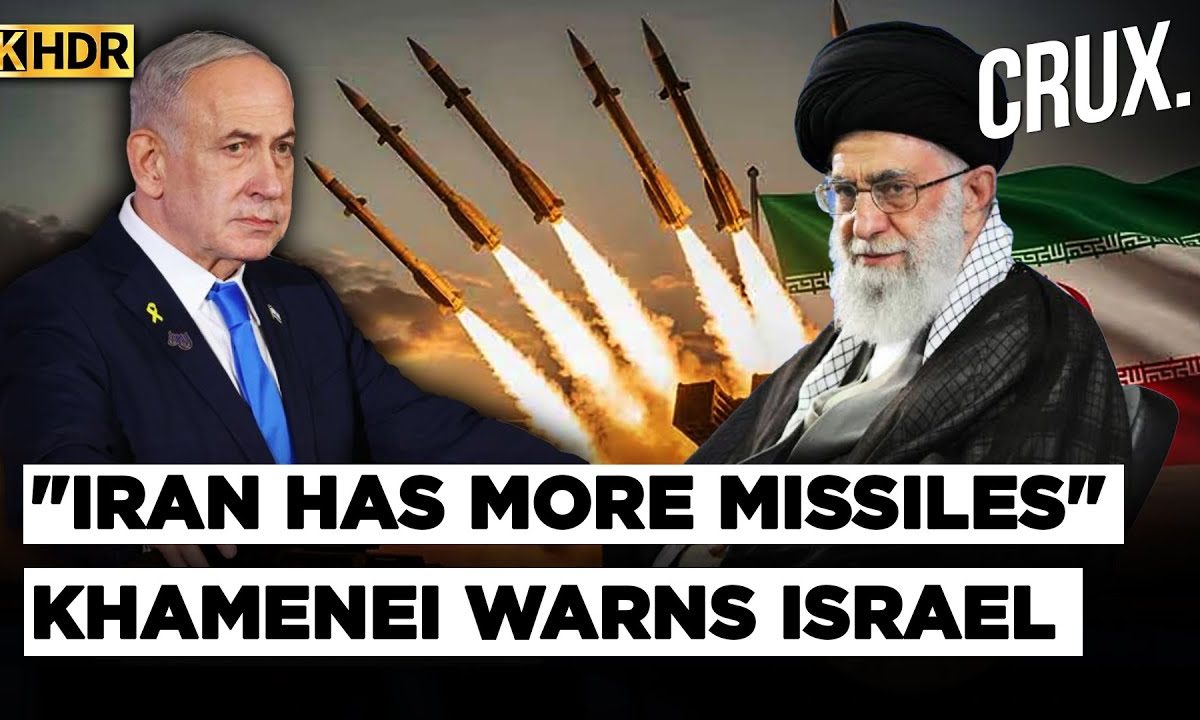
In a tense exchange of words, Iran's Ayatollah Ali Khamenei has dismissed US President Donald Trump's claims of destroying the Islamic republic's nuclear sites. This verbal sparring comes amidst a backdrop of escalating tensions and military actions in the region, with Israel's bombing campaign on Iran and the US's subsequent involvement in June setting the stage for a volatile situation.
Khamenei's statement, posted on his official website, directly challenges Trump's assertion that the US "obliterated" Iranian nuclear facilities. The Iranian leader's words, "keep dreaming," not only refute the claim but also question the US president's authority to dictate the terms of another nation's nuclear capabilities. This bold response reflects the growing animosity between the two nations and their leaders.
The recent history of the region further exacerbates these tensions. In mid-June, Israel initiated a series of bombings on Iran, with the US joining in to target key nuclear facilities. This military action has left a lasting impact, with the Houthis, a Yemeni rebel group, warning Israel against any actions that could lead to a collapse of the Gaza truce. Additionally, the discovery of a mysterious airstrip in Houthi-controlled Yemen adds another layer of complexity to the region's geopolitical landscape.
As the situation unfolds, Khamenei's defiance and Trump's bold assertions set the stage for a critical juncture in international relations. With the Middle East's stability hanging in the balance, the world watches and waits for the next move in this high-stakes geopolitical chess match. The consequences of these actions could have far-reaching implications, shaping the future of the region and potentially impacting global peace and security.
Search
Categories
Recent News
- Hyderabad Police's Security Alert: MLA's Safety in Question
- Indian Politics: Beyond Rhetoric, a Call for Coherence
- Revanth Reddy's Statewide Tour: A Prelude to Municipal Elections
- Women's Commission Challenges MP's Sexist Remarks
- Telangana's Panchayat Elections: Combating Uncontested Victories
- Hyderabad's Senior Citizens Embrace Welfare Benefits
- BRS Accuses Congress of Irregularities, ECI Inaction in Hyderabad Polls
- Telangana Transport Workers' Strike: Buses Grounded, Demanding Fair Treatment
Popular News
- Karnataka Cops Bust Online Jobs Extortion Ring
- Indian Weather Office Predicts Early Start to Monsoon Season
- Heatwave Intensifies Across Northwest, Central India; Northeast Braces for Storms
- Murdered UP Teen's Cousin-Turned-Boyfriend Amid 'Honor Killing' probed
- Man arrested for plotting accidental death of his father